PO Box 9021, Wilmington, DE 19809, USA
E-mail: font@focusonnature.com
Phone: Toll-free in USA 1-800-721-9986
 or 302/529-1876


Dragonflies

and
Damselflies
in
Arizona
and nearby
Sonora, Mexico

 
Including those seen during 
 Focus On Nature Tours


List compiled by Armas Hill


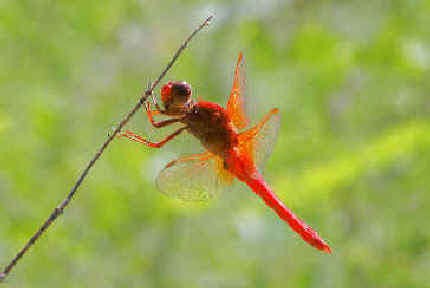
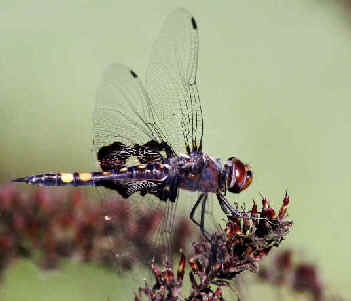
Photo at upper right: A NEON SKIMMER 
photographed during a FONT Arizona Tour in 2008
(photo by Doris Potter)
 

Codes:

AZ:  occurs in Arizona
SO: occurs in Sonora, Mexico 

Numbers noted as (D:xx) refer to plates with photos in "Dragonflies through Binoculars - A Field Guide to Dragonflies of North America", by Sidney Dunkle  

(ph): species with a photo in the FONT website


A fine book, as an introduction and beyond, in relation to the dragonflies in Arizona and Sonora is "Dragonflies & Damselflies of the Southwest" by Robert Behrstock, published in 2008. 

Other good books include "Common Dragonflies of the Southwest, A Beginner's Pocket Guide" by Kathy Biggs, updated in 2010, and the most-thorough of books relating to western dragonflies, "Dragonflies & Damselflies of the West", by Dennis Paulson, 2009.    


Links to Grouping in this List:

DRAGONFLIES     Darners     Clubtails     Spiketails     Cruisers     Skimmers

DAMSELFLIES   
  Broad-winged Damsels     Spreadwings     Shadowdamsels     Threadtails  
  
Pond Damsels     


Other Links:


Upcoming FONT Birding & Nature Tours in North America, including Arizona

FONT Past Tour Highlights

A List & Photo Gallery of Arizona Birds, in 2 parts

A List & Photo Gallery of Arizona Mammals 

Lists & Photo Galleries of Arizona Butterflies & Grasshoppers

A List & Photo Gallery of Arizona Amphibians & Reptiles


Dragonflies:

          Darners


The following genus ANAX are the GREEN DARNERS:
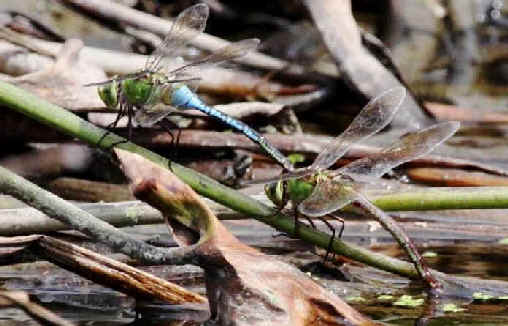
  1. Common Green Darner ______  AZ  SO  (D:1)  Flies in AZ: mid-Feb to late-Dec 
    Anax junius

  2. Giant Darner  ______  AZ  SO  (D:1)  Flies in AZ: early-Apr to mid-Oct
    Anax walsinghami


    The following genus CORYPHAESCHNA are the PILOT DARNERS:  

  3. Malachite Darner  ______  (D:2)  Flies in AZ: early-Jul to early-Nov
    Coryphaeschna lutelpennis


    The following genera AESHNA & RHIONAESCHNA are the MOSAIC DARNERS

  4. Persephone's Darner  ______  AZ  (D:4)    Flies in AZ: late-July to mid-Nov  
    Aeshna persephone

  5. Blue-eyed Darner  ______  AZ  SO  (D:5)  Flies in AZ: late-Feb to mid-Nov
    Aeshna
    (now Rhionaeschna) multicolor

  6. Paddle-tailed Darner  ______  Flies in AZ: early-Jul to early-Oct
    Aeshna
    (now Rhionaeschna) palmata


  7. Arroyo Darner  ______  (D:5)   Flies in AZ: mid-May to late-Oct 
    Aeshna (now Rhionaeschna) dugesi  

  8. California Darner  ______ (D:5) 
    Aeshna californica

  9. Variable Darner  ______  (D:5)   Flies in AZ: late-Jun to early-Oct
    Aeshna interrupta

  10. Turquoise-tipped Darner  ______  (D:6)  Flies in AZ: mid-Apr to late-Oct
    Aeshna
    (now Rhionaeschna) psilus


    The following genus OPLONAESCHNA contains just 2 species, one of which is the RIFLE DARNER 

  11. Rifle Darner  ______  (D:6)  Flies in AZ: late-May to mid-Oct 
    Oplonaeschna armata


    Clubtails


    The following genus STYLURUS are the HANGING CLUBTAILS: 

     
  12. Brimstone Clubtail  ______  (D:12)  Flies in AZ: lat-Jun to mid-Oct
    Stylurus intricatus

  13. Russet-tipped Clubtail  ______  (D:12)  Flies in AZ: late-Jun to mid-Nov
    Stylurus plagiatus


    The following genus PROGOMPHUS are the SANDRAGONS:

  14. Gray Sanddragon  ______  AZ  SO  (D:15)  Flies in AZ: early-Apr to mid-Nov
    Progomphus obscurus


    The following genus OPHIOGOMPHUS are the SNAKETAILS:

  15. Arizona Snaketail  ______  AZ  (D:16)  Flies in AZ: mid-Jun to early-Oct
    Ophiogomphus arizonicus

  16. Pale Snaketail  ______  Flies in AZ: early to late-Aug
    Ophiogomphus severus


    The following genus ERPETOGOMPHUS are the RINGTAILS:

  17. Yellow-legged Ringtail  ______  SO  (D:18)  (occurred in Arizona in the past)
    Erpetogomphus crotalinus

  18. White-belted Ringtail  ______  AZ  SO  (D:18)  Flies in AZ: mid-Jun to mid-Nov
    Erpetogomphus compositus

  19. Serpent Ringtail  ______  (D:18)  Flies in AZ: mid-May to mid-Oct 
    Erpetogomphus lampropeltis


    Spiketail
  20. Apache Spiketail  ______  AZ  (D:20)  Flies in AZ: early-Apr to late-Oct 
    Cordulegaster diadema


    Cruiser


    The following genus MACROMIA are the RIVER CRUISERS:

  21. Western River Cruiser  ______  AZ  SO  (D:21)  Flies in AZ: early-Jun to early-Aug
    Macromia magnifica


    Skimmers


    The following genus LIBELLULA are the KING SKIMMERS. PLATHEMIS are WHITETAILS. 

     
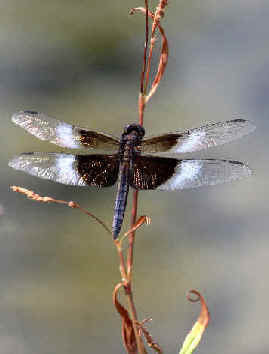
  22. Widow Skimmer  ______  AZ  SO  (D:28)  Flies in AZ: early-May to early-Nov
    Libellula luctuosa

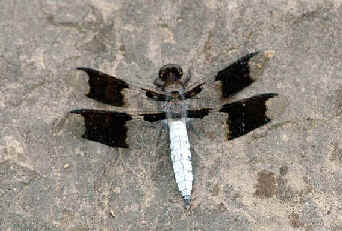
  23. Common Whitetail  (ph)  ______  AZ  SO  (D:28)  Flies in AZ: late-Apr to early-Nov
    Libellula
    (or Plathemis) lydia


    Common Whitetail
    (photo by Howard Eskin)

  24. Desert Whitetail  ______  AZ  SO  (D:28)  Flies in AZ: early-Apr to mid-Oct
    Libellula
    (or Plathemis) subornata

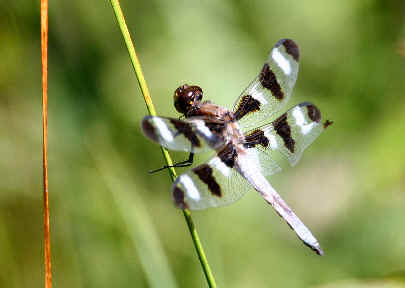
  25. Twelve-spotted Skimmer  (ph)  ______  (D:29)  (occurs in northern Arizona)  Flies in AZ: late-Jun to early-Sep 
    Libellula pulchella

    The Twelve-spotted Skimmer has also been called the "Ten Spot" for the number of white spots in the wings of the male, rather than the number of brown spots. 


    Twelve-spotted Skimmer
    (photo by Kate Somerville) 
     
  26. Eight-spotted Skimmer  ______  Flies in AZ: mid-Jun to late-Aug
    Libella forensis

  27. Four-spotted Skimmer ______  AZ   (D:29)  Flies in AZ: early-Jun to early-Aug 
    Libellula quadrimaculata

  28. Hoary Skimmer ______  (D:29)  Flies in AZ: mid-Jun to late-Aug
    Libellula nodisticta

  29. Comanche Skimmer  ______  AZ  SO  (D:30)  Flies in AZ: late-May to early-Nov
    Libellula comanche

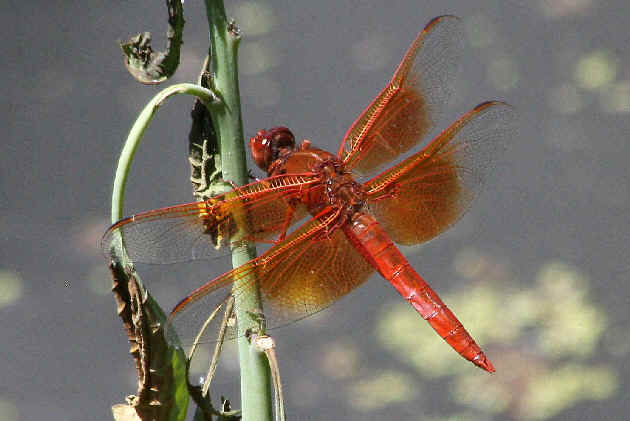
  30. Flame Skimmer  (ph)  ______  AZ  SO  (D:32)  Flies in AZ: mid-Mar to mid-Nov
    Libellula saturata


    Flame Skimmer
    (photo by Doris Potter)

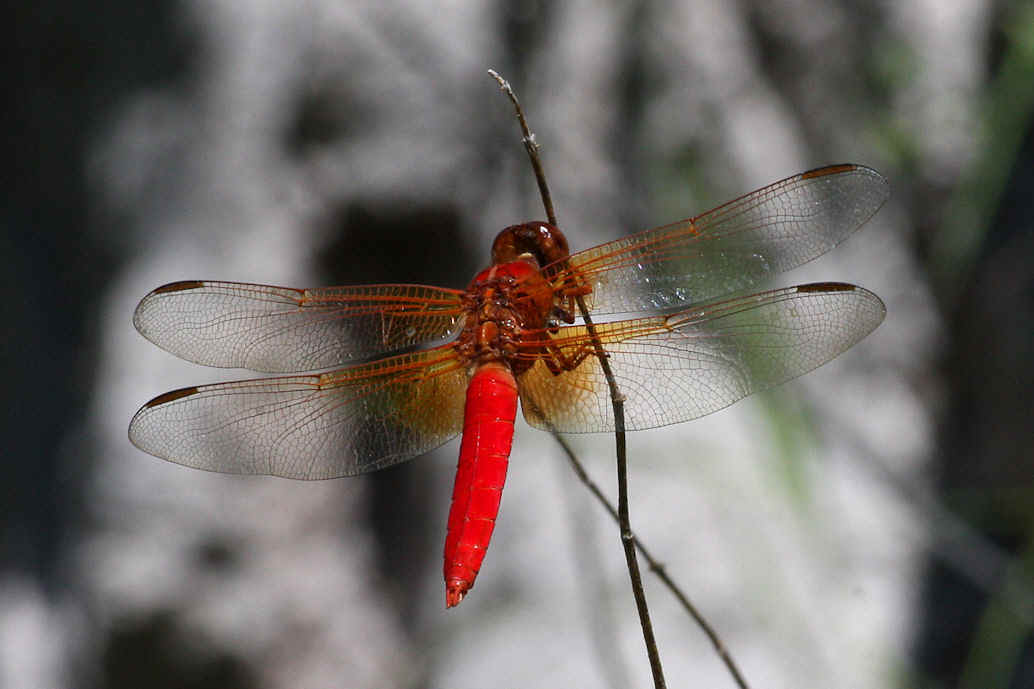
  31. Neon Skimmer  (ph)  ______  AZ  SO  (D:32)  Flies in AZ: early-Jun to early-Nov
    Libellula croceipennis


    Neon Skimmer
    (photo by Doris Potter)

  32. Bleached Skimmer  ______  (D:32)  Flies in AZ: late-Jun to early-Aug
    Libellula composita


    The following genus ORTHEMIS are the TROPICAL KING SKIMMERS: 

  33. Carmine Skimmer  ______  Flies in AZ: late-Aug to early-Nov
    Orthemis discolor 

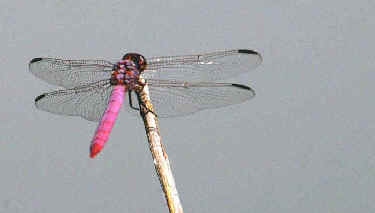
  34. Roseate Skimmer  (ph)  ______  AZ  SO  (D:33)  Flies in AZ: all year
    Orthemis ferruginea


    Roseate Skimmer
    (photo by Howard Eskin)


    The following monotypic genus PSEUDOLEON is the FILIGREE SKIMMER: 

  35. Filigree Skimmer  ______  AZ  SO  (D:33)  Flies in AZ: mid-Feb to mid-Nov
    Pseudoleon superbus


    The following genus PALTOTHEMIS are the ROCK SKIMMERS:

  36. Red Rock Skimmer  ______  AZ  SO  (D:34)  Flies in AZ: late-Mar to mid-Nov
    Paltothemis lineatipes


    The following genus SYMPETRUM are the MEADOWHAWKS: 

  37. Cardinal Meadowhawk  ______  (D:34)  Flies in AZ: mid-Apr to mid-Nov
    Sympetrum illotum

  38. Western Meadowhawk  ______  Flies in AZ: Mid-Jun to early-Nov
    Sympetrum occidentalis

  39. Variagated Meadowhawk  ______  (D:35)
    Sympetrum corruptum

  40. Striped Meadowhawk    ______  (D:35)  Flies in AZ: early-Jun to early-Oct 
    Sympetrum pallipes

  41. Yellow-legged Meadowhawk  ______  (D:35)
    Sympetrum vicinum

  42. Spot-winged Meadowhawk  ______  AZ  SO  (D:35)  Flies in AZ: early-Aug to late-Nov
    Sympetrum signiferum

  43. Band-winged Meadowhawk  ______  (D:36)  (in far-northern Arizona)
    Sympetrum semicinctum


    The following genus ERYTHRODIPLAX are the DRAGONLETS:

  44. Black-winged Dragonlet  ______  AZ  SO  (D:36)  (stray to Arizona & Texas from Mexico)  Flies in AZ: late-Sep to mid-Oct
    Erythrodiplax funerea

  45. Plateau Dragonlet  ______  AZ  SO  (D:37)  Flies in AZ: mid-March to mid-Nov 
    Erythrodiplax connata

  46. Seaside Dragonlet  ______  SO   (in salt marshes along both coasts of the Gulf of California) 
    Erythrodiplax berenice


    The following genus PERITHEMIS are the AMBERWINGS:  

  47. Mexican Amberwing  ______  AZ  SO  (D:38)  Flies in AZ: early-Apr to mid-Nov
    Perithemis intensa

  48. Slough Amberwing  ______  (D:38)  Flies in AZ: mid-July to early-Oct
    Perithemis domita

  49. Eastern Amberwing  ______  Flies in AZ: late-Mar to late-Oct
    Perithemis tenera


    The following genus ERYTHEMIS are the PONDHAWKS:


  50. Eastern Pondhawk  (ph)  ______ (D:39)  
    Erythemis simplicicollis


    Eastern Pondhawk, a green female
    (photo by Howard Eskin)

  51. Western Pondhawk  ______  AZ  SO  (D:39)  Flies in AZ: mid-Feb to mid-Nov
    Erythemis collocata

  52. Pin-tailed Pondhawk  ______  SO  (recorded rarely in AZ, as of 2008 only once)  Flies in AZ: early-Sep  Flies perhaps all-year in SO (Sonora).
    Erythemis plebeja

  53. Great Pondhawk  ______  AZ  SO  (D:39)  Flies in AZ: early-Aug to mid-Oct  Flies perhaps all-year in SO (Sonora).
    Erythemis vesiculosa


    The following monotypic genus is the BLUE DASHER: 

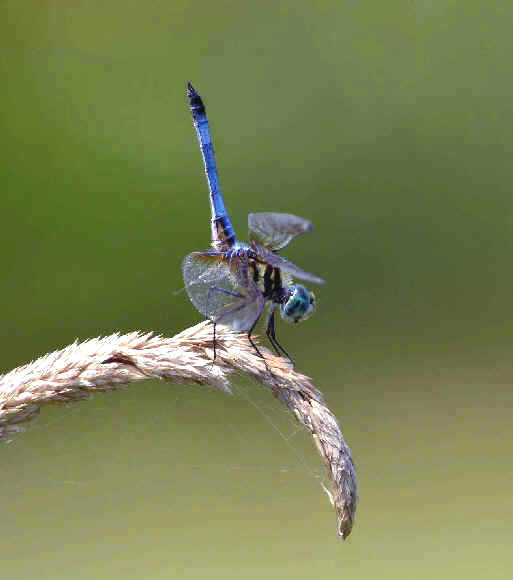
  54. Blue Dasher ______  AZ  SO  (D:39)  Flies in AZ: early-Apr to mid-Nov
    Pachydiplax longipennis


    The following genus MICRATHYRIA are the THORNBUSH:

  55. Thornbush Dasher  ______  Flies in AZ: mid to late-Sep
    Micrathyria hagenii


    The following genus TRAMEA are the SADDLEBAGS:


  56. Black Saddlebags ______  AZ  SO  (D:40)  Flies in AZ: late-Mar to mid-Nov
    Tramea lacerata

  57. Red Saddlebags  ______  AZ  SO  (D:41)  Flies in AZ: early Jan to mid-Nov
    Tramea anusta

  58. Antillean Saddlebags  ______  Flies in AZ: late-Oct to mid-Nov
    Tramea insularis


    The following genus PANTALA are the RAINPOOL GLIDERS:


  59. Wandering Glider  ______  AZ  SO  (D:40)  Flies in AZ: mid-Apr to late-Nov
    Pantala flavescens

  60. Spot-winged Glider  ______  AZ  SO  (D:40)  Flies in AZ: mid-Mar to late-Oct
    Pantala hymenaea


    The following genus MACRODIPLAX are the MARL PENNANTS:

  61. Marl Pennant  ______  (D:42)  Flies in AZ: mid-Jun to mid-Oct 
    Macrodiplax balteata


    The following genus BRACHYMESIA are the TROPICAL PENNANTS:

  62. Red-tailed Pennant  ______  AZ  SO  (D:42)  Flies in AZ: mid-Jun to mid-Nov
    Brachymesia furcata

  63. Four-spotted Pennant  ______  Flies in AZ: mid-July to early-Oct
    Brachymesia gravida 


    The following genus CELITHEMIS are the SMALL PENNANTS:

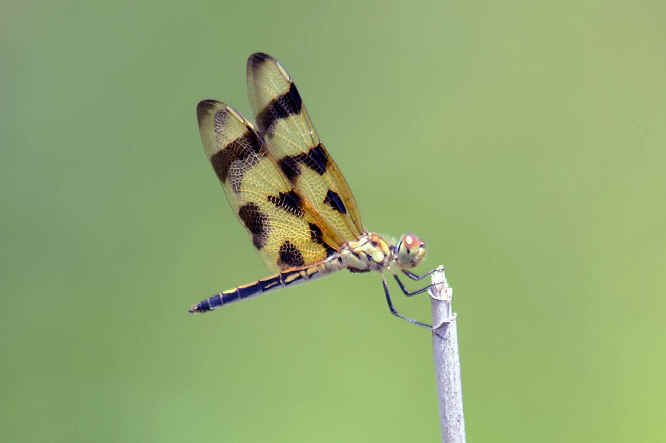
  64. Halloween Pennant  (ph)   ______  AZ  Flies in AZ: mid-Sept
    Celithemis eponina

    The Halloween Pennant was first recorded in southeastern Arizona in 2006.


    Halloween Pennant
    (photo by Howard Eskin)


    The following genus DYTHEMIS are the SETWINGS:

  65. Checkered Setwing  ______  (D:46)  Flies in AZ: early-May to early-Nov
    Dythemis fugax

  66. Swift Setwing  ______  (D:46)  Flies in AZ: early-May to mid-Oct
    Dythemis velox

  67. Black Setwing  ______  AZ  (D:46)  Flies in AZ: late-Apr to mid-Nov 
    Dythemis nigrescens

  68. Mayan Setwing  ______  AZ  SO  Flies in AZ: late-Jul to late-Sep
    Dythemis maya


    The following genus BRECHMORHOGA are the CLUBSKIMERS:

  69. Pale-faced Clubskimmer  ______  AZ  SO  (D:46)  Flies in AZ: mid-Apr to mid-Nov
    Brechmorhoga mendax

  70. Masked Clubskimmer  ______  (D:46)  Flies in AZ: late-Jun to mid-Aug
    Brechmorhoga petinax


    The following genus MACROTHEMIS are the SYLPHS:

  71. Straw-colored Sylph  ______  (D:47)  Flies in AZ: late-Jul to late-Oct
    Macrothemis inacuta


    DAMSELFLIES


    Broad-winged Damsels


    The following genus HETAERINA are the RUBYSPOTS:  

  72. American Rubyspot  ______  AZ  SO
    Hetaerina americana

  73. Canyon Rubyspot  ______  AZ  SO
    Hetaerina vulnerata


    Spreadwings 


    The following genus ARCHILESTES are the STREAM SPREADWINGS: 

  74. California Spreadwing  ______
    Archilestes californica

  75. Great Spreadwing  ______  AZ  SO
    Archilestes grandis


    The following genus LESTES are the POND SPREADWINGS:  

  76. Plateau Spreadwing  ______  AZ  SO
    Lestes alacer

  77. Spotted Spreadwing  ______
    Lestes congener

  78. Northern Spreadwing  ______
    Lestes disjunctus

  79. Emerald Spreadwing  ______  AZ
    Lestes dryas


    Shadowdamsels

  80. Desert Shadowdamsel  ______  AZ  SO
    Palaemnema domina


    Threadtails

  81. Orange-striped Thorntail  ______  SO
    Protoneura cara


    Pond Damsels


    The following genus AMPHIAGRION are the RED DAMSELS:
     
  82. Western Red Damsel  ______
    Amphiagrion abbreviatum


    The genus APANISAGRION: 

  83. Black-and-white Damsel  ______  AZ  SO
    Apanisagrion lais


    The following genus ARGIA are the DANCERS:

  84. California Dancer  ______
    Argia agrioides

  85. Palute Dancer  ______
    Argia alberta

  86. Blue-fronted Dancer  ______
    Argia apicalis

  87. Yaqui Dancer  ______
    Argia caricooki

  88. Spine-tipped Dancer  ______
    Argia extranea

  89. Violet Dancer  ______
    Argia fumipennis violacea

  90. Lavender Dancer  ______
    Argia hinei

  91. Kiowa Dancer  ______
    Argia immunda

  92. Sierra Madre Dancer  ______
    Argia lacrimans

  93. Sooty Dancer  ______  AZ  SO
    Argia lugens

  94. Powdered Dancer  ______
    Argia moesta

  95. Apache Dancer  ______
    Argia munda

  96. Aztec Dancer  ______
    Argia najuana

  97. Fiery-eyed Dancer  ______  AZ  SO
    Argia oenea

  98. Amethyst Dancer  ______
    Argia pallens

  99. Pima Dancer  ______
    Argia pima

  100. Springwater Dancer  ______  AZ  SO
    Argia plana

  101. Sabino Dancer  ______  AZ  SO
    Argia sabino

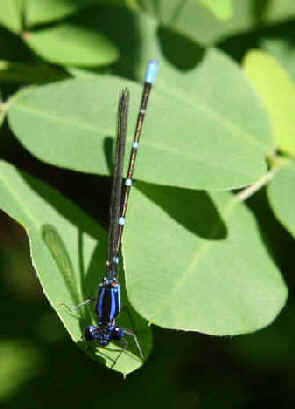
  102. Blue-ringed Dancer  (ph)  ______  AZ  SO
    Argia sedula 


    Blue-ringed Dancer
    (photo by Kate Somerville)

  103. Tarascan Dancer  ______
    Argia tarascana

  104. Tezpi Dancer  ______
    Argia tezpi

  105. Tonto Dancer  ______
    Argia tonto

  106. Dusky Dancer  ______  AZ  SO
    Argia translata

  107. Vivid Dancer  ______  AZ
    Argia vivida


    The genus COENAGRION:

  108. Taiga Bluet  ______
    Coenagrion resolutum


    The following genus ENALLAGMA are the BLUETS:

  109. Northern Bluet  ______
    Enallagma annexum

  110. Double-striped Bluet  ______  AZ
    Enallagma basidens

  111. Boreal Bluet  ______
    Enallagma boreale

  112. Tule Bluet  ______  AZ
    Enallagma carunculatum

  113. Familiar Bluet  ______  AZ  SO
    Enallagma civile

  114. Baja Bluet  ______
    Enallagma eiseni

  115. Arroyo Bluet  ______  AZ  SO
    Enallagma praevarum

  116. Claw-tipped Bluet  ______
    Enallagma semicirculare


    The following monotypic genus HESPERAGRION is the PAINTED DAMSEL:

  117. Painted Damsel  ______  AZ  SO
    Hesperagrion heterdoxum


    The following genus ISCHNURA are the FORKTAILS:

  118. Desert Forktail  ______  AZ  SO
    Ischnura barberi

  119. Pacific Forktail  ______  AZ  SO
    Ischnura cervula

  120. Plains Forktail  ______  AZ  SO
    Ischnura damula

  121. Mexican Forktail  ______  AZ  SO
    Ischnura demorsa

  122. Black-fronted Forktail  ______
    Ischnura denticollis

  123. Citrine Forktail  ______  AZ  SO
    Ischnura hastata

  124. Western Forktail  ______  AZ
    Ischnura perparva

  125. Rambur's Forktail  ______  AZ
    Ischnura ramburii


    The following genus TELEBASIS are the FORKTAILS: 

  126. Desert Forktail  ______  AZ  SO
    Telebasis salva  


    To Top of Page