
E-mail: font@focusonnature.com
Phone: Toll-free in USA 1-800-721-9986
or 302/529-1876; Fax: 302/529-1085
|
PO
Box 9021, Wilmington, DE 19809, USA E-mail: font@focusonnature.com Phone: Toll-free in USA 1-800-721-9986 or 302/529-1876; Fax: 302/529-1085 |
A Birding & Nature Tour
in SOUTHERN
ARIZONA
At some great places
in the mountains and the desert
During a great time of year for birds,
with breeders and some migrants
With numbers of Hummingbirds,
Flycatchers, Warblers,
Sparrows,
Hawks and Owls,
and a Trogon.
August 27 - September
4, 2009
(tour: FON/AZ-1, '09)
Tour
to be led by Armas Hill.
Links:
From
our Previous Tours, Lists of:
Birds
(with
photos)
Mammals
& Other Wildlife
Butterflies of Arizona
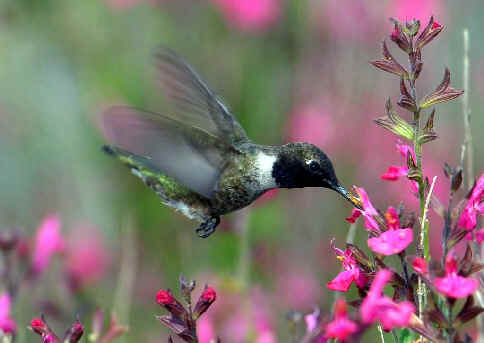
Black-chinned Hummingbird
(photo by Howard Eskin)
Itinerary:
Thu, Aug. 27: Arrival mid-day in Tucson. Afternoon birding on Mt. Lemon. Possibilities include: Zone-tailed Hawk, Acorn Woodpecker, Pygmy Nuthatch, Mountain Chickadee, Red-faced, Olive, and Grace's Warblers. Overnight in the Tucson area.
Fri,
Aug. 28: Early morning desert birding, near
Tucson, among the
giant Saguaro Cactus for species such as: Curve-billed Thrasher,
Gambel's Quail, Black-tailed Gnatcatcher, Gila and Ladder-backed
Woodpeckers, Verdin, and Cactus Wren. Followed by a visit to the
famous Sonoran Desert Museum, where the nature of the desert is presented
in natural settings, and there are good photographic opportunities.
Next, our Arizona journey continues as we head to the Madera Canyon,
traditionally a good birding spot in the Santa Rita Mountains. Overnight in the
area of the Madera Canyon.
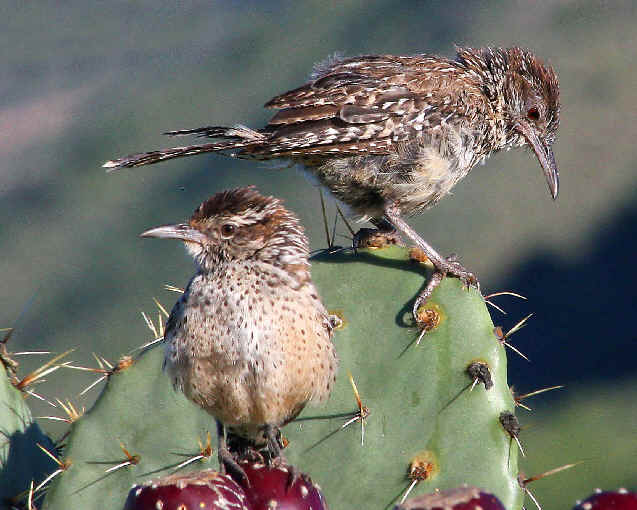
Cactus Wrens, during the FONT
Aug/Sep 2008 Tour in Arizona
(photo by Doris Potter)
Sat,
Aug. 29: The day will start with birding in the various habitats of Madera Canyon. Hummingbirds, woodpeckers,
jays, and tanagers are among the possibilities. In the oak forest,
Elegant Trogon, Greater Pewee, and Arizona Woodpecker occur. In addition to
the more common hummingbirds, Berylline
Hummingbird sometimes visits. At the nearby Florida Wash, there
can be birds such
as: Bell's Vireo, Lucy's Warbler, Crissal Thrasher, Rufous-winged Sparrow,
Cassin's and Botteri's Sparrow, Varied Bunting, and Pyrrhuloxia.
Travel, with birding, later in the day, between Madera Canyon to
Patagonia. Stops can be at: Arivaca Cienega for Gray Hawk and Vermilion
Flycatcher, and in the Nogales area for Black-bellied Whistling-Duck, shorebirds, and
waterbirds of various sorts. Birding along the Sonoita Creek can be good for
hummingbirds: maybe Violet-crowned, Costa's, and Rufous. Overnight in the
"Old West town" of Patagonia.
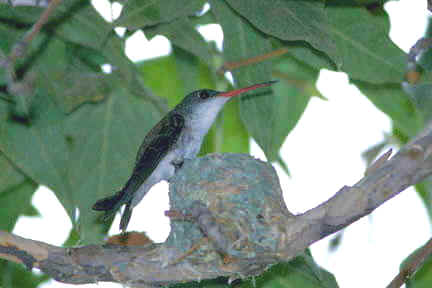
Violet-crowned
Hummingbird (at nest),
photographed during our July 2001 Arizona tour
Sun,
Aug. 30: In the morning, we'll go to the Kino Springs and the renowned (for birding) Patagonia rest-stop
for such
specialties as: Rose-throated Becard, Thick-billed Kingbird, Tropical and
Cassin's Kingbirds, and more. Rarities (for the US) there have included Yellow
Grosbeak and Kiskadee.
At the Sonoita Creek Sanctuary there can be: Green Kingfisher, Gray Hawk, Gila
Woodpecker, and Northern Beardless Tyrannulet. Overnight, again, in Patagonia.
Mon,
Aug. 31: Much of this day
at the Ramsey and Miller Canyons, where there can be: Golden Eagle, Sulphur-bellied
Flycatcher, and Black-throated Gray Warbler among the birds. Among the
mammals:
Coatimundi.
At hummingbird feeders there can be as many as 11 species of hummingbirds. Quite
likely: Magnificent and Blue-throated. Possible: White-eared and
Berylline.
Other birds, this day, could include: Bendire's Thrasher and Abert's
Towhee.
Overnight in the Sierra Vista area.
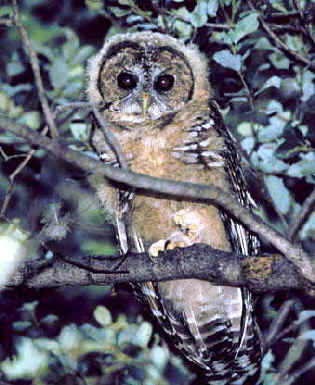
A young
"Mexican" Spotted Owl,
photographed during our July 2001 Arizona tour.
Tue,
Sep. 1: Travel to
Portal,
with birding enroute. Along the San Pedro River, there can be: Abert's Towhee,
Scott's Oriole. Also this day, a visit to a feeder that's frequented by a
Lucifer Hummingbird. Greater Roadrunner, Scaled Quail, and Lark Sparrow should
be seen during the day. Overnight in Portal, at the entrance to Cave Creek
Canyon.
Wed, Sep 2: Much of the day birding in the highlands, but before that, some
birding in the lowlands where the Crissal Thrasher will be sought. In the
highlands of the Chiricahua Mountains. Elegant Trogon, Mexican Chickadee,
Northern Hepatic-Tanager, Virginia's Warbler, Olive Warbler, Painted Redstart,
and Red-faced Warbler all occur. All amid spectacular scenery. Some of the best
birding in the U.S., in one of the most beautiful settings. If we're fortunate,
after dark, we could hear (and maybe see) the Flammulated Owl. If we're
fortunate, earlier during the day, we may find the Montezuma Quail. Overnight,
again, at Portal.
Thu,
Sep. 3: Another morning of
birding along Paradise Road where there should be: Black-chinned Sparrow,
Western Scrub-Jay, and Juniper Titmouse.
Later in the day, along the way to Tucson, these birds can be found around Wilcox:
Eared Grebe, White-faced Ibis, Cinnamon Teal, Long-billed Curlew,
Black Tern, and an assortment of shorebirds, waterfowl, herons, and others. Overnight
in Tucson.
Fri, Sep. 4: Departure from Tucson.

The Black-bellied Whistling Duck
occurs near Nogales in far-southern Arizona
(Photo by Howard Eskin)

Tour Price: $1,995 per person (based upon double occupancy).
Single supplement: $295.
Includes: All accommodations and transportation. Services of an expert birding leader. Breakfasts & lunches Aug. 28–Sep. 3.
Does not include: Transportation to/from Tucson, AZ., dinners, items of a personal nature, gratuities.
A deposit of $400 is required to register for this tour.
SOME
OF THE BIRDS & ANIMALS
OF ARIZONA
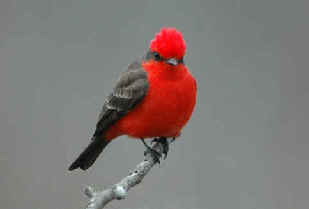
A bright male Vermilion Flycatcher
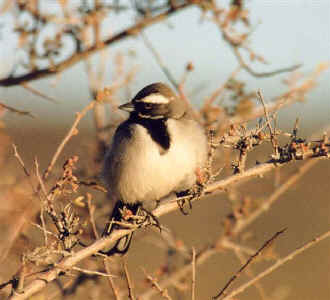
Black-throated
Sparrow
(that's also been known as the Desert Sparrow)
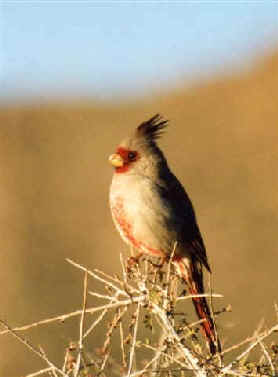
Pyrrhuloxia
(a cousin of the Cardinal)
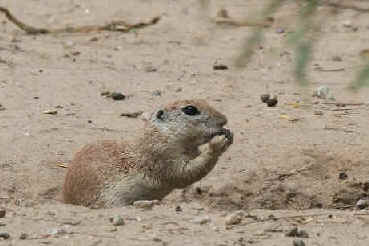
A small mammal, the Round-tailed Ground Squirrel
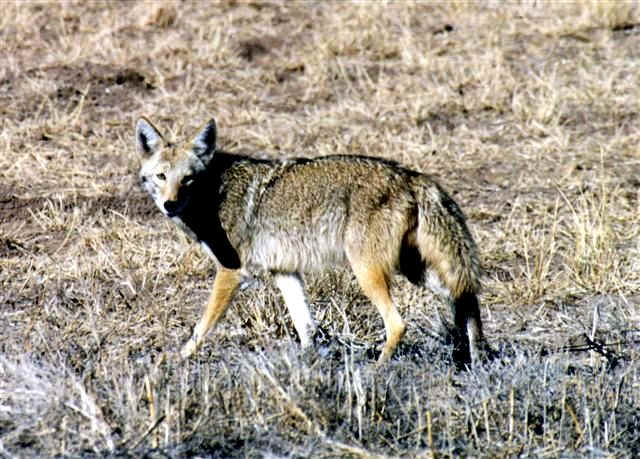
Larger, the Coyote