A List of 

Butterflies 
in TEXAS


Compiled by Armas Hill


IN TEXAS, MORE BUTTERFLY SPECIES HAVE BEEN RECORDED THAN IN ANY OTHER U.S. STATE. 
432 species are in the following list.  


Codes relating to illustrations in various books:
 
Numbers noted as (PE:xx) refer to plates in the "Peterson Field Guide to Eastern Butterflies", by Paul Opler & Vichai Malikul, 1998 edition. Those noted as (PEp:xx) refer to a page with a photograph.

Numbers noted as (PW:xx) refer to plates in the "Peterson Field Guide to Western Butterflies", by Paul Opler & illustrated by Amy Bartlett Wright, 1999 edition. Those noted as (PWp:xx) refer to a page with a photograph.

Numbers noted as (K:xx) refer to pages in the "Kaufman Focus Guide to Butterflies of North America", by Jim Brock & Kenn Kaufman

Numbers noted as (RG:xx) refer to pages with photos in "Butterflies of the Lower Rio Grande Valley", by Roland Wauer.
 

Another good book relating to Butterflies in Texas:

"Butterflies of Houston & Southeast Texas", by John & Gloria Tveten.

Additional Codes:

(i/E): introduced from Europe

(In LRGV:):  in the Lower Rio Grande Valley  


THOSE BUTTERFLIES NOTED WITH AN (*) SEEN DURING FONT TEXAS TOURS 


Links:

Upcoming Texas Tour Itineraries

List of Texas Birds

Lists of Texas Mammals

List of Texas Reptiles & Amphibians

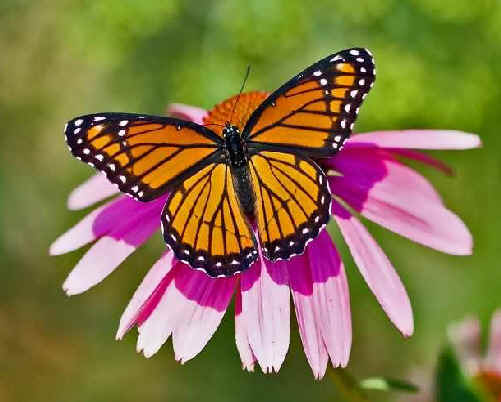
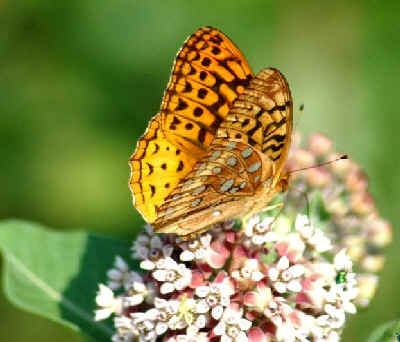
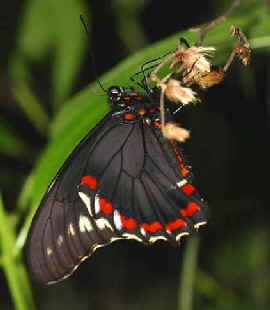
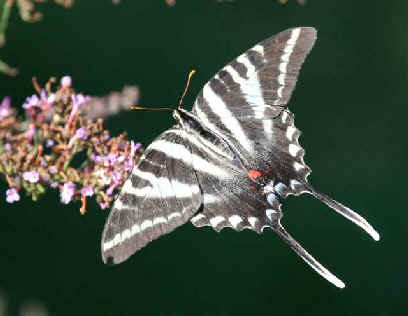
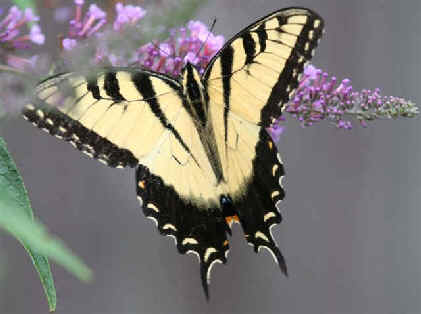
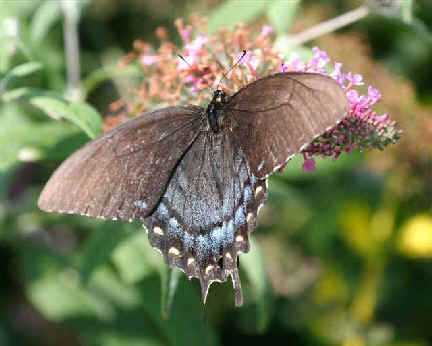
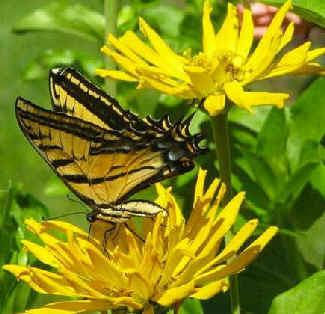
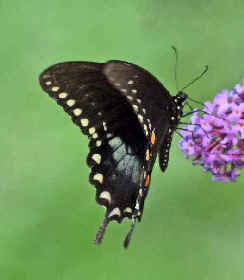
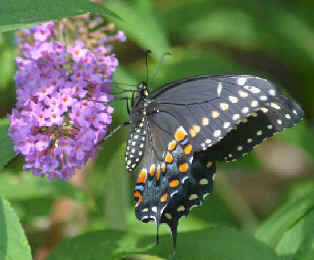
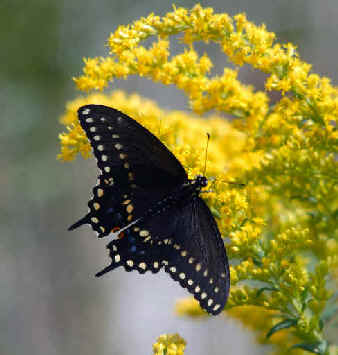
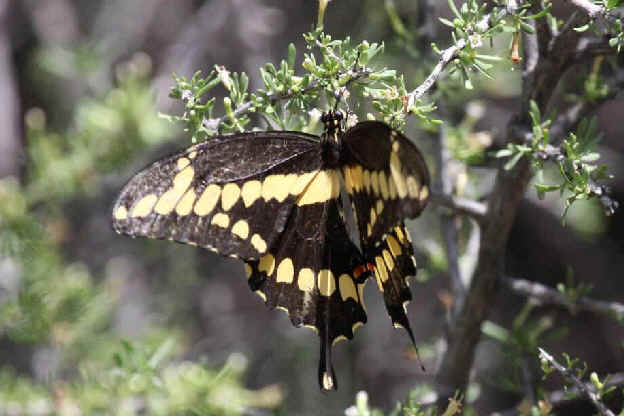
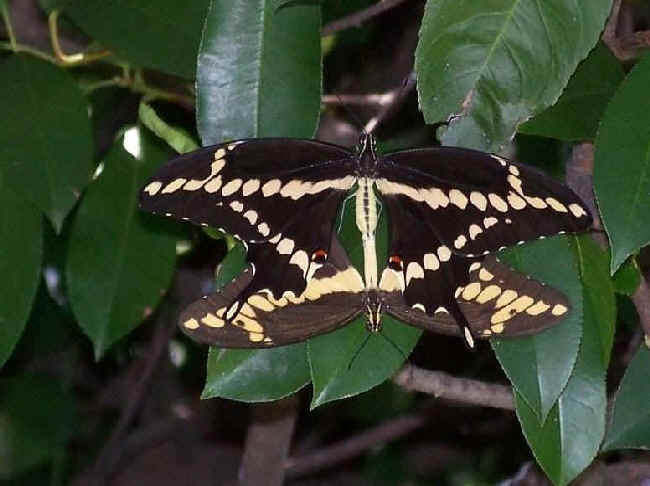
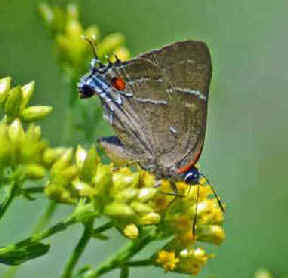
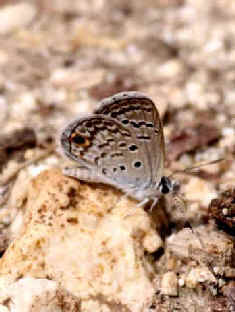
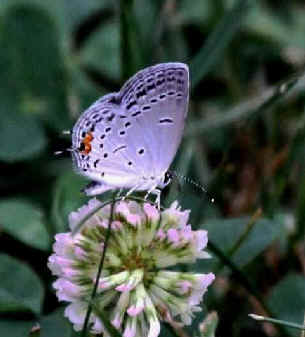
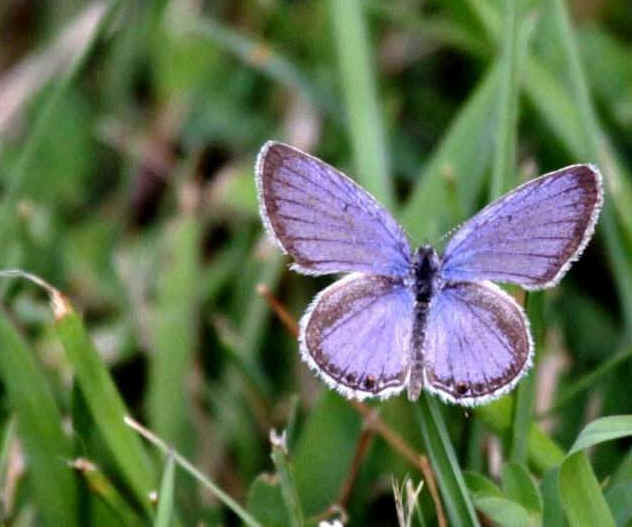
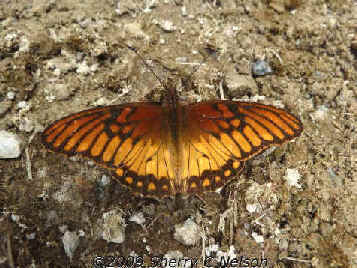
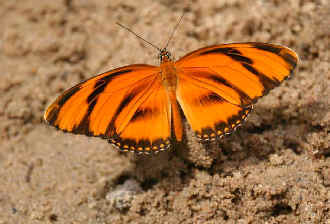
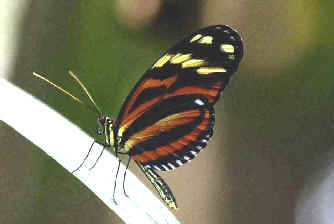
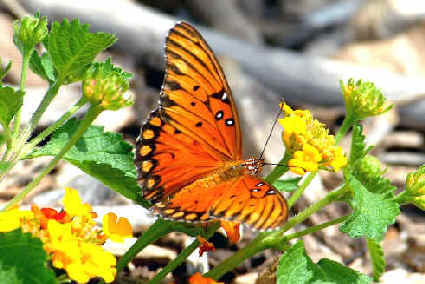
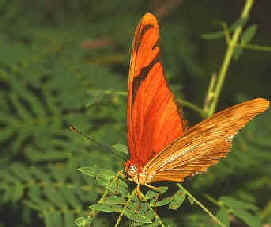
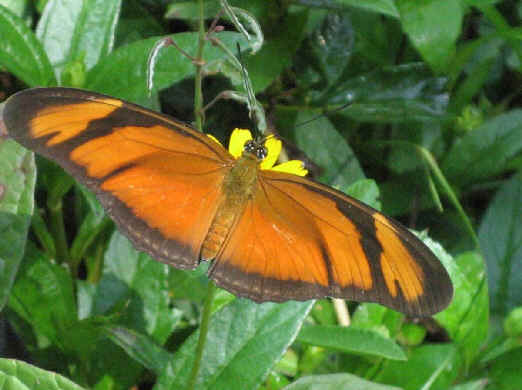
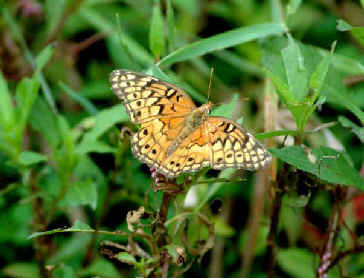
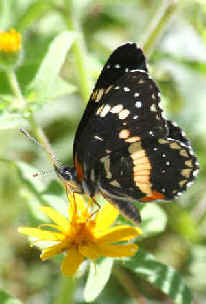
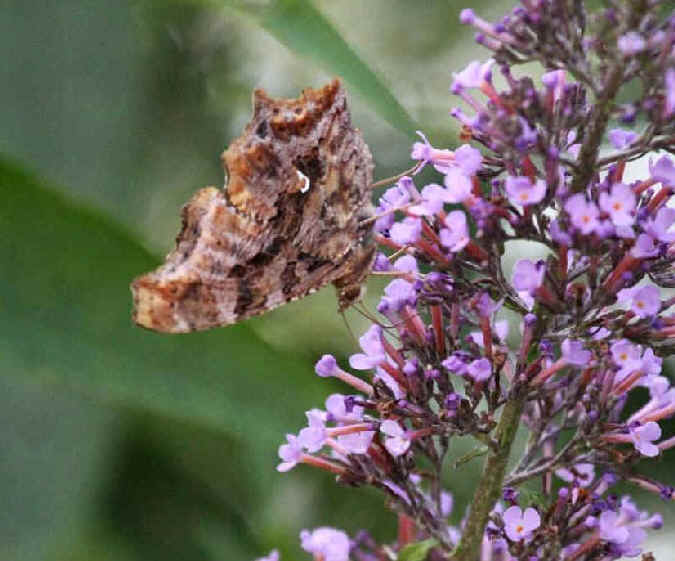
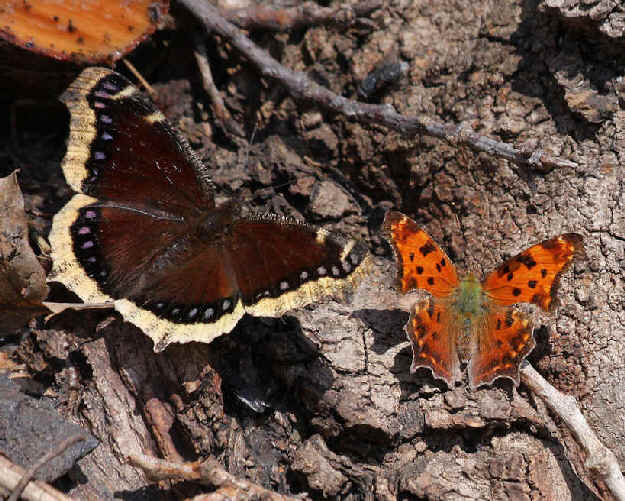
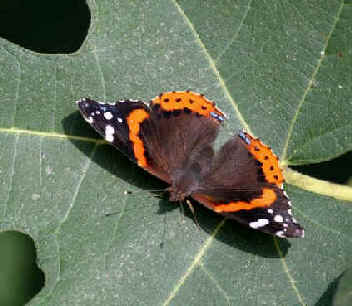
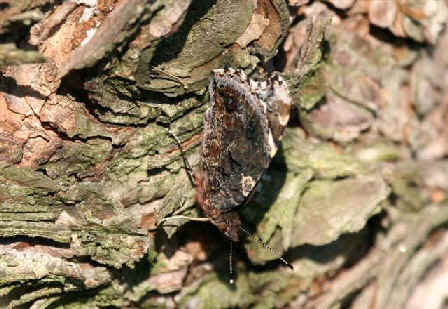
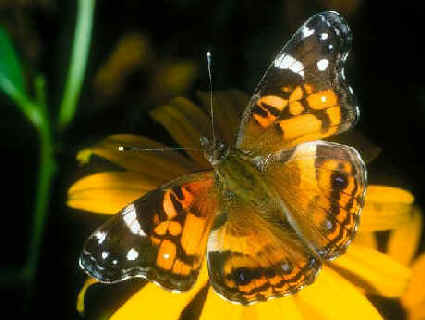
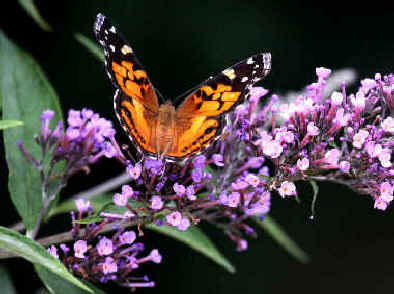
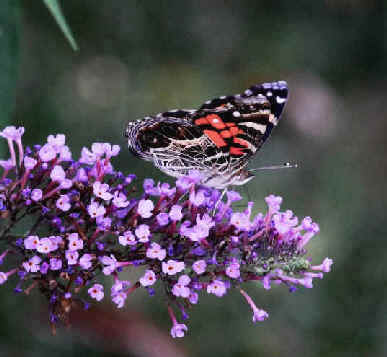
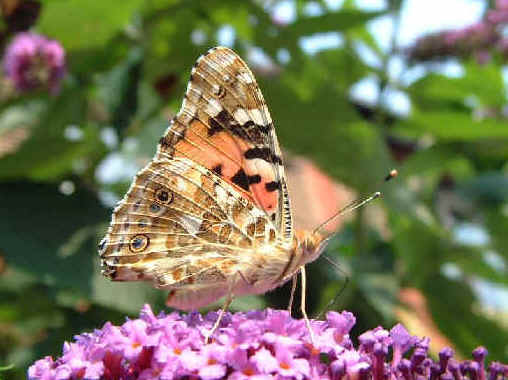
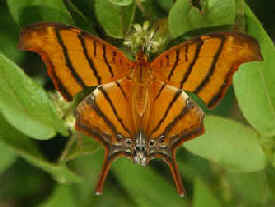
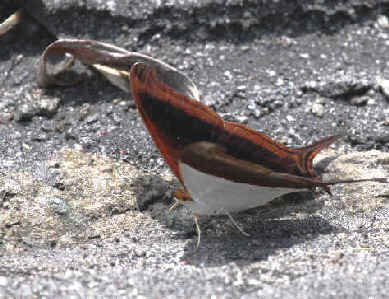
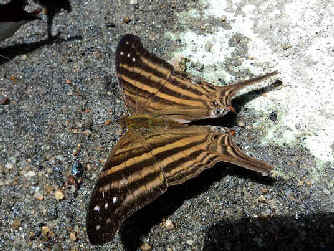
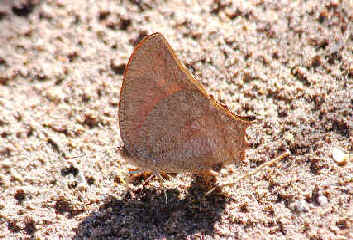
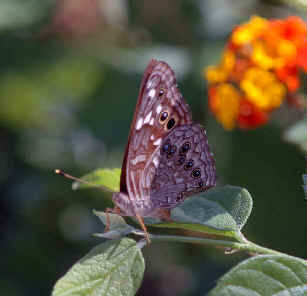
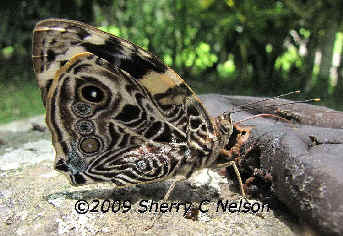
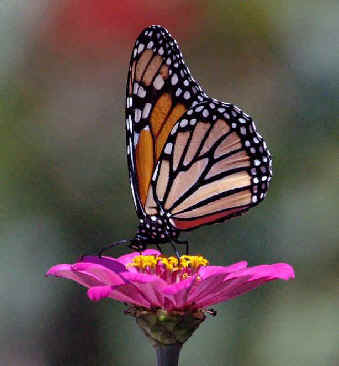
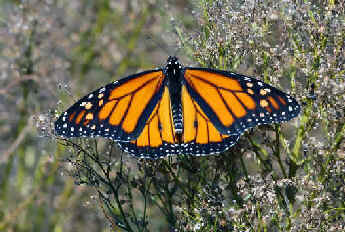
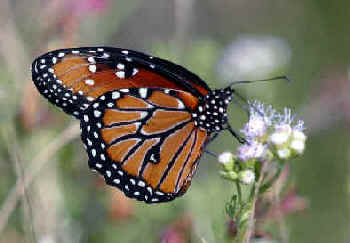
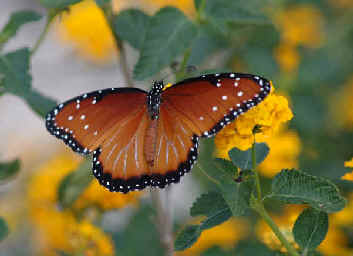
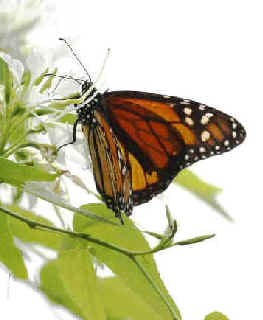
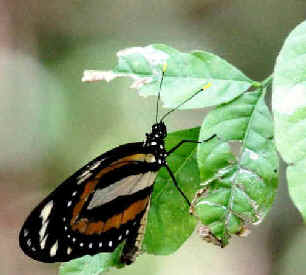
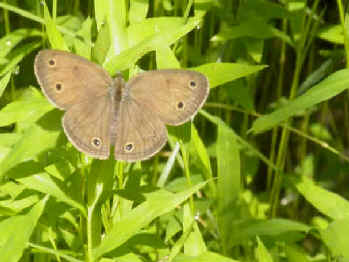
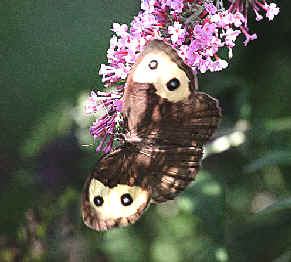
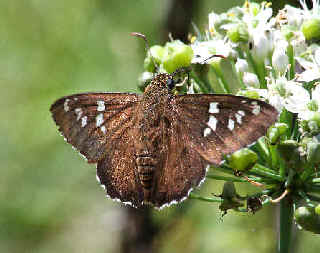
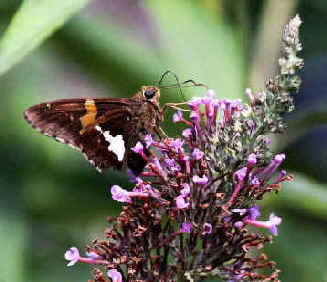
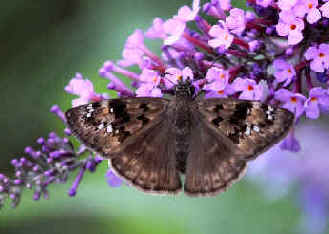
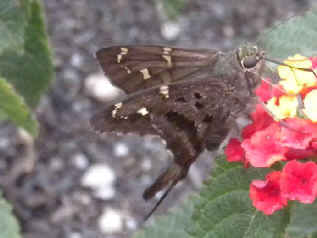
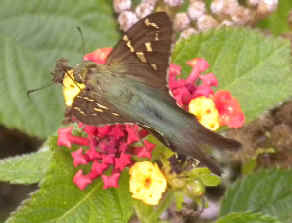
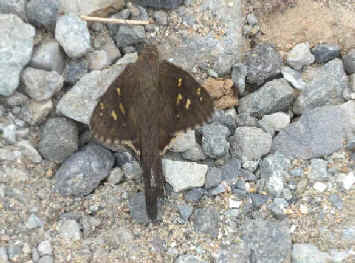
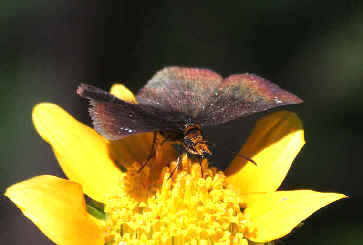
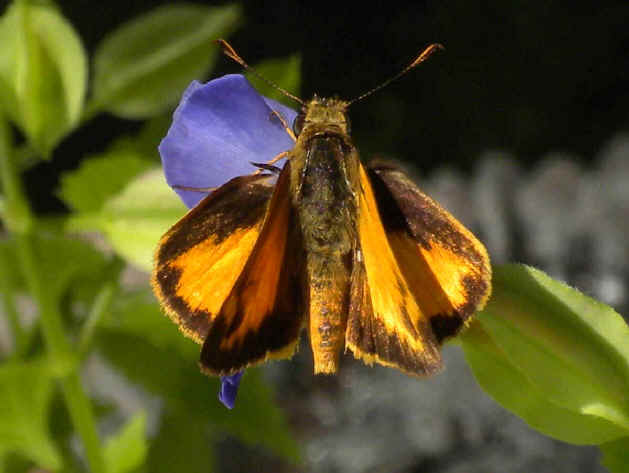
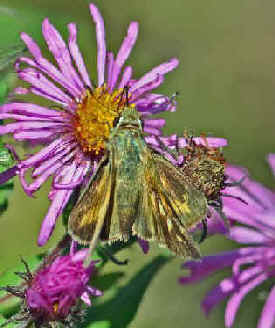
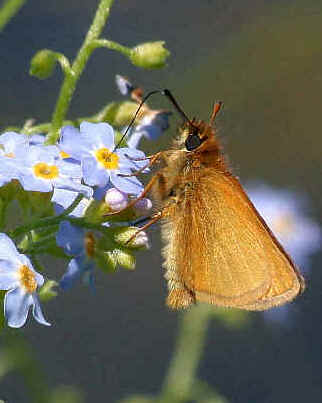
A Photo Gallery of Some 
Butterflies of Texas

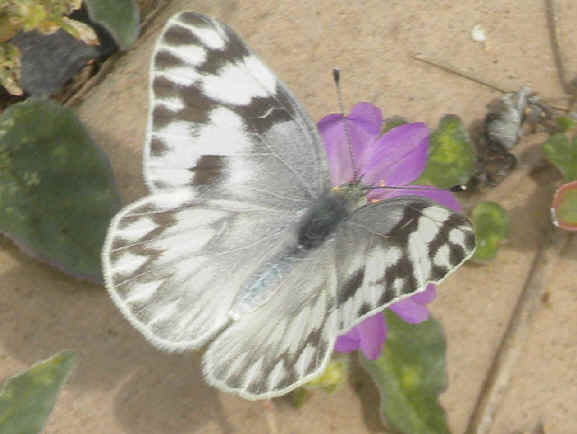
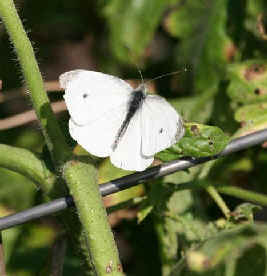
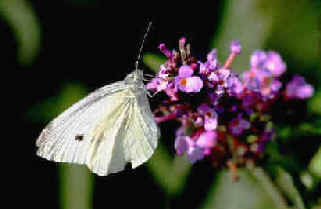
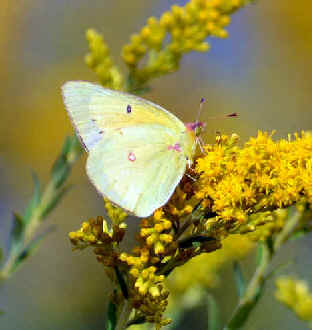
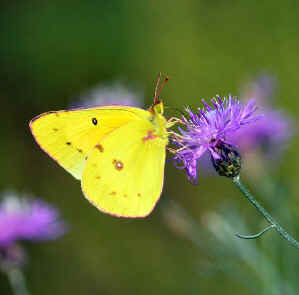
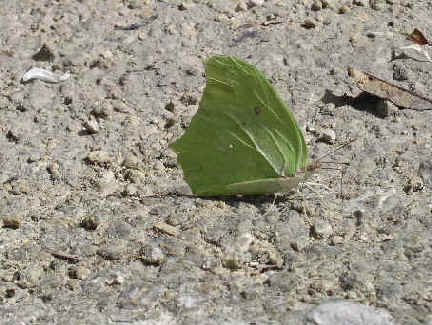
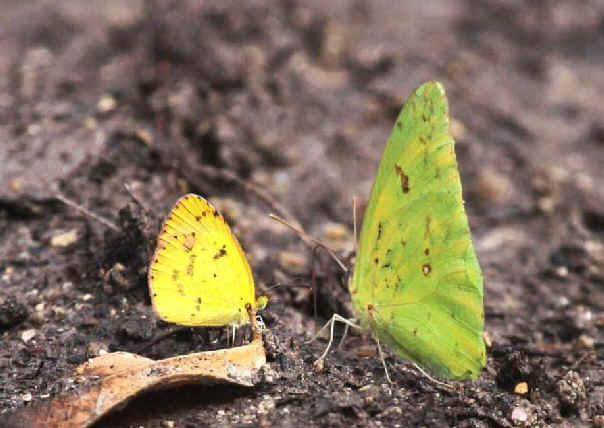
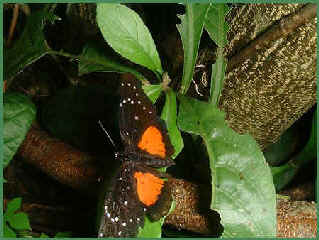
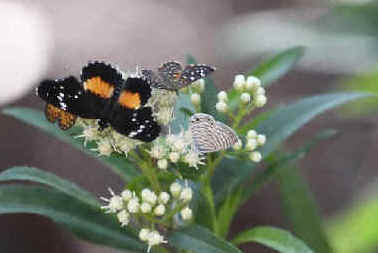
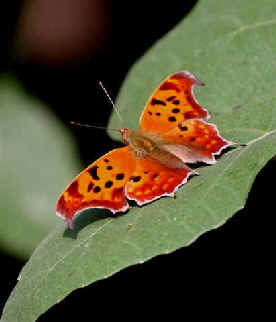
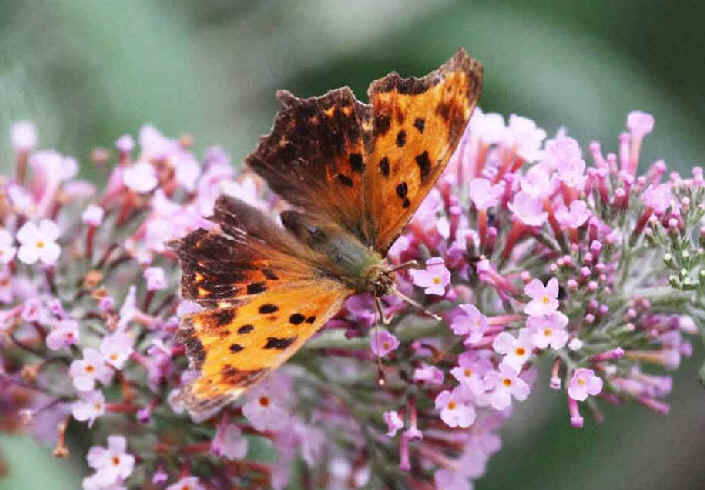
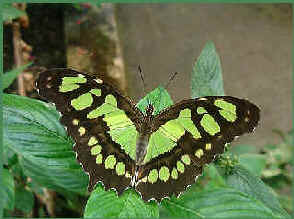
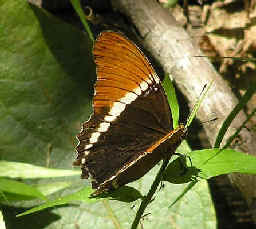
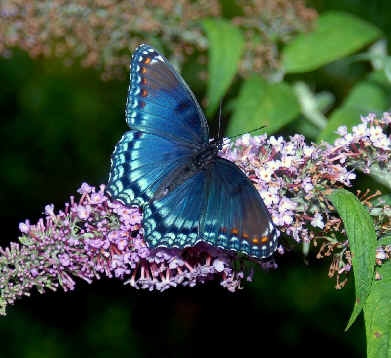
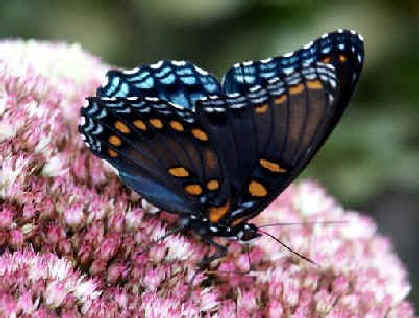
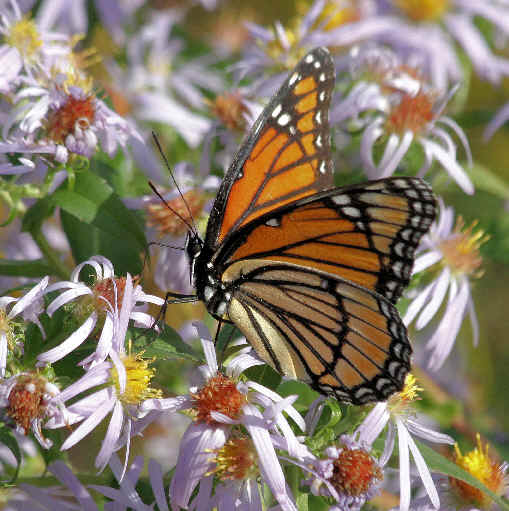
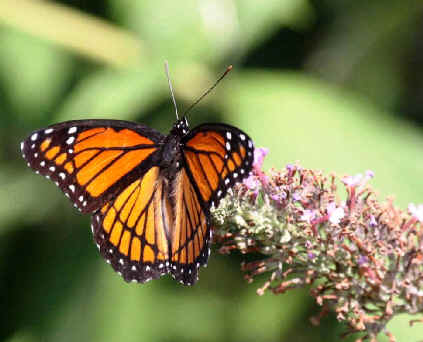
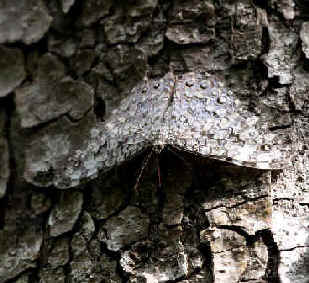
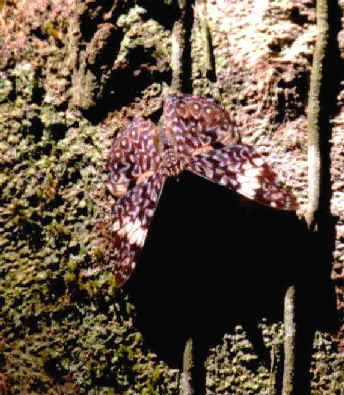
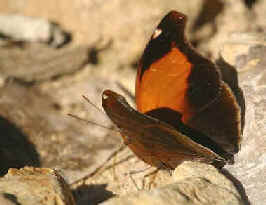
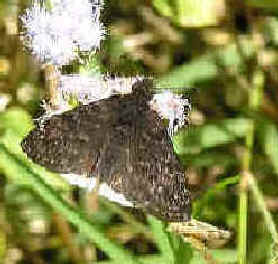
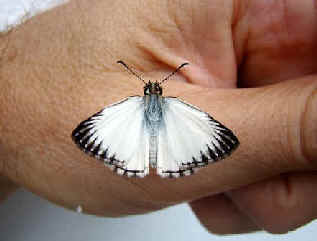
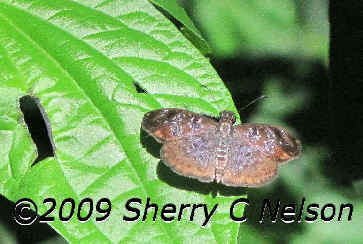
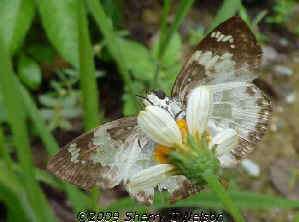
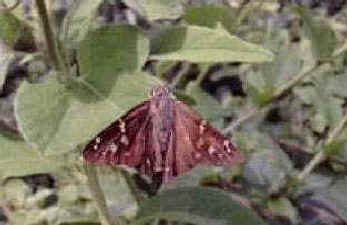
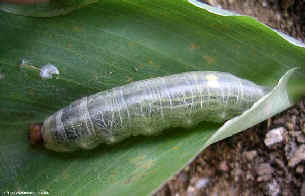
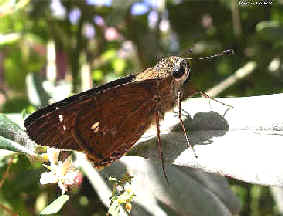
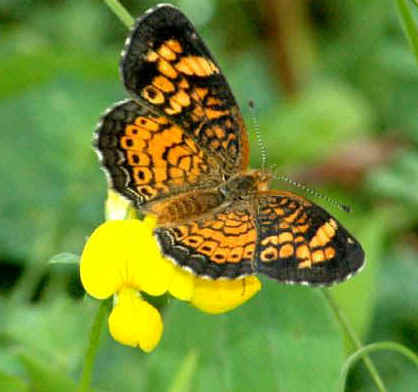
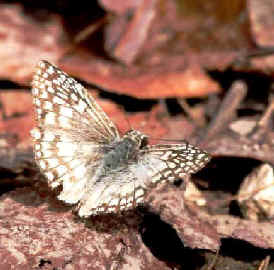
These photographs #1 thru #5 by Howard Eskin,
Photograph #6 & #7 by Douglas Johnson.


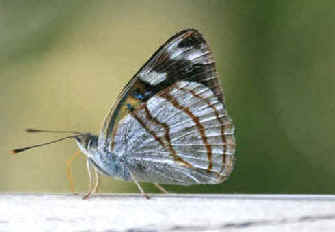
Photo #1


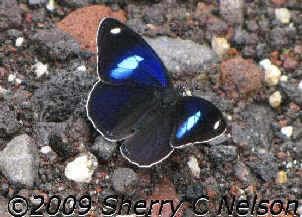
Photo #2


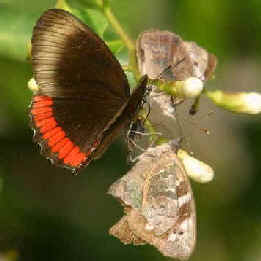
Photo #3


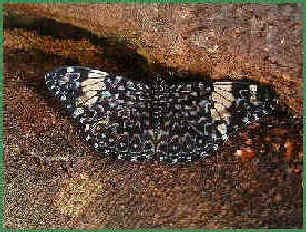
Photo #4


Photo #5


Photo #6


Photo #7


List of Butterflies:


         Family PAPILIONIDAE: SWALLOWTAILS
 
         Genus PARIDES: 
  1. Cattle Heart ______ (PE:text) (has strayed from Mexico to Texas) 
    Parides eurimedes


    Genus  BATTUS: PIPEVINE SWALLOWTAILS 

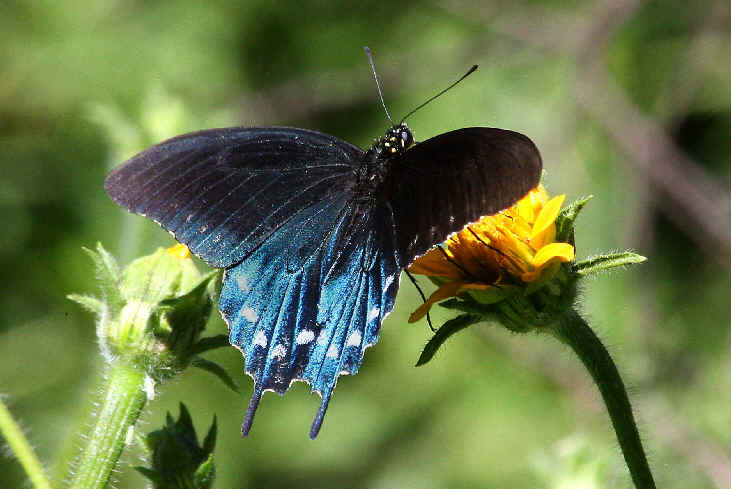
  2. Pipevine Swallowtail (*) ______ (PE:5)(PW:2) (K:27) (RG:22,23)
    Battus philendor
    (In LRGV: common & widespread year-round)

  3. Polydamas Swallowtail ______ (PE:5)(PW:2) (K:37) (RG:24)
    Battus polydamus
    (In LRGV: widespread, but occasional March to January)


    Genus EURYTIDES: KITE SWALLOWTAILS 
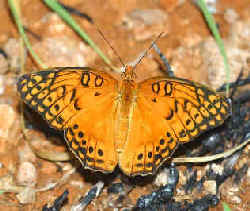
  4. Zebra Swallowtail ______ (PE:5)(PW:2) (K:25)
    Eurytides marcellus

  5. Dark Kite-Swallowtail ______ (PE:text) (RG:25)
    Eurytides philolaus
    (In LRGV: very rare, recorded only a few times in July & October)


    Genus PAPILIO: FLUTED SWALLOWTAILS

  6. Eastern Tiger Swallowtail ______ (PE:2,5,7)(PW:5) (K:21)
    Papilo glaucus

  7. Two-tailed Swallowtail ______ (PE:7)(PW:6) (K:23)
    Papilio multicaudatus

  8. Spicebush Swallowtail ______ (PE:14) (K:27)
    Papilo troilus

  9. Black Swallowtail (*) ______ (PE:2,4,5)(PW:3) (K:29) (RG:26,27)
    Papilio polyxenes  
    (In LRGV: widespread, but uncommon, year-round)

  10. Palamedes Swallowtail ______ (PE:7)(PW:6) (K:37)
    Papilo palamedes

  11. Giant Swallowtail (*) ______ (PE:2,4,6)(PW:4) (K:39) (RG:30,31)
    Papilio cresphontes
    (In LRGV: widespread & common year-round)

  12. Thoas Swallowtail ______ (PE:6) (K:39) (RG:28)
    Papilo thoas
    (In LRGV: very rare, from April to July & September-October)

  13. Ornythion Swallowtail ______ (PE:6)(PW:4) (K:39) (RG:32)
    Papilo ornythion
    (In LRGV: widespread, but rare, from March to June & August to November)

  14. Pink-spotted Swallowtail ______ (PE:text) (RG:36)
    Papilo pharnaces
    (In LRGV: very rare, with 1 record in April. Uncommon in nearby Mexico.)   

  15. Ruby-spotted Swallowtail ______ (PE:text)(PW:5) (K:43) (RG:37)
    Papilo anchisiades
    (In LRGV: rare & local, from April to July & September to December)

  16. Broad-banded Swallowtail ______ (PE:6)(PW:4) (K:43) (RG:33)
    Papilo astyalus
    (In LRGV: very rare, in April & from August to October)

  17. Three-tailed Swallowtail ______ (PE:text)(PW:6) (K:43) (RG:34)
    Papilo pilumnus
    (In LRGV: very rare, with a single historical sighting in May) 

  18. Magnificent Swallowtail ______ (RG:35)
    Papilo garamas abderus
    (In LRGV: very rare, with historical records only from September & October following a hurricane in the 1960's) (Sometimes this species referred to as Abderus Swallowtail, after its subscientific name.)

  19. Victorine Swallowtail ______ (PE:text) 
    Papilio victorinus
    (Range: Mexico to El Salvador. Has strayed to south Texas at least once.)  
     

    Family PIERIDAE: WHITES & SULPHURS

    Subfamily DISMORPHIINAE: MIMIC-WHITES - Primarily a neotropical group of about 100 species.

    Genus ENANTIA

  20. Costa-spotted Mimic-White ______ (PE:text) (RG:68)
    Enantia albania
    (In LRGV: very rare, with historical records only in September)


    Subfamily PIERINAE: WHITES, MARBLES, ORANGETIPS - In this worldwide group, there are some 1,200 species. 

    Genus APPIAS

  21. Florida White (also called Tropical White) ______ (PE:7)(PW:7) (K:53) (RG:39)
    Appias drusilla
    (In LRGV: occasional, from March to May & July to November)


    Genus PONTIA: CHECKERED WHITES 

  22. Checkered White (*) ______ (PE:7)(PW:7) (K:49) (RG:41)
    Pontia protodice
    (In LRGV: common in open areas year-round) 

  23. Spring White ______ (PW:7) (In TX, only in far-west)
    Pontia sisymbrii


    Genus PIERIS: MUSTARD WHITES

  24. Cabbage White (or Cabbage Butterfly) (i/E) (*) ______ (PE:2,4,7)(PW:8) (K:47) (RG:42)
    Pieris rapae
    (In LRGV: very rare from October to December. Common throughout most of the US.)


    Genus ASCIA

  25. Great Southern White (*)______ (PE:8)(PW:8) (K:53) (RG:43) 
    Ascia monuste
    (In LRGV: widespread & common year-round)


    Genus GANYRA

  26. Giant White ______ (PE:8)(PW:8) (K:53) (RG:44) (strays from Mexico to southern Texas)
    Ganyra josephina
    (In LRGV: widespread but occasional from March to January, with most sightings September-December)


    Genus LEPTOPHOBIA

  27. Mountain White ______  (RG:40)
    Leptophobia aripa
    (In LRGV: very rare, with a single October record. Common in nearby Mexico.) 


    Genus  CATASTICTA

  28. Mexican Dartwhite ______ (PW:7) (K:51) (strays from Mexico to Chisos Mtns of west Texas)
    Catasticta nimbice 


    Genus EUCHLOE: MARBLES

  29. Desert Marble ______ (PW:9) (In TX, only in far-west)
    Euchloe lotta


    Genus ANTHOCHARIS

  30. Falcate Orangetip ______ (PE:8)(PW:9) (K:57) (RG:45)
    Anthocharis midea
    (In LRGV: occasional, from February to April) 

  31. Desert Orangetip ______ (PW:9) (K:59) (color varies to yellow in eastern (Texan) portion of range) 
    Anthocharis cethura

  32. Southwestern Orangetip ______ (PW:9) (In TX, only in far-west)
    Anthocharis thoosa


    Subfamily COLIADINAE: SULPHURS - There are about 300 species worldwide.

    Genus COLIAS: SULPHURS

  33. Clouded Sulphur ______ (PE:9)(PW:10) (K:61)
    Colias (or Zerene) philodice

  34. Orange Sulphur ______ (PE:2,9)(PW:10) (K:61) (RG:46,47)
    Colias eurytheme
    (In LRGV: widespread but uncommon year-round)

  35. Southern Dogface ______ (PE:10)(PW:12) (K:69) (RG:48)
    Colias cesonia
    (In LRGV: widespread, usually common year-round)

    (In LRGV: widespread, usually common year-round)


    Genus ANTEOS: ANGLED SULPHURS

  36. White-angled Sulphur ______ (PE:10)(PW:12) (K:77) (RG:49) (a mostly Mexican species that just reaches western & southern Texas; usually into western TX during monsoons)
    Anteos clorinde
    (In LRGV: occasional, with some sightings March-May, most sightings July-January)  

  37. Yellow-angled Sulphur ______ (PE:10)(PW:12) (K:77) (RG:50) (a rare stray into Texas from Mexico, less often seen than the White-angled Sulphur)
    Anteos maerula
    (In LRGV: occasional, from February to December) 


    Genus PHOEBIS: GIANT SULPHURS

  38. Cloudless Sulphur (*) ______ (PE:10)(PW:12) (K:75) (RG:51)
    Phoebis sennae
    (In LRGV: Widespread, often abundant year-round)

  39. Large Orange Sulphur ______ (PE:10)(PW:13) (K:75) (RG:53)  
    Phoebis agarithe
    (In LRGV: widespread & common year-round)

  40. Orange-barred Sulphur ______ (PE:10)(PW:12) (K:75) (RG:52)
    Phoebis philea
    (In LRGV: uncommon & local, in April & July to January)

  41. Tailed Sulphur ______ (PE:text)(PWp:178) (RG:54)
    Phoebis neocypris
    (In LRGV: very rare, with records in October & November. In Mexico & Central America, mainly in premontane & montane forests and associated openings.) 

  42. Statira Sulphur ______ (PE:10)(PW:13) (K:77) (RG:55)
    Phoebis statira
    (In LRGV: very rare, with records in February & June)

  43. Apricot Sulphur ______ (PE:text) (Strays extremely rarely from Mexico to Texas. 3 records, June-October)
    Phoebis argante


    Genus KRICOGONIA

  44. Lyside Sulphur (*) ______ (PE:8)(PW:13) (K:77) (RG:56)
    Kricogonia lyside
    (In LRGV: widespread & abundant year-round)


    Genus EUREMA: SMALL YELLOWS 

  45. Sleepy Orange ______ (PE:11)(PW:13) (K:69) (RG:66)
    Eurema nicippe
    (In LRGV: widespread & usually abundant year-round) 

  46. Tailed Orange ______ (PE:11)(PW:13) (K:69) (RG:62)
    Eurema proteria
    (In LRGV: widespread but uncommon & sporadic, from June to January)

  47. Little Yellow (*) ______ (PE:11)(PW:13) (K:71) (RG:63)
    Eurema lisa
    (In LRGV: widespread & common year-round)

  48. Mimosa Yellow (or Jamaican Sulphur) ______ (PE:11)(PW:13) (K:71) (RG:64)
    Eurema nise
    (In LRGV: uncommon & local, from August to January)

  49. Barred Yellow ______ (PE:11)(PW:13) (K:71) (RG:57)
    Eurema daira
    (In LRGV: very rare, from August to November)

  50. Ghost Yellow ______  (RG:58)
    Eurema albula
    (In LRGV: very rare, with a single November record) 

  51. Mexican Yellow ______ (PE:11)(PW:13) (K:73) (RG:60)
    Eurema mexicana
    (In LRGV: widespread but rare, occurring year-round)

  52. Boisduval's Yellow ______ (PE:11)(PW:13) (K:73) (RG:59) (strays from Mexico into west & south Texas)
    Eurema boisduvaliana
    (In LRGV: uncommon & local, from April to January)

  53. Dina Yellow ______ (PE:11)(PW:13) (K:73) (RG:65) (strays rarely from Mexico)
    Eurema dina
    (In LRGV: very rare, with records only in April, July, and September)

  54. Salome Yellow ______ (PE:text) (K:73) (RG:61)
    Eurema salome
    (In LRGV: very rare, with a single historical record in September)
    (Sometimes known as "Monkey Face Sulphur'.)


    Genus NATHALIS

     
  55. Dainty Sulphur ______ (PE:10)(PW:13) (K:71) (RG:67)
    Nathalis iole
    (In LRGV: widespread & common, sometimes abundant, year-round)
    (Once known as "Dwarf Yellow".)


    Family LYCAENIDAE: GOSSAMER-WING BUTTERFLIES

    Subfamily MILETINAE: HARVESTERS - This group, of about 50 species, is mostly in Africa & Asia. One species occurs in North America. 

    Genus FENISECA 

  56. Harvester ______ (PW:14) (K:81)
    Feniseca tarquinius


    Subfamily LYCAENINAE: COPPERS - There are about 50 species found in Eurasia & North America. One isolated species, Lycaena pyhrrias, lives on volcanoes in Guatemala. A few species occur in New Guinea, New Zealand, and northern Africa. 

    Genus LYCAENA

  57. Gray Copper ______ (PE:3,12) (PW:14) (K:83)
    Lycaena dione


    Subfamily THECLINAE: HAIRSTREAKS 

    Genus HYPAUROTIS

  58. Colorado Hairstreak ______ (PW:15) (In TX, local in the west)
    Hypaurotis crysalus


    Genus ALLOSMAITIA

  59. Strophius Hairstreak ______ (PE:text) (RG:text)
    Allomaitia strophius
    (In LRGV: very rare, in October & November)


    Genus ATLIDES

  60. Great Purple Hairstreak ______ (PE:12) (PW:15) (K:109) (RG:70)
    Atlides halesus
    (In LRGV: widespread, but uncommon year-round)

    (In LRGV: widespread, but uncommon year-round)


    Genus REKOA 

  61. Gold-bordered Hairstreak ______ (PE:text) (RG:71)
    Rekoa palegon
    (In LRGV: very rare with historical records in November)

  62. Marius Hairstreak ______ (PE:text) (PW:18) (RG:72)
    Rekoa marius
    (In LRGV: very rare, from September to December)


    Genus OCARIA

  63. Black Hairstreak ______  (RG:text)
    Ocaria ocrisia


    Genus CHLOROSTRYMON

  64. Telea Hairstreak ______  (RG:73)
    Chlorostrymon telea
    (In LRGV: very rare, with a single sighting in June)

  65. Silver-banded Hairstreak ______ (PE:13) (K:117) (RG:74)
    Chlorostrymon simaethis
    (In LRGV: uncommon & local year-round, on or near balloonvines)


    Genus ARAWACUS

  66. Creamy Stripe Hairstreak ______ (K:109) (a rare stray to south Texas from Mexico)
    Arawacus jada  


    Genus PHAEOSTRYMON

  67. Soapberry Hairstreak ______ (PW:16) (K:97)
    Phaeostrymon alcestis


    Genus FIXSENIA 

  68. Southern (or Oak) Hairstreak ______ (PE:13)(PW:16) (K:97) (RG:75)
    Fixsenia
    (or Satyrium) favonius
    (The southern populations were previously considered to a species separate from the more northern and western butterflies, which were called Fixsenia (or Satyrium) favonius ontario, the Northern Hairstreak.)
    (In LRGV: very rare, in April & May) 

  69. Poling's Hairstreak ______ (PW:17) (In TX, in the west. The Chisos Mtns in Big Bend NP is a good place to observe this species.) 
    Fixsenia polingi


    Genus SATYRIUM: BROWN HAIRSTREAKS  

  70. Banded Hairstreak ______ (PE:14) (PW:16) (K:95)
    Satyrium calanus

  71. Edward's Hairstreak ______ (PE:14) (PW:16) (K:95)
    Satyrium edwardsii

  72. King's Hairstreak ______ (PE:14) (K:95)
    Satyrium kingi

  73. Striped Hairstreak ______ (PE:14) (PW:16) (K:95)
    Satyrium liparops

  74. Behr's Hairstreak ______ (PW:16) (In TX, local in the north)
    Satyrium behrii

  75. Coral Hairstreak ______ (PE:14) (PW:16) (K:99)
    Satyrium titus


    Genus CYANOPHRYS: TROPICAL GREEN HAIRSTREAKS 

  76. Amyntor Greenstreak ______ (PW:17) (In the US, known only from a single specimen collected in west TX in the Big Bend NP.)
    Cyanophrys amyntor

  77. Clench's Greenstreak ______ (PE:13) (K:117) (RG:76) (in the US, occurs only in south Texas)
    Cyanophrys miserabilis
    (In LRGV: rare & local, with records from April to December)

  78. Goodson's Greenstreak ______ (PE:13) (K:117) (RG:77) (in the US, occurs only in south Texas) 
    Cyanophrys goodsoni
    (In LRGV: very rare, from May to December)

  79. Tropical Greenstreak ______ (PE:13) (K:117) (RG:78) (strays rarely from Mexico to south Texas)
    Cyanophrys herodotus
    (In LRGV: very rare, in May, June, & October)


    Genus CALLOPHRYS: CEDAR HAIRSTREAKS & ELFINS
  80. Sandia Hairstreak ______ (PW:17) (K:117)
    Callophrys mcfarlandi

  81. Xami Hairstreak ______ (PE:13) (PW:17) (K:117) (RG:79)
    Callophrys xami
    (In LRGV: fairly common, but local year-round, occurring only in arid cactus-scrub sites with plenty of stonecrop and echeveria) 

  82. Juniper Hairstreak ______ (PE:13) (PW:17) (K:111)
    Callophrys gryneus

  83. Thicket Hairstreak ______ (PW:17) (K:115) (In TX, in the west)
    Callophrys spinetorum

  84. Henry's Elfin ______ (PE:14) (PW:18) (K:105)
    Callophrys henrici

  85. Frosted Elfin ______ (PE:14) (K:105)
    Callophrys irus

  86. Eastern Pine Elfin ______ (PE:14) (PW:18) (K:107)
    Callophrys niphon


    Genus PARRHASIUS

  87. White M Hairstreak ______ (PE:15)(PW:18) (K:93)
    Parrhasius m-album


    Genus OENOMAUS

  88. Aquamarine Hairstreak ______ (PE:text) (RG:80)
    Oenomaus ortygnus
    (In LRGV: very rare in November & December. Occurs regularly in nearby Mexico)


    Genus TMOLUS

  89. Red-spotted Hairstreak ______ (PE:13) (PW:18) (K:119) (RG:94) (strays rarely from Mexico to south Texas)
    Tmolus echion
    (In LRGV: very rare, with historical records only in May)


    Genus MINISTRYMON

  90. Leda Ministreak ______ (PW:18) (K: 119) (RG:96) (in TX, in the far-west)
    Ministrymon leda

  91. Clytie Ministreak ______ (PE:14) (K:119) (in the US, occurs only in south Texas)
    Ministrymon clytie 
    (In LRGV: common, but local, year-round. Can be abundant at certain locations, such as Laguna Atacosa NWR in the summer.)

  92. Gray (or Azia) Ministreak ______ (PE:13)(PW:18) (K:119) (RG:97) (in the US, occurs only in south Texas)
    Ministrymon azia
    (In LRGV: occasional, from March to October)


    Genus SIDERUS

  93. Pearly-gray (or Tephraeus) Hairstreak ______ (PE:text) (RG:95)
    Siderus tephraeus
    (In LRGV: very rare, from September to December)


    Genus ERORA

  94. Arizona Hairstreak ______ (PW:18) (K:115) (In TX, in the west) 
    Erora quaderna


    Genus CALYCOPIS 

  95. Red-banded Hairstreak ______ (PE:13) (PW:18) (K:103)
    Calycopis cecrops

  96. Dusky-blue Hairstreak (or Groundstreak) ______ (PE:13) (PW:18) (K:103) (RG:92)
    Calycopis isobeon
    (In LRGV: widespread & common year-round)


    Genus ZIEGLERIA (said by some in be in KISUTAM)

  97. Mountain Groundstreak ______  (RG:93) 
    Ziegleria guzanta
    (In LRGV: very rare, seen in January 2004. There are also a few records from west Texas.) 


    Genus ELECTROSTRYMON

  98. Ruddy Hairstreak ______ (PE:13) (K:103) (RG:90) (in the US, occurs only in south Texas) 
    Electrostrymon sangala
    (In LRGV: very rare, in April & from October to December) 

  99. Muted Hairstreak ______ (PE:text) (K:103) (RG:91) (in the US, occurs only in south Texas)
    Electrostrymon canus
    (In LRGV: very rare - info as to time of year not available)


    Genus STRYMON: SCRUB-HAIRSTREAKS - Primarily a tropical group, with a number of species along the US-Mexico border.

  100. Gray Hairstreak ______ (PE:3,8,24) (PW:18) (K:93) (RG:81)
    Strymon melinus
    (In LRGV: widespread & common year-round) 

  101. Mallow Scrub-Hairstreak ______ (PE:15) (PW:18) (K:121) (RG:87)
    Strymon istapa
    (In LRGV: widespread & common year-round)

  102. Red-lined Scrub-Hairstreak ______ (PE:15) (PW:18) (K:121) (RG:83) (strays rarely from Mexico to south Texas)
    Strymon bebrycia
    (In LRGV: occasional, in October & November) 

  103. Lacey's Scrub-Hairstreak (has been called Lacey's Hairstreak) (*) ______ (PE:15)(PW:18) (K:123) (RG:86) (rare & local in central & south Texas)
    Strymon alea
    (In LRGV: uncommon & local at scattered sites, in April & from October to December) 

  104. Red-crescent Scrub-Hairstreak (has been called Reddish Hairstreak) ______ (PE:15) (K:123) (RG:82) (in the US, only in extreme southern Texas, where it is rare)
    Strymon rufofusca
    (In LRGV: occasional, from March to January)

  105. Tailless Scrub-Hairstreak ______ (PE:15) (PW:18) (K:123) (RG:88) (strays rarely from Mexico)
    Strymon cestri
    (In LRGV: very rare, in March)

  106. Lantana Scrub-Hairstreak ______ (PE:15) (PW:18) (K: 123) (RG:89) (in the US, only in south Texas; widespread in Central & South American Tropics)
    Strymon bazochii
    (In LRGV: occasional much of the year, with sightings from January to March, in May, and from October to November)

  107. Yojoa Scrub-Hairstreak (has been called Yojoa Hairstreak) ______ (PE:15)(PW:text) (K:123) (RG:84) (strays rarely from Mexico to south Texas)
    Strymon yojoa
    (In LRGV: occasional, in April &  from October to January)

  108. White Scrub-Hairstreak (has been called White Hairstreak) ______ (PE:15) (K:123) (RG:85) (strays very rarely from Mexico to south Texas)
    Strymon albata 
    (In LRGV: rare, with records in April & from June to December)


    Subfamily POLYOMMATINAE: BLUES

    Genus COMYNTAS

  109. Eastern Tailed-Blue ______ (PE:16)(PW:19) (K:125) (RG:104)
    Everes comyntas
    (In LRGV: rare & local, with records in July & August) 


    Genus LEPTOTES

  110. Marine Blue ______ (PE:16)(PW:19) (K:127) (RG:100)
    Leptotes marina
    (In LRGV: widespread, but uncommon, year-round)

  111. Cassius Blue ______ (PE:16)(PW:19) (K:127) (RG:99)
    Leptotes cassius
    (In LRGV: widespread, but occasional, year-round)


    Genus BREPHIDIUM

  112. Western Pygmy-Blue ______ (PE:15) (PW:19) (K:127) (RG:98) (considered the world's smallest butterfly, with a wingspan of .5 to .75 inches) 
    Brephidium exile
    (In LRGV: common, but local, year-round) 


    Genus ZIZULA

  113. Cyna Blue ______ (PE:15) (PW:19) (K:127) (RG:101)  (a rare stray from Mexico to southern & southwestern Texas)
    Zizula cyna
    (In LRGV: rare, with records from March to January) 


    Genus HEMIARGUS

  114. Ceraunus Blue (*) ______ (PE:15) (PW:19) (K:129) (RG:102)
    Hemiargus ceraunus
    (In LRGV: widespread & common year-round)

  115. Reakirt's Blue ______ (PE:15) (PW:19) (K:129) (RG:103)
    Hemiargus isola
    (In LRGV: widespread & fairly common year-round)


    Genus CELASTRINA: AZURES

  116. Spring Azure ______ (PE:16)(PW:19) (K:131)
    Celastrina ladon

  117. Summer Azure ______ (PW:19) (This has now been shown to a species separate from the Spring Azure.)
    Celastrina neglecta


    Genus EUPHILOTES

  118. Rita Dotted-Blue ______ (PW:20)
    Euphilotes rita


    Genus ICARICIA

  119. Lupine Blue ______ (PE:19) (K:133) (previously considered a subspecies of the Acmon Blue; that species is now restricted to the far-west US)  
    Icaricia lupinibejus 


    Genus LYCAEIDES

  120. Melissa Blue ______ (PE:16) (PW:20) (K:135)
    Lycaeides melissa


    Family RIODINIDAE: METALMARKS - With a few exceptions, these butterflies are in the tropics, especially in the Americas. About 1,300 species are known.

    Genus CALEPHELIS: SCINTILLANT METALMARKS 
      

  121. Little Metalmark ______ (PE:17) (K:143) (in TX, only in far-east)
    Calephelis virginiensis

  122. Fatal Metalmark ______ (PE:17)(PW:22) (K:145) (RG:105)
    Calephelis nemesis
    (In LRGV: widspread & common year-round, but most numerous from May to December) 

  123. Rounded Metalmark ______ (PE:17)(PW:22) (K:145) (RG:106) (in US, only in south Texas)
    Calephelis perditalis
    (In LRGV: widespread & common year-round)

  124. Rawson's Metalmark ______ (PE:17)(PW:22) (K:145) (RG:107) (rare & local in southwestern & south Texas)
    Calephelis rawsoni
    (In LRGV: rare & local, with records from February to November)


    Genus APODEMIA

  125. Narrow-winged Metalmark ______ (PE:17) (K:149) (RG:113) (strays rarely from Mexico to south Texas; in MX, flies most of the year, in south TX, recorded in the fall.)
    Apodemia multiplaga
    (In LRGV: very rare, in October & November)

  126. Walker's Metalmark ______ (PE:17) (K:151) (RG:114) (In US, only in extreme south Texas)
    Apodemia walkeri
    (In LRGV: rare, with records from May to August & October to December. Most often seen at gardens in the fall.)

  127. Sonoran Metalmark ______ (PW:22)  (In TX, in the far-west) 
    Apodemia mejicanus 

  128. Chisos Metalmark ______ (PWp:265) (K:147) (a specialty of west Texas, mainly Big Bend. Has been considered a subspecies of the Nais Metalmark, of further west.)   
    Apodemia (nais) chisosensis

  129. Mexican Metalmark ______ (PW:22) (K:149) (formerly considered to be part of the Mormon Metalmark, Apodemia mormo, now further west) 
    Apodemia duryi
     

  130. Palmer's Metalmark ______ (PW:22) (K:149) (in TX, only in west)
    Apodemia palmeri

  131. Hepburn's Metalmark ______ (K:149) (in US, strays into western into west Texas, where it is sparse in the Big Bend region)  
    Apodemia hepburni


    Genus CARIA

  132. Red-bordered Metalmark _______ (PE:17) (K:151) (RG:108) (in US, only in south Texas)
    Caria ino
    (In LRGV: widespread & often common year-round)


    Genus LASAIA

  133. Blue Metalmark ______ (PE:17) (K:151) (RG:109) (in US, only in extreme south Texas) e)
    Lasaia sula
    (In LRGV: uncommon & local year-round, Can be quite common in gardens in & near Brownsville in late-summer & fall.)  


    Genus MELANIS

  134. (Red-bordered) Pixie ______ (PE:17) (K:151) (RG:110) (in US, only in extreme south Texas)
    Melanis pixe
    (In LRGV: uncommon & local, in April-May & from July to January. Populations are in the eastern LRGV near Guamachil Trees.) 


    Genus EMESIS

  135. Curve-winged Metalmark (or Curve-wing Emesia) ______ (PE:17) (K:151) (RG:111) (strays rarely from Mexico to extreme south Texas) 
    Emesis emesia
    (In LRGV: rare, in February & from May to December. Recorded most often in the fall.) 

  136. Falcate Metalmark ______ (PE:text) (K:151) (RG:112) (strays very rarely from Mexico to south Texas)
    Emesis tenedia
    (In LRGV: very rare, with a single record in October)


    Family NYMPHALIDAE: BRUSH-FOOTED BUTTERFLIES

    Subfamily LIBYTHEINAE: SNOUTS

    Genus LIBYTHEANA

  137. American Snout ______ (PE:18)(PW:22) (K:223) (RG:115)
    Libytheana carinenta
    (In LRGV: widespread & often the most abundant species year-round)


    Subfamily HELICONIINAE: HELICONIANS & FRITILLARIES 

    Genus HELICONIUS: LONGWINGS

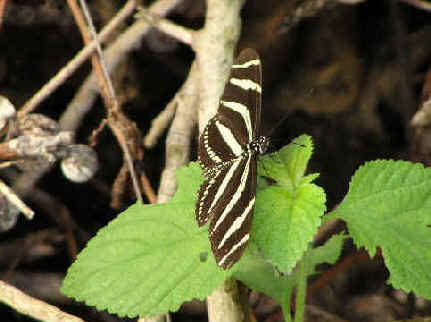
  138. Zebra (Heliconian) ______ (PE:19)(PW:23) (K:155) (RG:125)
    Heliconius charithonia
    (In LRGV: uncommon & local year-round, in woodlands) 

  139. Erato Heliconian (or Crimson-patched Longwing) ______ (PE:19) (K:155) (RG:126)
    Heliconius erato
    (In LRGV: rare, with sightings in January, June, August, & December)


    Genus DIONE

     
  140. Mexican Silverspot ______ (PE:19)(PW:23) (K:155) (RG:118,119)
    Dione moneta
    (In LRGV: occasional, from April to January)


    Genus DRYADULA

  141. Banded Orange Heliconian ______ (PE:19) (K:155) (RG:120)
    Dryadula phaetusa
    (In LRGV: very rare, recorded only in March, August, November)


    Genus EUEIDES

  142. Isabella's Heliconian ______ (PE:20)(PW:23) (K:155) (RG:124)
    Eueides isabella 
    (In LRGV: rare, with records throughout much of the year. Most sightings are from October to December.) 


    Genus AGRAULIS

  143. Gulf Fritillary ______ (PE:19)(PW:23) (K:157) (RG:116,117)
    Agraulis vanillae
    (In LRGV: widespread & common year-round)


    Genus DRYAS 

  144. Julia (Heliconian) ______ (PE:19)(PW:23) (K:157) (RG:122,123)
    Dryas julia
    (In LRGV: uncommon & local year-round)


    Genus EUPTOIETA

  145. Variegated Fritillary ______ (PE:3,20)(PW:23) (K:157) (RG:127)
    Euptoieta claudia
    (In LRGV: widespread & common year-round)

  146. Mexican Fritillary ______ (PE:20)(PW:23) (K:157) (RG:128) (in US, regular only in south Texas)
    Euptoieta hegesia
    (In LRGV: uncommon & local most of the year, particularly in March & from July to December)  


    Subfamily NYMPHALINAE: BRUSHFOOTS (CRESCENTS, CHECKERSPOTS, & PATCHES)

    Genus PHYCIODES: CRESCENTS
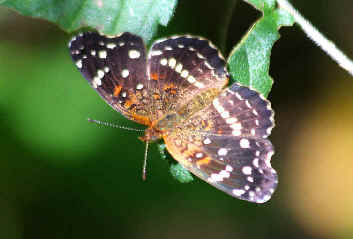
  147. Pearl Crescent ______ (PE:22)(PW:28) (K:177) (RG:146,147)
    Phyciodes tharos
    (In LRGV: widespread & common year-round)

  148. Mylitta Crescent ______ (K:179) (in TX, in far-west)
    Phyciodes mylitta

  149. Vesta Crescent (*) ______ (PE:21)(PW:27) (K:181) (RG:143)
    Phyciodes vesta
    (In LRGV: widespread & common year-round)

  150. Phaon Crescent (*) ______ (PE:21)(PW:28) (K:181) (RG:144,145)
    Phyciodes phaon
    (In LRGV: widespread & common year-round)

  151. Painted Crescent ______ (PE:21)(PW:28) (K:181)
    Phyciodes picta

  152. Texan Crescent ______ (PE:21)(PW:27) (K:183) (RG:139)
    Phyciodes texana
    (In LRGV: common, but local, year-round)

  153. Pale-banded (or Tulcis) Crescent ______ (PW:27) (K:183) (RG:140) (in US, resident in south Texas; strays to west Texas)
    Phyciodes tulcis
    (In LRGV: rare & local, in March, May, & from October to December. Most records in the fall.) 

  154. Black Crescent ______ (PE:21) (K:183) (RG:141) (strays rarely from Mexico to south Texas) 
    Phyciodes ptolyca 
    (In LRGV: very rare, with records in March & December)

  155. Chestnut Crescent ______ (K:text) (RG:142) (strays rarely from Mexico to south Texas)
    Phyciodes argentea
    (In LRGV: very rare, recorded only in November & December. Fairly common in nearby Mexican mountains.)


    Genus DYMASIA

  156. Tiny Checkerspot ______ (PE:18)(PW:27) (K:181) (RG:137) (in TX, in southwest & south)
    Dymasia dymas
    (In LRGV: rare & local, in October & November)


    Genus TEXOLA

  157. Elada Checkerspot ______ (PE:18)(PW:27) (K:181) (RG:138) (in TX, in west, south-central, & south) 
    Texola elada
    (In LRGV: common, but local, from February to December)


    Genus MICROTIA

  158. Elf ______ (PE:21)(PW:27) (K:183) (RG:136) (strays rarely from Mexico to south Texas)
    Microtia elva
    (In LRGV: very rare, recorded only in August) 


    Genus CHLOSYNE: PATCHES

  159. Silvery Checkerspot ______ (PE:21) (PW:27) (K:185) (in TX, in the east)
    Chlosyne nycteis

  160. Gorgone Checkerspot ______ (PE:21)(PW:27) (K:185)
    Chlosyne gorgone

  161. Bordered Patch (*) ______ (PE:21) (PW:26) (K:189) (RG:130)
    Chlosyne lacinia
    (In LRGV: widespread & common year-round)

  162. Crimson Patch ______ (PE:21) (PW:26) (K:189) (RG:133) (in US, only in south Texas)
    Chlosybe janais
    (In LRGV: occasional, most likely from October to December, but has also been seen in July) 

  163. Rosita Patch ______ (PE:21) (PW:26) (K:189) (RG:134) (strays rarely from Mexico to south Texas)
    Chlosybe rosita
    (In LRGV: very rare, with a single historical record in October)

  164. Red-spotted Patch ______ (PE:21) (PW:26) (K:189) (RG:135) (strays rarely from Mexico to south Texas)
    Chlosyne melitaeoides
    (In LRGV: historical records only. There was a series of records in Starr County TX 1973-76, all in October.)

  165. Definite Patch ______ (PE:21) (PW:26) (K:191) (RG:131) (rare & local in west & south Texas)
    Chlosyne definita
    (In LRGV: common, but local, with sporadic populations from July to January)

  166. Banded Patch ______ (PE:21) (PW:text) (K:191) (RG:132) (in US, only in south Texas)
    Chlosybe endeis
    (In LRGV: very rare, in March & from October to December)


    Genus THESSALIA

  167. Fulvia Checkerspot ______ (PE:19) (PW:26) (K:191)
    Thessalia fulvia

  168. Theona Checkerspot ______ (PE:19)(PW:26) (K:193) (RG:129)
    Thessalia theona
    (In LRGV: widespread, but uncommon, from March to January. This is a butterfly of more arid areas. It can be abundant in areas dominated by ceniza.)  

  169. Chinati Checkerspot ______ (K:193) (local in west Texas, in total, a limited range; some consider this to be a subspecies of the Theona Checkerspot)
    Thessalia chinatiensis


    Genus POLADRYAS

  170. Dotted Checkerspot ______ (PE:18)(PW:26) (K:193)
    Poladryas arachne


    Genus EUPHYDDRYAS

  171. Baltimore Checkerspot ______ (PE:22)(PWp:315) (In TX, in the east)
    Euphydryas phaeton   


    Subfamily NYMPHALINAE: ANGLEWINGS, LADIES, & BUCKEYES

    Genus POLYGONIA: ANGLEWINGS

  172. Question Mark ______ (PE:4,22)(PW:29) (K:197) (RG:148,149)
    Polygonia interrogationis
    (In LRGV: widespread, but uncommon, year-round) 

  173. Eastern Comma ______ (PE:22)(PW:29) (K:197)
    Polygonia comma


    Genus NYMPHALIS: TORTOISESHELLS

  174. Mourning Cloak ______ (PE:23)(PW:29) (K:203) (RG:150)
    Nymphalis antiopa
    (In LRGV: very rare, recorded only in April. Widespread throughout the US.)


    Genus VANESSA: LADY BUTTERFLIES

  175. Red Admiral ______ (PE:23)(PW:29) (K:203) (RG:154)
    Vanessa atalania
    (In LRGV: widespread & common year-round, but most abundant  in fall & winter)

  176. American (Painted) Lady ______ (PE:23)(PW:29) (K:205) (RG:151)
    Vanessa virginiensis
    (In LRGV: widespread & common year-round)

  177. Painted Lady ______ (PE:3,23)(PW:29) (K:205) (RG:152)
    Vanessa cardui
    (In LRGV: widespread & common year-round)

  178. West Coast Lady ______ (PE:23)(PW:29) (K:205) (RG:153) (in TX, generally in the far-west)
    Vanessa annabella
    (In LRGV: very rare, recorded only in April & November)


    Genus HYPOLIMNAS

  179. Mimic ______ (PE:27) (RG:text) (This species is African in origin, and it is thought that it was introduced into the Americas during the slave trade, or that it may have been brought to the West Indies and subsequently immigrated further into North America from Florida.)   
    Hypolimnas misippus
    (In LRGV: very rare, with a single August record)


    Genus JUNONIA: BUCKEYES

     
  180. Common Buckeye ______ (PE:23)(PW:30) (K:207) (RG:156,157)
    Junonia coenia
    (In LRGV: widespread & common year-round) 

  181. Tropical Buckeye ______ (PE:23)(PW:30) (K:207) (RG:158) (a Mexican species, along the TX-MX border)  
    Junonia genoveva
    (In LRGV: widespread, but rare, year-round)

  182. Mangrove Buckeye ______ (PE:23) (RG:159) (Like a melanistic, or "dark" Tropical Buckeye. The Buckeye complex is not fully understood.)
    Junonia evarete
    (In LRGV: rare & local, found only near the coast at scattered times of the year - March, April, October, & November. Limited to black mangroves.) 


    Genus ANARTIA

     
  183. White Peacock ______ (PE:24) (PW:30) (K:209) (RG:160) (in TX in far-south; strays further north)
    Anartia jatrophae
    (In LRGV: widespread & common year-round)

  184. Banded Peacock ______ (PE:24) (PW:30) (K:209) (RG:161) (in US, in far-southern Texas)
    Anartia fatima 
    (In LRGV: rare, from March to January)


    Genus SIPROETA

  185. Malachite ______ (PE:26) (PW:30) (K:209) (RG:162) (strays from the tropics (Mexico) to southern Texas)
    Siproeta stelenes
    (In LRGV: widespread, but occasional, year-round. One of the Valley's most outstanding & easily recognized species.)  

  186. Rusty-tipped Page ______ (PW:30) (K:209) (RG:163) (a relative of the Malachite that strays very rarely from the tropics (Mexico) to Texas)
    Siproeta epaphus
    (In LRGV: very rare, with a single November record)


    Subfamily LIMENITIDINAE: ADMIRALS, BLUEWINGS, CRACKERS, & DAGGERWINGS - These butterflies are found on most continents. They are often characterized by their flap-and-glide flight.

    Genus LIMENITIS: ADMIRALS

      
  187. Red-spotted Purple ______ (PE:24)(PW:30) (K:211) (RG:164,165)
    Limenitis arthemis astyanax
    (conspecific with more-northerly White Admiral)
    (In LRGV: very rare, with a single November record. This lone record was of the western subspecies, Limenitis arthemis arizonensis.) 

  188. Viceroy ______ (PE:3,24)(PW:30) (K:211) (RG:166)
    Limenitis archippus
    (In LRGV: very rare & local along the Rio Grande & at ponds, from April to November. Larval foodplants are limited to willows.)


    Genus ADELPHA

      
  189. California Sister (*) ______ (PE:24)(PW:30) (K:213) (RG:168) (fairly common in oak woodlands in west & northwest TX. Larval foodplants are limited to oaks.)
    Adelpha bredowii 
    (In LRGV: very rare, with a single November record)

  190. Band-celled Sister ______ (PE:24) (K:213) (RG:167) (strays regularly from Mexico to Texas)(This species has also been called the "Mexican Sister", but in Mexico there are 20 species of sisters (in the genus Adelpha).  
    Adelpha lessonia
    (In LRGV: rare, but reported every month except May & June. Larval foodplants are limited to hackberries.)

  191. Spot-celled Sister ______ (PE:24) (RG:169) (This species is sometimes called the Tropical Sister.)
    Adelpha basiloides
    (In LRGV: very rare, with a single November record. Larval foodplants include members of the madder family, none of which are known in the US.)


    Genus EPIPHILE

  192. Common Banner ______ (PE:25) (K:225) (RG:170)
    Epiphile adrasta
    (In LRGV: rare, from October to January. Occurs at overripe fruit.)


    Genus MYSCELIA

  193. Mexican Bluewing ______ (PE:24)(PWp:336) (K:217) (RG:171) (This is a spectacular butterfly on the upperside.) (In TX, mainly in the south; a very rare stray to west Texas.)   
    Myscelia ethusa
    (In LRGV: uncommon & local year-round, less common in winter. Occurs in shaded areas.)

  194. Blackened Bluewing ______ (PW:text) (RG:172)
    Myscelia cyananthe
    (In LRGV: very rare, with only a single historical record in October)


    Genus EUNICA 

       
  195. Dingy Purplewing ______ (PE:25) (PW:30) (K:215) (RG:173) (strays rarely from Mexico to Texas)
    Eunica monima
    (In LRGV: occasional, from June to November)

  196. Large Purplewing ______ (PE:25)(PW:30) (K:215) (RG:174,175) (strays from Mexico to south Texas) (Some refer to this species as the "Mexican Purplewing" & the "Florida Purplewing, as it is a resident in south Florida.) 
    Eunica tatila
    (In LRGV: very rare, from August to October)


    Genus DYNAMINE 

  197. Blue-eyed Sailor ______ (PE:25) (K:225) (RG:176,177) (periodic colonist and occasional resident to north-central Texas)
    Dynamine dyonis
    (In LRGV: rare & local, in June & from September to December. It is most likely to be found at or near Noseburn.)
    (Range: from central Mexico south through Central America to Colombia)

  198. Tithian Sailor ______ (PW:text) (strayed from Mexico once to west Texas)
    Dynamine tithia


    Genus DIAETHRIA 

  199. Mexican Eighty-Eight ______ (PE:25) (has strayed very rarely from Mexico to south Texas, one such record) 
    Diaethria asteria
    (Range: resident in southern Mexico & northern Central America,) 

  200. Anna's Eighty-Eight ______ (PW:text) (stray from Mexico found once at Big Bend NP)
    Diaethria anna


    Genus MESTRA

  201. Common Mestra (has also been called Amymone) ______ (PE:25)(PW:31) (K:215) (RG:178) (A resident in most of south-central Texas, it wanders northward in the late-summer & fall.)  
    Mestra amymone
    (In LRGV: widespread & common year-round) 


    Genus BIBLIS

  202. Red Rim ______ (PE:25)(PW:31) (K:215) (RG:179) (from the tropics, occurs in Texas)
    Biblis hyperia

    (In LRGV: occasional & local, with records in March, May, & from July to December. Most records in the fall. Occurs in woodlands.)


    Genus HAMADRYAS: CRACKERS - Found in the American tropics. They habitually perch with wings outspread and head down on tree trunks. The "cracker" name comes from the crackling sounds made by the wings in flight. Perched individuals have a tendency to walk in short spurts.)

        
  203. Red Cracker ______ (PE:26) (RG:180,181)
    Hamadryas amphinome
    (In LRGV: very rare, with records in January & September)

  204. Gray Cracker ______ (PE:26)(PW:31) (K:217) (RG:182) (in TX, in far-south)
    Hamadryas februa
    (In LRGV: occasional, from July to December. Recorded most years.) 

  205. Variable Cracker ______ (PE:26) (K:217) (RG:184) (strays rarely from Mexico to south Texas; recorded in TX, July to December.)  
    Hamadryas feronia
    (In LRGV: very rare, recorded from October to December)

  206. Guatemalan Cracker ______ (PE:26) (RG:186,187) (This species has also been called the "South American Cracker".)
    Hamadryas guatemalena
    (In LRGV: very rare, recorded in August & from October to February)
    (Range: resident from Mexico south to Costa Rica.) 

  207. Brownish Cracker ______ (PE:26) (has strayed very rarely from Mexico to central Texas, one such record)
    Hamadryas iphthime
    (Range: from central Mexico south to Brazil.)


    Genus HISTORIS

  208. Orion Cecropian ______ (PE:text) (RG:188)
    Historis odius
    (In LRGV: very rare, with a single historical record in July)

  209. Acheronta ______ (PW:31) (strays rarely to west Texas)
    Historis acheronta 


    Genus MARPESIA: DAGGERWINGS - These butterflies have a long thin "dagger" projecting from the rear portion of each hindwing. They roost under large leaves, often in small groups. 

  210. Ruddy Daggerwing ______ (PE:25)(PW:31) (K:219) (RG:194) (strays north from Mexico into Texas & beyond to the nw) 
    Marpesia petreus 
    (In LRGV: occasional, in February, April, & from July to November, most often in the summer & fall)

  211. Waiter (Daggerwing) ______ (PE:25) (PW:text) (K:219) (RG:text) (strays rarely from the tropics (Mexico) to south Texas) 
    Marpesia zerynthia 
    (In LRGV: very rare, in July)

  212. Many-banded Daggerwing ______ (PE:25)(PW:31) (K:219) (RG:192,193) (strays regularly from the tropics (Mexico) to Texas)
    Marpesia chiron
    (In LRGV: occasional, in February, April, & from July to October)


    Subfamily CHARAXINAE: LEAF BUTTERFLIES

    Genus ANAEA: LEAFWINGS

      
  213. Goatweed Leafwing ______ (PE:25)(PW:31) (K:221) (RG:196)
    Anaea andria
    (In LRGV: uncommon & local from March to December. occurs in & adjacent to wooded areas.) 

  214. Tropical Leafwing ______ (PE:25)(PW:31) (K:221) (RG:195) (strays regularly from Mexico to Texas)
    Anaea aidea
    (In LRGV: common, but local, year-round. Occurs in wooded, shady areas.)

  215. Angled Leafwing  (sometimes called the Crinkled Leafwing) ______ (PE:25) (PWp:343) (RG:197)
    Anaea glycerium
    (In LRGV: very rare, with single records in July & August) 

  216. Pale-spotted Leafwing (sometimes called the Blue Leafwing) ______ (PE:25) (K:221) (RG:198) (a Mexican species that's an uncommon periodic resident in south Texas)
    Anaea pithyusa
    (In LRGV: rare, in March & from July to January)


    Subfamily APATURINAE: HACKBERRY BUTTERFLIES

    Genus ASTEROCAMPA: EMPERORS

  217. Hackberry Emperor ______ (PE:26)(PW:31) (K:223) (RG:199)
    Asterocampa celtis
    (In LRGV: common, but local, from March to December)

  218. Empress Leilia ______ (PE:26)(PW:31) (K:223) (RG:200)
    Asterocampa leilia
    (In LRGV: common, but local, from February to December)  

  219. Tawny Emperor ______ (PE:26)(PW:31) (K:223) (RG:201)
    Asterocampa clyton
    (In LRGV: common, but local, from April to February)


    Genus SMYRNA

  220. Blomfild's Beauty ______ (PE:26)(PW:31) (K:225) (RG:190)
    Smyrna blomfildia 
    (In LRGV: Very rare, from November to January)


    Genus DOXOCOPA

  221. Pavon Emperor ______ (PE:24) (K:225) (RG:202,203) (The striking difference in color & pattern between males & females is extraordinary.)
    Doxocopa pavon
    (In LRGV: rare, in May & from August to December)

  222. Silver Emperor ______ (PE:24) (K:225) (RG:204,205)
    Doxocopa laure
    (In LRGV: rare, from July to November) 


    Subfamily DANAINAE: MONARCHS

    Genus DANAUS: ROYALTY

  223. Monarch ______ (PE:3,4,27)(PW:34) (K:227) (RG:210,211)
    Danaus plexippus
    (In LRGV: widespread & common year-round. Although recorded every month, it is most numerous during migrations, from February to April & in November-December. Most sightings are the butterflies passing in flight.) 

  224. Queen (*) ______ (PE:27)(PW:34) (K:229) (RG:212,213)
    Danaus gilippus
    (In LRGV: widespread & abundant year-round)

  225. Soldier ______ (PE:27)(PW:34) (K:229) (RG:214,215) (strays regularly from Mexico)
    Danaus eresimus
    (In LRGV: widespread, but uncommon, from April to January) 


    Genus: LYCOREA

  226. Tiger Mimic-Queen ______ (PW:text) (K:155) (similar (a mimic) to the Longwings, or Heliconians)
    Lycorea cleobaea
    (a rare stray from Mexico to Texas in Big Bend) 


    Subfamily ITHOMIINAE: CLEARWINGS

    Genus DIRCENNA

  227. Klug's Clearwing (has also been called Klug's Dircenna) ______ (RG:208)
    Dircenna klugii
    (In LRGV: only very old, historical, records, in 1877 & 1902, in Cameron County only, in April) (Several other clearwings occur in nearby Mexico. This species is in Tamaulipas, San Luis Potosi, and Veracruz.)      


    Subfamily SATYRINAE: SATYRS & WOOD-NYMPHS

    Genus MEGISTO

  228. Red Satyr ______ (PE:27)(PW:32)(PWp:350) (K:231)
    Megisto rubricata

  229. Little Wood-Satyr ______ (PE:27)(PW:32) (K:231)
    Megisto cymela 


    Genus HERMEUPTYCHIA

  230. Carolina Satyr ______ (PE:28) (K:231) (RG:207)
    Hermeuptychia sosybius
    (In LRGV: abundant, but local, year-round)


    Genus NEONYMPHA

  231. Georgia Satyr ______ (PE:28) (K:233) (This species & the Helicta Satyr, Neonympha helicta, are indistinguishable in the field. The ranges overlap.) (In TX, either, or both, in the east.)   
    Neonympha areolata  


    Genus CYLLOPSIS

  232. Gemmed Satyr ______ (PE:28) (K:235) (RG:206)
    Cyllopsis gemma
    (In LRGV: common, but local, year-round)

  233. Canyonland Satyr ______ (PW:32) (K:235)
    Cyllopsis pertepida


    Genus GYROCHEILUS

  234. Red-bordered Satyr ______  (PW:33)  (in TX, in far-west only)
    Gyrocheilus patrobas
    (in mountain forests)


    Genus CERCYONIS

  235. Common Wood-Nymph ______ (PE:28)(PW:32)(PWp:352) (K:237)
    Cercyonis pegala

  236. Mead's Wood-Nymph ______  (PW:32) (K:237) (in TX, in far-west)
    Cercyonis meadii 


    Genus ENODIA: PEARLY-EYES

  237. Northern Pearly-Eye ______ (PE:27)(PW:32)  (in TX, in the northeast)
    Enodia anthedon

     
  238. Southern Pearly-Eye ______ (PE:27) (K:239) (in TX, in the east)
    Enodia portlandia 

  239. Creole Pearly-eye ______ (PE:27) (K:239) (in TX, in the east)
    Enodia creola


    Family HESPERIDAE: SKIPPERS

    Subfamily PYRRHOPYGINAE

    Genus PYRRHOPYGE

  240. Dull Firetip ______  (PW:35)  (in TX, only in far-west in area of Big Bend) 
    Pyrrhopyge araxes


    Subfamily PYRGINAE: SPREAD-WING SKIPPERS (Adults typically rest with their wings spread.)   

    Genus EPARGYREUS

  241. Silver-spotted Skipper ______ (PE:3,30)(PW:35) (K:257)
    Epargyreus clarus

  242. Broken Silverdrop ______ (PE:text) (strays rarely from Mexico to south Texas)
    Epargyreus exadeus


    Genus AUTOCHTON: BANDED SKIPPERS

  243. Golden-banded Skipper ______ (PE:31)(PW:36) (K:257)
    Autochton cellus

  244. Chisos Banded-Skipper ______  (PW:36) (K:257) (rare, found only in the oak woodlands of Big Bend National Park in west Texas)
    Autochton cincta 


    Genus ACHALARUS: HOARY EDGES

  245. Hoary Edge ______ (PE:31) (K:259)
    Achalarus lyciades

  246. Desert Cloudywing ______ (PE:text)(PW:36) (K:259) (a mostly Mexican species; in TX locally in the Big Bend area)  
    Achalarus casica

  247. Coyote Cloudywing ______ (PE:31)(PW:36) (K:265)
    Achalarus toxeus
    (In LRGV: widespread, but uncommon, year-round)

  248. Jalapus Cloudywing ______ (PE:text) (K:265) (strays rarely from Mexico to south Texas) 
    Achalarus jalapus
    (In LRGV: very rare from July to November)

  249. Skinner's Cloudywing ______  (PW:36)  (rare stray from Mexico to south Texas)
    Achalarus albociliatus


    Genus CODATRACTUS 

  250. Arizona Skipper ______  (PW:35) (K:259) (a mostly Mexican species, in TX locally in the  Big Bend area)
    Codatractus arizonensis  

  251. White-crescent Longtail ______ (PE:text)(PW:35) (K:273) (a Mexican species occasionally reported in western & southern Texas in the summer and fall.)
    Codatractus alcaeus
    (In LRGV: very rare, recorded only in October)


    Genus COGIA

  252. Acacia Skipper ______ (PE:text)(PW:37) (K:259) (mostly Mexican species, in TX in the southwest)
    Cogia hippalus 
    (In LRGV: very rare, in April, August & September) 

  253. Mimosa Skipper ______ (PE:31)(PW:37) (K:265) (in US, only in far-south Texas)
    Cogia calchas
    (In LRGV: widespread & common year-round)

     
  254. Outis Skipper ______ (PE:31)(PW:37) (K:265) (rare throughout its central Texas range)
    Cogia outis
    (In LRGV: very rare, recorded in April)


    Genus THORYBES: CLOUDYWINGS
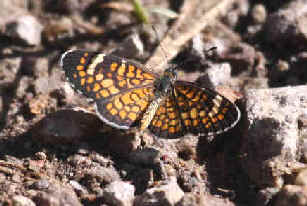
  255. Southern Cloudywing ______ (PE:31)(PW:36) (K:261)
    Thorybes bathylius

  256. Northern Cloudywing ______ (PE:31)(PW:36) (K:261)
    Thorybes pylades
    (In LRGV: very rare, probably a stray from the north in the spring)

  257. Confused Cloudywing ______ (PE:31) (K:261)
    Thorybes confusis

  258. Drusius Cloudywing ______ (PW:37)(PWp:386) (K:263) (a mostly Mexican species, in TX locally in the Big Bend area)
    Thorybes drusius


    Genus PHOCIDES

  259. Beautiful Beamer ______
    Phocides belus
    (In LRGV: very rare, with a single April 2003 record)

  260. Guava Skipper ______ (PE:30) (K:267) (in US, only in south Texas, where it is uncommon)
    Phocides palemon
    (In LRGV: widespread, but uncommon, year-round, more common in the fall) 


    Genus URBANUS: LONG-TAILED SKIPPERS
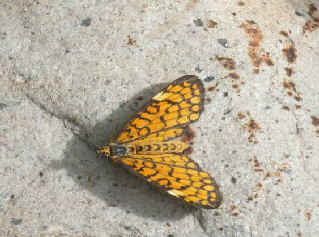
     
  261. Long-tailed Skipper ______ (PE:30)(PW:35) (K:269)
    Urbanus proteus
    (In LRGV: widespread, but uncommon, year-round)
  262. Pronus Longtail (has been called Short-tailed Green Longtail) ______ (PE:text)
    Urbanus pronus
    (In LRGV: very rare, recorded only once in October)

  263. Double-striped Longtail ______ (as info: "the most frequently encountered green-bodied Urbanus species in most of Mexico")
    Urbanus belli
    (In LRGV: one historical sighting only in June 1968 in Brownsville)

  264. Esmeralda Longtail ______ (PE:text)
    Urbanus esmeraldus
    (In LRGV: very rare, recorded only in August)  

  265. Dorantes Longtail ______ (PE:30)(PW:36) (K:269) 
    Urbanus dorantes
    (In LRGV: widespread, but uncommon, year-round)  

  266. Brown Longtail ______ (PE:30)(PW:36) (K:269) (in US, only resident in south Texas, has strayed from Mexico to s. California, s. Arizona & s. New Mexico.) 
    Urbanus procne
    (In LRGV: widespread & common year-round)

  267. Teleus Longtail ______ (K:269) (in US, only in far-south Texas, where it is common)
    Urbanus teleus
    (In LRGV: rare, from May to January)
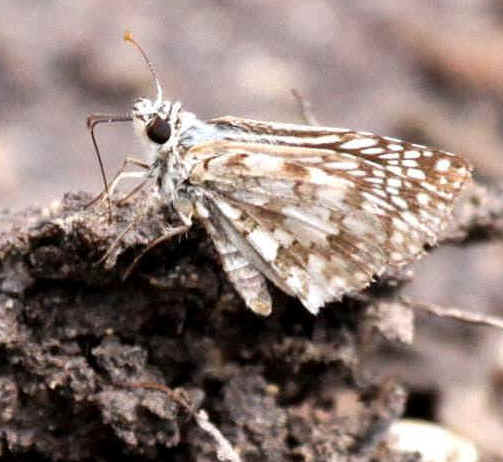
  268. Tanna Longtail ______ (PE:text)
    Urbanus tanna
    (In LRGV: very rare in June & December)

  269. Plain Longtail ______ (PE:text)(PW:36) 
    Urbanus simplicius 
    (In LRGV: very rare, recorded on in April)

  270. White-tailed Longtail ______ (PE:30) (K:271) (strays rarely from Mexico to south Texas; in TX reported spring and fall.)
    Urbanus doryssus
    (In LRGV: very rare, from March to July & in October -November)


    Genus CHIOIDES 

  271. White-striped Longtail ______ (PE:30) (PW:35) (K:271) (in TX, in the south, where it is regular)
    Chioides catillus
    (In LRGV: widespread, but uncommon, year-round)

  272. Zilpa Longtail ______ (PE:30)(PW:35) (K:271) (strays regularly from Mexico to south Texas)
    Chioides zilpa
    (In LRGV: widespread, but occasional, in March-April & from September to November)  


    Genus TYPHEDANUS

  273. Mottled Longtail ______ (PE:30) (K:271) (strays rarely from Mexico to south Texas)
    Typhedanus undulatus
    (In LRGV: very rare, with only historical records from August to November) 


    Genus POLYTHRIX

  274. Eight-spotted Longtail ______ (PE:30) (K:271) (strays rarely from Mexico to south Texas; in TX recorded spring to fall.)  
    Polythrix octomaculata
    (In LRGV: very rare, in March, & September-October)

  275. Mexican Longtail ______ (PE:text)(PW:35) (K:271) (strays rarely from Mexico to south Texas)  
    Polythrix mexicanus
    (In LRGV: very rare, in July & October)


    Genus ZESTUSA

  276. Short-tailed Skipper ______  (PW:35) (in TX, only in the west)
    Zestusa dorus


    Genus AGUNA

  277. Gold-spotted Aguna _____ (PE:30)(PW:35) (K:273) (strays occasionally from Mexico to south Texas)
    Aguna asander
    (In LRGV: rare, from April to January)

  278. Emerald Aguna ______ (PE:text)
    Aguna claxon
    (In LRGV: rare, recorded in January & October-November) 

  279. Tailed Aguna ______ (PE:30) (K:273) (strays rarely from Mexico to south Texas) 
    Aguna metophis
    (In LRGV: occasional, from August to January) 


    Genus PROTEIDES

  280. Mercurial Skipper ______ (PE:30)(PW:text) (K:273) (strays rarely from the tropics)
    Proteides mercurius
    (In LRGV: rare, recorded in April & October) 


    Genus EPARGYREUS

  281. Broken Silverdrop ______ (K:273) (strays rarely from Mexico to south Texas)
    Epargyreus exadeus
    (In LRGV: very rare, recorded only in October)


    Genus POLYGONUS

  282. Hammock Skipper ______ (PE:30)(PW:35) (K:267) (strays regularly from Mexico)
    Polygonus leo
    (In LRGV: very rare, in March, April, & from September to November)

  283. Manuel's Skipper ______ (PE:text)
    Polygonus manueli
    (In LRGV: historical sightings only, from August to October)


    Genus SYSTASEA

  284. Arizona Powdered-Skipper ______  (PW:37) (K:275)
    Systasea zampa

  285. Texas Powdered-Skipper ______  (PW:37) (K:275) 
    Systasea pulverulenta 


    Genus ACHYLODES

  286. Sickle-winged Skipper ______ (K:275) 
    Achylodes thraso


    Genus GORGYTHION

  287. Variegated Skipper ______ (PE:text) (K:275) (strays rarely from Mexico to far-southern Texas)
    Gorgythion begga


    Genus PELLICIA

  288. Glazed Skipper ______ (PE:31) (K:275) (a periodic stray from Mexico to south Texas; in TX reported March to December.)
    Pellicia arina

  289. Confused Pellicia ______ (PE:text) (strays rarely from Mexico to south Texas)
    Pellicia angra

  290. Morning Glory Pellica ______ (PE:text) (strays very rarely from Mexico to south Texas)
    Pellicia dimidiata


    Genus NISONIADES

  291. Purplish-black Skipper ______ (PE:text) (K:275) (strays rarely from Mexico to south Texas; in TX recorded in the fall.)
    Nisoniades rubescens


    Genus TIMOCHARES

  292. Brown-banded Skipper ______ (PE:32)(PW:37) (K:277) (a mostly Mexican species, in TX resident in the south, strays further north.)
    Timochares ruptifasciatus


    Genus CABARES

  293. Potrillo Skipper ______ (PE:31) (K:277) (a mostly Mexican species, in TX resident in the south, strays further north.)
    Cabares potrillo
    (In LRGV: uncommon, from April to February) 


    Genus GRAIS

  294. Hermit Skipper _____ (PE:32)(PW:37) (K:277) (a Mexican species that strays to south Texas; in TX reported spring to fall.)
    Grais stigmatica


    Genus SPATHILEPIA

  295. Falcate Skipper ______ (PE:31) (K:277) (a Mexican species, periodically found in far-south Texas)
    Spathilepia clonius
    (In LRGV: rare, from May to July & October to December)


    Genus CELAENORRHINUS 

  296. Fritgaertner's Flat ______ (PE:text)(PW:37) (K:277) (strays rarely from Mexico to far-south TX) 
    Celaenorrhinus fritzgaertneri
    (In LRGV: very rare, in February, July, September, & November)

  297. Stalling's Flat ______ (PE:31) (K:277) (a stray from Mexico to south Texas; in TX recorded spring to fall.)    
    Calaenorrhinus stallingsi
    (In LRGV: very rare, in June, August, & from October to December) 


    Genus ASTRAPTES: FLASHERS

  298. Two-barred Flasher ______ (PE:30)(PW:36) (K:279) (a mostly Mexican species, regular at times in south Texas) 
    Astraptes fulgerator
    (In LRGV: widespread, but occasional and somewhat sporadic. Records exist for every month except February. In some years, present in good numbers, but rare or absent in others.)   

  299. Frosted Flasher (has been called White Flasher) _______ (PE:text) (K:279)
    Astraptes alardus
    (In LRGV: very rare, in June, and September-October)

  300. Gilbert's Flasher (Other names include Hopffer's Flasher and Mad Flasher) ______ (PE:text) (K:279)
    Astraptes gilberti
    (In LRGV: very rare, recorded only in March & October)

  301. Small-spotted Flasher ______ (PE:text) (K:279)
    Astraptes egregius
    (In LRGV: very rare, recorded only in October)

  302. Yellow-tipped Flasher (Other names include Yellow Flasher and Dull Astraptes) ______ (PE:text) (K:279)
    Astraptes anaphus
    (In LRGV: rare, recorded in April & from September to November) 


    Genus ERYNNIS: TRUE DUSKYWINGS

  303. Juvenal's Duskywing ______ (PE:32)(PW:38) (K:281) 
    Erynnis juvenalis

  304. Horace's Duskywing ______ (PE:32)(PW:38) (K:281)
    Erynnis horatius

  305. Zarucco Duskywing ______ (PE:32) (K:281)
    Erynnis zarucco

  306. Funereal Duskywing ______ (PE:32)(PW:38) (K:281)
    Erynnis funeralis

  307. Meridian Duskywing ______ (PE:32)(PW:38) (K:283) 
    Erynnis meridianus

  308. Mournful Duskywing ______ (PE:text)(PW:38) (K:283)
    Erynnis tristis

  309. Sleepy Duskywing ______ (PE:32)(PW:38) (K:285) (in the spring, not the summer)
    Erynnis briza

  310. Rocky Mountain Duskywing ______  (PW:38) (K:285) (in TX, in the far-west)
    Erynnis telemachus

  311. Wild Indigo Duskywing ______ (PE:32)(PW:38) (K:287)
    Erynnis baptisiae

  312. Mottled Duskywing ______ (PE:32)(PW:38) (K:287) (in TX, in the northeast) 
    Erynnis martialis  

  313. Scudder's Duskywing ______  (PW:38)  (in TX, in the west)
    Erynnis scudderi


    Genus GESTA

  314. False Duskywing ______ (PE:32)(PW:37) (K:287)
    Gesta gesta


    Genus PYRGUS: CHECKERED-SKIPPERS

  315. Common Checkered-Skipper ______ (PE:33)(PW:39) (K:289) (can not be distinguished in the field from the White Checkered-Skipper)
    Pyrgus communis 

  316. White-checkered Skipper ______  (PW:39) (K:289) (recently determined to be species distinct from the Common Checkered-Skipper
    Pyrgus albescens

  317. Tropical Checkered-Skipper ______ (PE:33)(PW:39) (K:289) 
    Pyrgus oileus

  318. Desert Checkered-Skipper ______ (PE:33)(PW:39) (K:289) (along TX-MX border)
    Pyrgus philetas

  319. Small Checkered-Skipper ______  (PW:39) (K:291) (in TX, in far-west)
    Pyrgus scriptura


    Genus HELIOPETES: WHITE-SKIPPERS

  320. Erichson's White-Skipper ______ (PE:33)(PW:39) (K:293) 
    Heliopyrgus domicella

  321. Laviana White-Skipper ______ (PE:33)(PW:39) (K:293) (a mostly Mexican species; in TX, in the south)
    Heliopetes laviana 

  322. Turk's-Cap White-Skipper ______ (PE:33) (K:293)  
    Heliopetes macaira