PO Box 9021, Wilmington, DE 19809, USA
E-mail: font@focusonnature.com
Phone: Toll-free in USA 1-800-721-9986
 or 302/529-1876; Fax: 302/529-1085


Sweden Birds 
during FONT Birding 
& Nature Tours
 

1996 thru 2007

From 1996 to 2002, this tour was during the first week of October. 
In 2006 & 2007, it was the last week in September. 


The following list compiled by Armas Hill


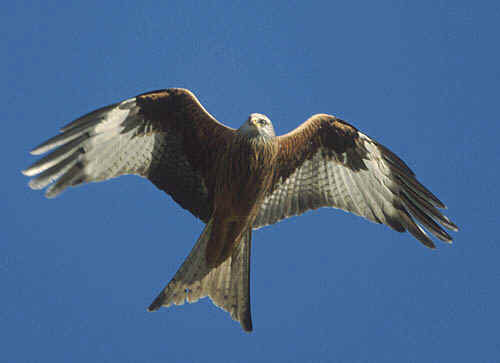
Photo at right: RED KITE

The following is a cumulative list of the birds that have been found 
during FONT tours in southern Sweden, totaling 179 species. 
With this tour, it's not so much a big number of species, as it is a big number of birds, during a spectacular migration.

Swedish bird-names follow the English names in the first line.

Codes:

(i): introduced in Europe

(t): a globally threatened or rare species, designated by Birdlife International
 (t1): critical 
 (t2): endangered 
 (t3): vulnerable
(nt): a near-threatened species globally


(SWr): rare in Sweden


FS:  in the area of Falsterbo & Skanor in far-southern Sweden
OL:  on Oland Island, in the Baltic, off the coast of southeast Sweden  

sep:  in September
oct:   in October


LISTS RELATING TO MAMMALS & OTHER WILDLIFE IN SWEDEN 
FOLLOWS THE BIRD-LIST BELOW.


Links:

Upcoming Birding & Nature Tours in Sweden

Cumulative List of Birds during FONT Tours in Europe

A  Feature of Photos from the FONT Sweden Tour in September 2007

Directory of Photos in this Website, in this list & others


Bird-List:


  1. Western Capercaille  (Tjäder)  ______
    Tetrao u. urogallus

  2. Grey Partridge  (Rapphöna)  ______  OI  sep
    Perdix p. perdix 

  3. Common Pheasant  (Fasan)  ______  FS OI sep
    Pasianus colchicus

  4. Mute Swan  (Knölsvan)  ______  FS OI sep
    Cygnus olor 
    (monotypic)


    Mute Swans are commonly seen during FONT tours in Sweden,
    where they are native residents.
    (photo by Howard Eskin)

  5. Whooper Swan  (Sångsvan)  ______
    Cygnus cygnus 
    (monotypic)

  6. "Bewick's" Tundra Swan  (Mindre sångsvan)  ______
    Cygnus columbianus bewickii

  7. Greylag Goose  (Grågås)  ______  FS OI sep
    Anser a. anser

  8. Bean Goose  (Sädgås)  ______
    Anser fabilis

  9. Greater White-fronted Goose (Bläsgås)  ______  OI sep
    Anser a. albifrons

  10. Brant Goose  (Prutgås)  ______  OI sep  (has been called Brent Goose in Europe)
    Branta b. bernicla 


    Brant Geese on Oland Island during the FONT tour on Oland Island
    in September 2007
    (photo by James Scheib)

  11. Barnacle Goose  (Vitkindad gås)  ______  FS OI sep
    Branta leucopsis 
    (monotypic)


    Just one of many Barnacle Geese seen during the FONT Sweden tour
    in September 2007
    (photo by James Scheib)

  12. Canada Goose (i) (Kanadagås)  ______  FS OI sep
    Branta canadensis

  13. Red-breasted Goose (t3)  (Rödhalsad gås)  ______  OI
    Branta ruficollis 
    (monotypic)

  14. Egyptian Goose (i) (SWr) (Nilgas)  ______  OI sep  (1 during FONT tour in 2007)
    Alopochen aegyptiaca 
    (monotypic, and the single member of its genus)

  15. Common Shelduck  (Gravand)  ______  FS OI
    Tadorna tadorna 
    (monotypic)

  16. Mallard  (Gräsand)  ______  FS OI sep
    Anas p. platyrhynchos

  17. Gadwall  (Snatterand)  ______  FS OI sep
    Anas strepera 
    (monotypic)

  18. Eurasian Wigeon  (Bläsand)  ______  FS OI sep
    Anas penelope 
    (monotypic)

  19. Eurasian Teal  (Kricka) ______  OI
    Anas c. crecca

  20. Northern Pintail  (Stjärtand)  ______  FS OI sep
    Anas acuta 
    (monotypic)

  21. Northern Shoveler  (Skedand)  ______  FS OI sep
    Anas clypeata  (monotypic)

  22. Common Pochard  (Brunand)  ______  FS sep
    Aythya ferina 
    (monotypic)


    A Common Pochard photographed during the FONT Sweden tour
    in September 2007
    (photo by James Scheib)


  23. Tufted Duck  (Vigg)  ______  FS OI sep
    Aythya fuligula 
    (monotypic)

  24. Greater Scaup  (Bergand)  ______  FS sep
    Aythya m. marila

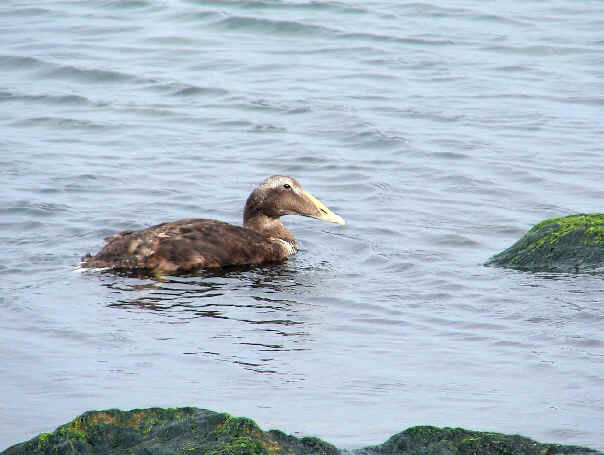
  25. Common Eider  (Ejder)  ______  FS OI sep
    Somateria m. mollissima


    A female Common Eider photographed during 
    the September 2007 FONT Sweden tour
    (photo by James Scheib)
     

  26. Steller's Eider  (Alforradare)  ______  OI  sep  (1 during FONT tour in 2006)
    Polysticta stelleri (monotypic, and the single member of its genus)


    An immature male Steller's Eider, photographed on Oland Island 
    during the FONT tour in September 2006
    (photo by Claude Bloch)  

  27. Velvet Scoter  (Swärta)  ______  (was conspecific with the White-winged Scoter of North America & eastern Asia)
    Melanitta fusca

  28. Common Goldeneye (Knipa)  ______  FS OI sep
    Bucephala c. clangula

  29. Common Merganser  (Storskrake)  ______  (has been called Goosander in Europe) Goosander in Europe)
    Mergus m. merganser

  30. Red-breasted Merganser  (Småskrake)  ______  FS OI sep
    Mergus serrator 
    (monotypic)

  31. Red-throated Loon  (Smalom)  ______  FS sep  (has been called Red-throated Diver in Europe) 
    Gavia stellata 
    (monotypic)

  32. Black-throated Loon  (Storlom)  (Ev)  ______  OI sep  (has been called Black-throated Diver in Europe, and Arctic Loon in North America)
    Gavia a. arctica

  33. Northern Fulmar  (Stormfågel)  ______
    Fulmarus glacialis auduboni

  34. Great Crested Grebe  (Skäggdopping)  ______  FS OI sep
    Podiceps c. cristatus

  35. Red-necked Grebe (Gråhakedopping)  ______
    Podiceps g. grisegena

  36. Horned Grebe  (Svarthakedopping)  ______  OI sep  (has been called Slavonian Grebe in Europe)
    Podiceps a. auritus

     
  37. Little Grebe ("Dabchick")  (Smådopping)  ______  FS OI sep
    Tachybaptus r. ruficollis


    Little Grebe

  38. Grey Heron  (Häger)  ______  FS OI sep
    Ardea c. cinerea

  39. Great Egret (SWr)  (Ägretthäger)  ______
    Ardea a. alba

  40. Great Cormorant  (Storskarv)  ______  FS OI sep
    Phalacrocorax c. carbo

  41. Peregrine Falcon  (Pilgrimsfalk)  ______  OI sep
    Falco p. peregrinus

  42. Eurasian Hobby  (Lärkfalk)  ______  FS OI sep
    Falco s. subbuteo

  43. Merlin  (Stenfalk)  ______  OI sep
    Falco columbarius aesalon

  44. Eurasian Kestrel  (Tornfalk)  ______  FS OI sep
    Falco t. tinnunculus

  45. Osprey  (Fiskgjuse)  ______
    Pandion h. haliaetus 
    (the single member of its genus)

  46. White-tailed Eagle (nt)  (Havsörn)  ______  FS OI sep (has also been called White-tailed Fish-Eagle)
    Haliaeetus a. albicilla

  47. Red Kite  (Rod Glada)  ______  FS sep
    Milvus m. milvus

  48. Black Kite  (Brun Glada)  ______  FS sep
    Milvus m. migrans

  49. Eurasian Sparrowhawk  (Sparvhök)  ______  FS OI sep
    Accipiter n. nisus


    Eurasian Sparrowhawk
    (photo by Jens Bruun)

  50. Northern Goshawk  (Duvhök)  ______  FS OI sep
    Accipiter g. gentilis

  51. Common Buzzard  (Ormvråk)  ______  FS OI sep
    Buteo b. buteo


    A dark-morph Common Buzzard photographed in flight over Falsterbo
    (photo by James Scheib during the FONT Sweden tour in September 2007)

  52. Roughleg  (Fjällvråk)  ______  FS  (has been called Rough-legged Buzzard in Europe, and Rough-legged Hawk in North America)
    Buteo l. lagopus

  53. European Honey Buzzard  (Bivråk)  ______  FS sep
    Pernis apivorus 
    (monotypic)

  54. Golden Eagle  (Kungsörn)  ______
    Aquila c. chrysaetos  

  55. Greater Spotted Eagle (t3) (SWr)  (Större skrikörn)  ______
    Aquila clanga 
    (monotypic)

  56. Lesser Spotted Eagle  (SWr)  (Mindre skrikörn)  ______  OI sep
    Aquila p. pomarina

  57. Western Marsh Harrier  (Brun kärrhök)  ______  FS OI sep  (was conspecific with what's now the Eastern Marsh Harrier)
    Circus aeruginosus  

  58. Northern Harrier  (Blå kärrhök)  ______  FS OI sep  (in Europe has been called Hen Harrier)
    Circus c. cyaneus

  59. Water Rail  (Vattenrall)  ______
    Rallus a. aquaticus

  60. Spotted Crake  (Småfläckig sumphöna)  ______  FS
    Porzana porzana 
    (monotypic)


    Spotted Crake, seen during FONT's Sweden tour in October 2000
    (photo by Tommy Holmgren on a video through a telescope.)
    This was the first Spotted Crake in that part of Sweden since 1985!

  61. Common Moorhen  (Rörhöna)  ______  FS sep
    Gallinula c. chloropus

  62. Eurasian Coot  (Sothöna)  ______  FS OI sep
    Fulica a. atra

  63. Common Crane  (Trana)  ______  OI sep
    Grus g. grus


    A family of Common Cranes in flight at Oland Island, 
    with a single young bird following the adults
    (photo by James Scheib during the Sept 2007 FONT Sweden tour)

  64. Eurasian Oystercatcher  (Strandskata)  ______
    Haematopus o. ostralegus

  65. Pied Avocet  (Skarflacka) _____  FS OI sep
    Recurvirostra avosetta 
    (monotypic)

  66. Common Ringed Plover  (Större strandpipare)  ______  OI sep
    Charadrius h. hiaticula

  67. European Golden Plover  (Ljungpipare)  ______  FS OI sep
    Pluvialis a. apricaria

  68. Grey (or Black-bellied) Plover  (Kustpipare)  ______  OI sep
    OI sep
    Pluvialis s. squatarola

  69. Northern Lapwing  (Tofsvipa)  ______  FS OI sep
    Vanellus vanellus 
    (monotypic)


    Northern Lapwing
    (photo by Matt Orsie)

  70. Eurasian Dotterel  (Fjällpipare)  ______  OI
    Charadrius
    (formerly Eudromias) morinellus  (monotypic)


    Eurasian Dotterel
    (photo by Janos Olah, Jr.)


  71. Common Sandpiper  (Drillsnappa)  _______  FS sep
    Actitis hypoleucos 
    (monotypic)

  72. Curlew Sandpiper  (Spovsnäppa)  ______
    Calidris ferruginea 
    (monotypic)

  73. Dunlin  (Kärrsnäppa)  ______  FS OI sep
    Calidris alpina schrinzii

  74. Little Stint  (Småsnäppa)  ______
    Calidris minuta 
    (monotypic)

  75. Pectoral Sandpiper  (SWr)  (Tuvsnappa)  ______  OI sep  (1 during the FONT tour in 2006)
    Calidris melanotos  (monotypic)

  76. Red Knot  (Kustsnäppa)  ______  FS sep
    Calidris c. canutus

  77. Common Redshank  (Rödpena)  ______  FS OI sep
    Tringa totanus robusta 
    (wintering subspecies that breeds in Iceland)  

  78. Spotted Redshank  (Svartsnäppa)  ______  FS sep
    Tringa erythropus 
    (monotypic)   

  79. Common Greenshank  (Gluttsnäppa)  ______  FS OI sep
    Tringa nebularia 
    (monotypic)

  80. Ruff / Reeve  (Brushane)  ______  FS OI sep
    Philomachus pugnax 
    (monotypic, and the single member of its genus) 

  81. Eurasian Curlew  (Storspov)  ______  FS OI sep
    Numenius a. arquata

  82. "Eurasian" Whimbrel  (Smaspov) ______  FS OI sep
    Numenius p. phaeopus

  83. Bar-tailed Godwit  (Myrspov)  ______  OI sep
    Limosa l. lapponica

  84. Jack Snipe  (Dvärgbeckasin)  _____ FS
    Lymnocryptes minimus 
    (monotypic, and the single member of its genus)

  85. Common Snipe  (Enkelbeckasin)  ______
    Gallinago g. gallinago

  86. Pomarine Skua  (Bredstjärtad)  ______  (in North America has been called Pomarine Jaeger
    Stercorarius pomarinus 
    (monotypic)


  87. Common Black-headed Gull  (Skrattmös)  ______  FS OI sep
    Larus ridibundus 
    (monotypic)


    Common Black-headed Gull
    (photo by Armas Hill)

  88. Sabine's Gull  (Tärnmås)  ______
    Xema
    (formerly Larus) sabini  (monotypic, and the single member of its genus) 

  89. "Scandanavian" Herring Gull  (Gråtrut)  ______  FS OI sep
    Larus argentatus

  90. Caspian (or "Pontic") Gull (SWr)  ______  OI sep  (has been part of the Yellow-legged Gull) (1 during FONT tour in 2006)
    Larus (cachinnans) cachinnans

  91. Lesser Black-backed Gull  (Silltrut)  ______  FS sep
    Larus f. fuscus  ("Baltic Gull")

  92. Great Black-backed Gull  (Havstrut)  ______  FS OI sep
    Larus marinus 
    (monotypic)

  93. Mew Gull  (Fiskmås)  ______  FS OI sep  (has been called Common Gull in Europe)
    Larus c. canus

  94. Black-legged Kittiwake  (Tretåig mås)  ______
    Rissa tridactyla 
    (monotypic)

  95. Sandwich Tern  (Kentsk tärna)  ______  FS sep
    Thalasseus
    (formerly Sterna) s. sandvicensis

  96. Common Tern  (Fisktärna)  ______
    Sterna h. hirundo

  97. Arctic Tern  (Silvertärna)  ______
    Sterna paradisaea 
    (monotypic)

  98. Common Murre  (Sillgrissla)  ______  (in Europe has been called Guillemot)
    Uria a. aalge

  99. Black Guillemot  (Tobisgrissia)  ______  OI sep
    Cepphus g. grylle

  100. Common (or Feral) Pigeon (i)  (Klippduva)  ______  FS OI sep
    Columba livia

  101. Stock Pigeon (Skogsduva)  ______  FS sep  (has been called Stock Dove)
    Columba o. oenas


  102. Common Wood Pigeon  (Ringduva)  ______  FS OI sep
    Columba p. palumbus

  103. Eurasian Collared Dove  (Turkduva)  ______  FS OI sep
    Streptopelia d. decaocto

  104. Tawny Owl  (Kattuggla)  ______
    Strix a. aluco

  105. Short-eared Owl (Jorduggla)  ______
    Asio f. flammeus

  106. Common Swift  (Tornseglare)  ______  FS sep
    Apus a. apus

  107. Common Kingfisher  (Kungsfiskare)  ______
    Alcedo atthis ispida


    Common Kingfisher

  108. Black Woodpecker  (Spillkråka)  ______  FS sep
    Dryocopus martius


    A Black Woodpecker in flight, oddly over the golf course at Falsterbo,
    the southernmost point in Sweden. 
    The bird did not continue across the Baltic, but turned back.
    (photo during the Sept 2007 FONT Sweden tour by James Scheib)
         
  109. European Green Woodpecker (Gröngöling)  ______  OI sep
    Picus v. viridis

  110. Great Spotted Woodpecker  (Större hackspett)  ______  OI sep
    Dendrocopos m. major

  111. Lesser Spotted Woodpecker  (Mindre hackspett)  ______  OI sep
    Dendrocopos m. minor

  112. Northern Grey Shrike  (Varfågel)  ______  FS sep  (has been called Great Grey Shrike; conspecific with Northern Shrike of North America)
    Lanius e. excubitor


  113. Eurasian Jay  (Nötskrika)  ______ FS sep
    Garrulus g. glandarius

  114. Spotted Nutcracker  (Nötkråka)  ______  OI sep
    Nucifraga c. caryocatactes

  115. Eurasian Magpie  (Skata)  ______  FS OI sep  (was conspecific with the Black-billed Magpie of North America) 
    Pica p. pica

  116. Northern Raven  (Korp)  ______  OI sep
    Corvus c. corax

  117. Rook  (Råka)  ______  FS OI sep
    Corvus f. frugilegus


    A Rook photographed during the September 2007 FONT Sweden tour
    (photo by James Scheib)

  118. Hooded Crow  (Kråka)  ______  FS OI sep
    Corvus cornix


    2
    Corvids at once during the September 2007 FONT Sweden tour:
    the Eurasian Magpie (left); the Hooded Crow
    (right)
    (photo by James Scheib)

     
  119. Western Jackdaw  (Kaja)  ______  FS OI sep
    Corvus m. monedula


    Western Jackdaw 
    (photographed by James Scheib during the Sept 2007 FONT Sweden tour)

  120. Great Tit  (Talgoxae)  ______  FS OI sep
    Parus m. major

  121. Blue Tit  (Blåmes)  ______  FS OI sep
    Cyanistes (formerly Parus) c. caeruleus


    Blue Tit
    (photographed by James Scheib during the Sept 2007 FONT Sweden tour)

  122. Coal Tit  (Svartmes)  ______  OI sep
    Periparus (formerly Parus) a. ater

  123. Marsh Tit  (Entita)  ______  OI sep
    Poecile (formerly Parus) p. palustris

  124. European Crested Tit  (Tofsmes)  ______
    Lophophanes
    (formerly Parus) c. cristatus

  125. Common House Martin  (Hussvala)  ______  FS sep
    Delichon u. urbicum

  126. Barn Swallow  (Ladusvala)  ______  FS OI sep
    Hirundo r. rustica

  127. Long-tailed Bushtit  (Stjärtmes)  ______  OI sep  (has been called Long-tailed Tit)
    Aegithalos c. caudatus

  128. Wood Lark  (Trädlärka)  ______  FS sep
    Lullula arborea  (monotypic)

  129. Eurasian Skylark  (Sånglärka)  ______  FS OI sep
    Alauda a. arvensis

  130. Eurasian Blackcap  (Svarthätta)  ______  OI sep
    Sylvia a. atricapilla

  131. Willow Warbler  (Lövsångare)  ______
    Phylloscopus t. trochilus

  132. Common Chiffchaff  (Gransångare)  ______  FS sep
    Phylloscopus collybita

  133. Wood Warbler  (Grönsångare)  ______
    Phylloscopus sibilatrix

  134. Yellow-browed Warbler (SWr)  (Vitbrynad sångare)  ______  OI sep oct  (was conspecific with the Hume's Leaf Warbler) (single birds during FONT tours in 1999 & 2006)
    Phylloscopus inornatus 


    Yellow-browed Warbler
    (photo by Tommy Holmgren)
    This bird, from Siberia & rare in western Europe, was seen
    during FONT tours in Sweden in Oct 1999 & Sep 2006. 


  135. Goldcrest  (Kungsfågel)  ______  OI sep
    Regulus r. regulus


    Goldcrest
    (photo by James Scheib, during the Sept 2007 FONT Sweden tour)
     
  136. Northern (or Winter) Wren  (Gärdsmyg)  ______  FS sep
    Troglodytes t. troglodytes


  137. Eurasian Nuthatch  (Nötväcka)  ______
    Sitta europaea caesia

  138. Eurasian Treecreeper  (Trädkrypare)  ______
    Certhia f. familiaris

  139. Common Starling  (Stare)  ______  FS OI sep
    Sturnus vulgaris

  140. Rosy Starling  (SWr)  (Rosenstare)  ______  OI sep  (1 during FONT tour in 2007)
    Sturnus Roseus

  141. Common Blackbird  (Koltrast)  ______  FS OI sep
    Turdus m. merula

  142. Fieldfare  (Björktrast)  ______  OI sep
    Turdus pilaris

  143. Redwing  (Rödvingetrast)  ______
    Turdus i. iliacus

  144. Song Thrush  (Taltrast)  ______  FS OI sep
    Turdus philomelos

  145. Mistle Thrush (Dubbeltrast)  ______  FS OI sep
    Turdus v. viscivorus

  146. Whinchat  (Buskskvätta)  ______  OI sep
    Saxicola rubetra

  147. Northern Wheatear  (Stenskvätta)  ______  FS OI sep
    Oenanthe o. oenanthe

  148. Black Redstart  (Svart rödstjärt)  ______  FS sep
    Phoenicurus ochruros gibraltariensis


    A female Black Redstart, a migrant photographed during the Sept 07 FONT Sweden Tour
    (photo by James Scheib)
       
  149. Common Redstart  (Rödstjärt)  ______  
    Phoenicurus p. phoenicurus

  150. European Robin  (Rödhake)  ______  FS OI sep
    Erithacus r. rubecula


    European Robin
    (photo by Jens Bruun)

  151. European Pied Flycatcher  (Startvit flugsnappare)  ______  OI sep
    Ficedula h. hypoleuca


    A female European Pied Flycatcher, a migrant photographed during the Sept 07 FONT Sweden tour
    (photo by James Scheib)
      
  152. Red-breasted Flycatcher  (SWr)  (Liten flugsnappare)  ______  OI sep (1 during FONT tour in 2006)
    Ficedula parva

  153. House Sparrow  (Gråsparv)  ______  FS OI sep
    Passer d. domesticus

  154. Eurasian Tree Sparrow  (Pilfink)  ______  FS OI sep  (in photo below with Yellowhammer)
    Passer m. montanus

  155. Dunnock  (Järnsparv)  ______  FS sep  (an alternate name is Hedge Accentor)
    Prunella m. modularis


  156. Tree Pipit  (Trädpiplärka)  ______  FS sep
    Anthus t. trivialis


  157. Meadow Pipit   (Ängspiplärka)  ______  FS OI sep
    Anthus p. pratensis

  158. Eurasian Rock Pipit  (Skarpiplarka) ______  FS OI sep
    Anthus petrosus littoralis

  159. Richard's Pipit  (SWr)  (Storre piplarka)  ______  OI sep
    Anthus richardi

  160. White Wagtail  (Sädesärla)  ______  FS OI sep
    Motacilla a. alba


    A White Wagtail photographed during the Sept 07 FONT Sweden tour
    (photo by James Scheib)

  161. Yellow Wagtail (grey-headed form)  (Gulärla)  ______  FS sep
    Motacilla flava thunbergi

  162. Grey Wagtail  (Forsärla)  ______  FS sep
    Motacilla c. cinerea

  163. Common Chaffinch  (Bofink)  ______  FS OI sep
    Fringilla c. coelebs

  164. Brambling  (Bergfink)  ______  FS OI sep
    Fringilla montifringilla 
    (monotypic)

  165. European Serin  (Gulhampling)  ______  FS sep
    Serinus serinus

  166. European Goldfinch  (Steglits)  ______  FS OI sep
    Carduelis carduelis

  167. Eurasian Siskin  (Grönsiska)  ______  FS OI sep
    Carduelis spinus


    A female Eurasian Siskin, photographed during a FONT tour
    (photo by Paul West)
     

  168. European Greenfinch (Grönfink)  ______  FS OI sep
    Carduelis chloris 

  169. Hawfinch  (Stenknäck)  ______
    Coccothraustes coccothraustes


  170. Common Redpoll (Gråsiska)  ______  FS sep
    Carduelis flammea cabaret 
    ("Lesser Redpoll')

  171. Eurasian Linnet  (Hämpling)  ______  FS OI sep
    Carduelis c. cannabina

  172. Eurasian Bullfinch  (Domherre)  ______
    Pyrrhula p. pyrrhula

  173. Red Crossbill  (Mindre kornsäbb)  ______  (has also been called Common Crossbill)
    Loxia c. curvirostra


  174. Parrot Crossbill  (Större kornsäbb)  ______
    Loxia pytyopsittacus

  175. Two-barred Crossbill  (Bandelkorsnabb)  _____  (has been called White-winged Crossbill in North America)
    Loxia leucoptera

  176. Snow Bunting  (Snosparv)  ______  OI sep
    Plectrophenax n. nivalis


    A Snow Bunting, as seen during the Sept 07 FONT Sweden tour

  177. Corn Bunting  (Kornsparv) ______  FS OI sep
    Emberiza
    (formerly Miliaria) c. calandria

  178. Yellowhammer  (Gulsparv)  ______  OI sep
    Emberiza c. citrinella


    A Yellowhammer & an Eurasian Tree Sparrow on Oland Island
    during the September 2007 FONT Sweden Tour
    (photo by James Scheib)
     

  179. Common Reed Bunting  (Sävsparv)  ______  FS sep
    Emberiza s. schoeniclus


Mammals & Other Wildlife 
during FONT Tours
in
Sweden in the Fall


1996 thru 2007

(during the months of September & October)


A cumulative list compiled by Armas Hill 


Photo at right:
A MOOSE (called ELK in Europe, called ALG in Swedish)
(photographed during the September 2007 FONT tour in Sweden by James Scheib)

Codes:

FS:  in the area of Falsterbo & Skanor in far-southern Sweden
OL:  on Oland Island, in the Baltic, off the coast of southeast Sweden  

sep:  in September
oct:   in October

(i):  introduced species in Europe


Links:

Upcoming Birding & Nature Tours in Europe

Mammals & Other Wildlife in Europe


Mammals:

  1. Western Hedgehog ______  FS sep
    Erinaceus europaeus

  2. Common Pipistrelle  (Dvargfladdermus)  ______  OI sep
    Pipistrellus pipistrellus

  3. Red Deer  (Kronhjort)   ______  sep oct  (called Elk in North America)
    Cervus elaphus

  4. Western Roe Deer  (Radjur) ______  FS OI sep
    Capreolus capreolus

  5. Fallow Deer (i)  (Dovhjort)  ______ OI sep
    Dama dama


    Fallow Deer
    (photographed during the September 2007 FONT tour in Sweden
     by James Scheib) 


  6. Elk  (Alg)  ______  OI sep  (called Moose in North America)
    Alces alces

  7. Red Squirrel  ______ sep
    Sciurus vulgaris

  8. European Rabbit  (Vildkanin)  ______  FS sep
    Oryctolagus cuniculus

  9. European Hare  ______
    Lepus europaeus

     
  10. Stoat (or Ermine ______
    Mustela erminea

  11. Eurasian Badger  (Gravling)  ______ sep
    Meles meles 

  12. Gray Seal  ______  FS OI sep
    Halichoerus grypus

  13. Harbor Seal  (Knubbsal)  ______  FS OI sep
    Phoca vitulina


    Butterflies:


    Small White  ______  FS OI
    Artogeia rapae


    Small Copper  ______ FS OI
    Lycaena phlaeas


    Small Copper
    (photographed during the September 2007 FONT tour in Sweden
     by James Scheib)


    Painted Lady  ______  FS
    Cynthia cardui


    Red Admiral  ______  FS
    Vanessa atlantica


    Mammals (Daggdjur) 
    that have been recorded on 

    Oland Island, Sweden


    Codes: 

    Status in Europe:
    (t2):  endangered
    (t3):  vulnerable
    (nt): near-threatened 


    Western Hedgehog  
    Erinaceus europaeus

    Pygmy Shrew
    Sorex minutus

    Water Shrew
    Neomys fodiens 

    Common Shrew
    Sorex araneus

    Common Mole
    Talpa europaea

    Pond Bat  (t2) ______
    Myotis dasycneme

    Natterer's Bat  (t3) ______
    Myotis nattereri

    Common Pipistrelle
    Pipistrellus pipistrellus

    Soprano Pipistrelle ______ 
    (split from the Common Pipistrelle in 1999) 
    Pipistrellus pygmaeus

    Nathusius' Pipistrelle
    Pipistrellus nathusii

    Northern Bat
    Eptesicus nilssoni  

    Common Serotine
    Eptesicus serotinus

    Barbastelle Bat  (t2) ______
    Barbastella barbastellus

    Red Fox
    Vulpes vulpes

    Stoat
    Mustela erminea

    Weasel
    Mustela nivalis 

    Western Polecat
    Mustela putorius

    American Mink (i)
    Mustela vison 

    Pine Marten
    Martes martes

    Eurasian Badger
    Meles meles

    Otter
    Lutra lutra

    Harbor Seal  (t3) ______
    Phoca vitulina

    Ringed Seal  (t3) ______
    Phoca
    (formerly Pusa) hispida

    Grey Seal  (nt) ______
    Halichoerus grypus

    Harbor Porpoise
    Phocoena phocoena

    Wild Boar
    Sus scrofa

    Red Deer ______
    (called Elk in North America)
    Cervus elaphus

    Fallow Deer (i)
    Dama dama

    Elk  ______ 
    (called Moose in North America) 
    Alces alces

    Western Roe Deer
    Capreolus capreolus

    Red Squirrel
    Sciurus vulgaris

    Bank Vole
    Clethrionomys glareolus

    Northern Water Vole
    Arvicola terrestris

    Field Vole
    Microtus agrestis

    Wood Mouse
    Apodemus sylvaticus

    Yellow-necked Mouse
    Apodemus flavicollis

    Brown Rat (i)
    Rattus norvegicus

    House Mouse
    Mus Musculus

    Common Dormouse
    Musclardinus avellanarius

    Brown Hare
    Lepus europaeus

    Mountain Hare
    Lepus timidus

    European Rabbit
    Oryctolagus cuniculus