PO Box 9021, Wilmington, DE 19809, USA
E-mail: font@focusonnature.com
Phone: Toll-free in USA 1-800-721-9986
 or 302/529-1876; Fax: 302/529-1085


Butterflies in the region of 
the
Yucatan Peninsula 
of Mexico


Noting those found during FONT tours with an (*) 


List compiled by Armas Hill


Photo at right: a GULF FRITILLARY, Agraulis vanillae 
(photographed by Doris Potter) 


Butterfly names in the following list are generally those in the new book "A Swift Guide to the Butterflies of Mexico & Central America" by Jeffrey Glassberg, (Sunstreak Books, 2007). 
There are photographs of the butterflies in that book (approximately 3,250 photos).   


Links:


Upcoming Mexico Tour Itineraries

Birds of the Yucatan Region of Mexico

Mammals of Mexico

Amphibians & Reptiles of Mexico

Directory of Photos in this Website, in this list & others


a Variegated Fritillary

List of Butterflies:


          FAMILY PAPILIONIDAE: PARNASSIANS & SWALLOWTAILS 
         
(There are totally worldwide about 700 species of Swallowtails.) 

          Subfamily PAPILIONINAE


          Genus PARIDES 

  1. Emerald-patched Cattleheart ______
    Parides sesotris

  2. Montezuma's Cattleheart  ______  
    Parides montezuma

  3. Variable Cattleheart ______
    Parides erithalion


    Genus MIMOIDES

  4. Red-sided Swallowtail ______
    Mimoides phaon

  5. Dual-spotted Swallowtail ______
    Mimoides ilus branchus 


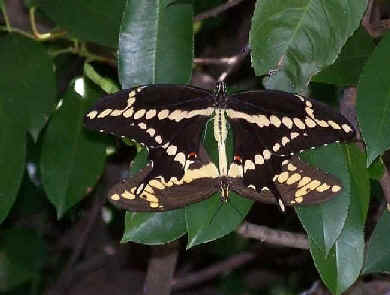
    Genus BATTUS:  Pipevine Swallowtails 

  6. Pipevine Swallowtail (*) ______   
    Battus philendor


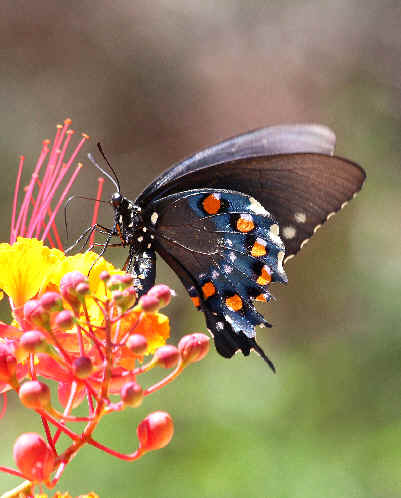
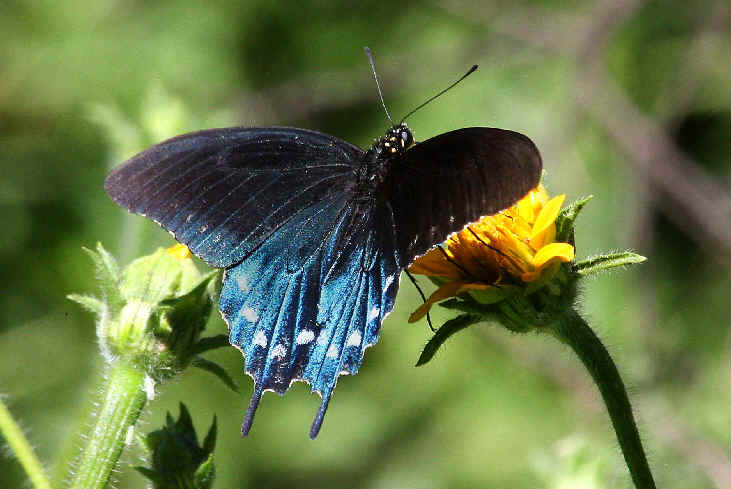
    Pipevine Swallowtails photographed during a FONT tour
    (photos by Doris Potter)

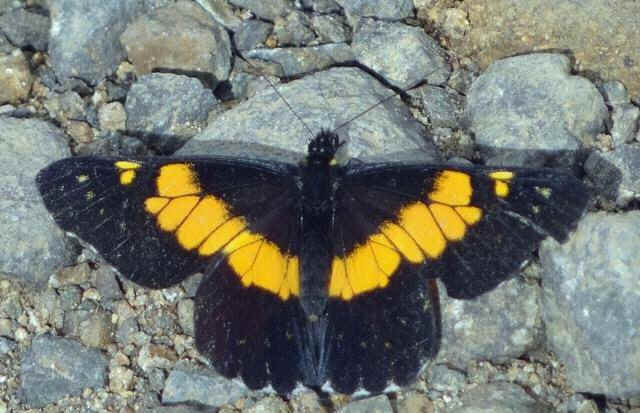
  7. Polydamas Swallowtail  ______   (also called the Gold Rim or Black Page)  
    Battus polydamas


    Polydamas Swallowtail

    In the tropics, the Polydamas Swallowtail is continuously brooded. Butterflies live about a week. Very common near human settlement. The pattern of the butterfly is variable. 

  8. Yellow-spotted Swallowtail  ______  
    Battus lycidas   

  9. Yellow-trailed Swallowtail   ______  
    Battus multicaudata 


    Genus PAPILO:  Fluted Swallowtails 
    (This genus has also been called HERACLIDES, or PTEROURUS.) (Over 200 species. Most are tropical. Most are tailed. Many are migratory. These are the largest of the swallowtails. They are butterflies of the sunshine, paths, roads, and open country. They readily visit flowers such as: Lantana, Bauhinia, Bougainvilla, and Hibiscus.)   

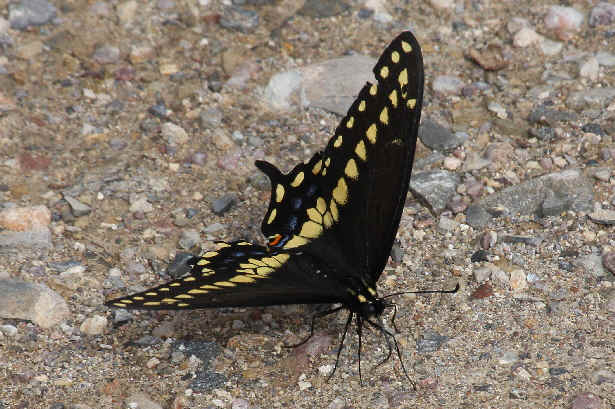
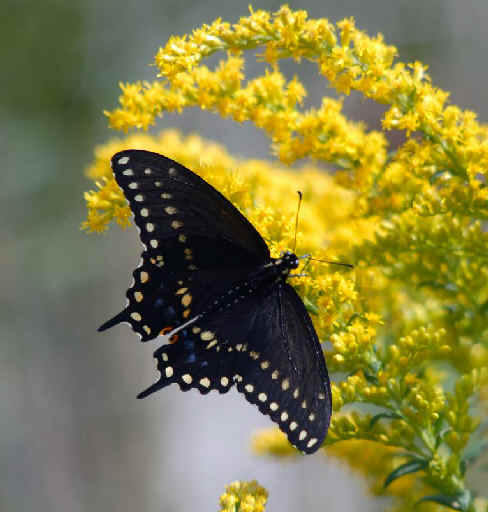
  10. Black Swallowtail ______  
    Papilio polyxenes 


    Black Swallowtails
    (upper photo by Doris Potter, lower photo by Howard Eskin)

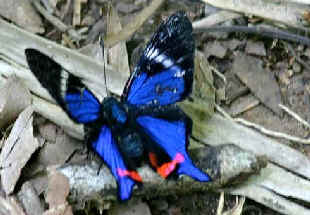
  11. Ruby-spotted Swallowtail  ______  
    Papilio anchisiades 

  12. Yucatan Swallowtail  ______  
    Papilio rogeri

  13. Band-gapped Swallowtail ______  
    Papilio torquatus

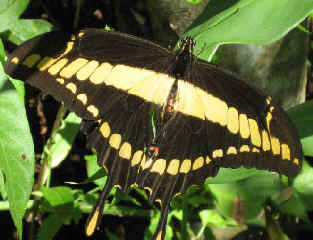
  14. Giant Swallowtail ______  
    Papilio cresphontes

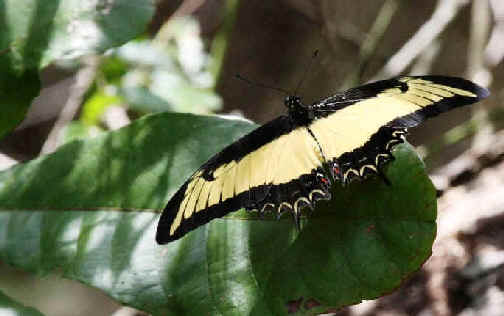
  15. Thoas Swallowtail  ______  
    Papilio thoas 


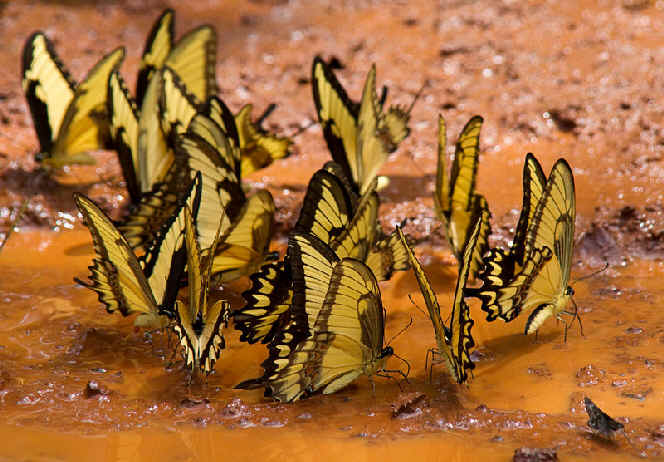
    Genus EURYTIDES  (Kite-Swallowtails) 
    (This genus has also been called PROTESILAUS.) (About 50 species confined to the New World. Some mimic PARIDES and HELICONIUS butterflies. Others have long tails, hence the name "Kite-Swallowtails". Fast fliers. Engage in mud-puddling.) 

  16. Dark Kite-Swallowtail ______
    Eurytides philolaus

  17. Guatemalan Kite-Swallowtail ______
    Eurytides epidaus

  18. Short-lined Kite-Swallowtail ______
    Eurytides ageslaus

  19. Bow-lined Kite-Swallowtail ______
    Eurytides macrosilaus


    FAMILY PIERIDAE  
    (Most are predominately white, yellow, or orange in color, and are often referred to as WHITES, YELLOWS, SULPHURS, or MARBLES.) 


    Genus PIERIBALLIA

  20. Painted White ______
    Pieriballia viardi


    Genus ITABALLIA

  21. Cross-barred White ______
    Itaballia demophile


    Genus ASCIA

  22. Great Southern White  ______
    Ascia monuste


    Genus APPIAS 
    (A distinctive group with strongly curved wings, especially in the males, which makes them powerful fliers. Many dwell in the rainforest. Males commonly mud-puddle. The sexes are usually completely different in color, with females darker with more subdued coloration. 
    This genus occurs in Asia (mainly), Africa, and Australia, in addition to the Americas. This genus in the New World has been said by some, for structural reasons, to be GLUTOPHRISSA, with 2 species.
    Note: The APPIAS butterflies in the Old World are referred to as THE GULLS.)         

  23. Florida White  ______  (also called Tropical White
    Appias drusilla 

    The Florida, or Tropical White is an extraordinarily swift butterfly, "so swift that, in a few seconds, they traverse long distances. Not only do they fly extremely fast, but they also take their nourishment from flowers in the greatest haste. Only in imbibing water from the damp ground, where these butterflies, particularly the males, sometimes settle in large groups close together, do they allow themselves time, and engage in this activity for the moment as an amusement."     


    Genus GANYRA

  24. Giant White ______ 
    Ganyra josephina 


    Genus MELETE

  25. Common Melwhite  ______
    Melete lycimnia 


    Genus COLIAS


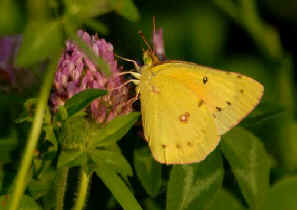
  26. Orange Sulphur  ______  
    Colias eurytheme


    Orange Sulphur
    (photo by Howard Eskin)


    Genus EUREMA:  SMALL YELLOWS 
    (This widespread genus, of 35-40 species, has a circumtropical distribution. They are usually lemon-yellow with black borders. Males often have a long scent patch on the forewing. These are familiar little butterflies that fly along paths and roadways, usually in considerable numbers after rains. Blistering heat will often send them to pools of water or to the watering holes of cattle where the sand moistened with the animal's urine furnishes them with mineralized liquid.)  

  27. Barred Yellow ______  
    Eurema daira

  28. Ghost Yellow  ______
    Eurema albula


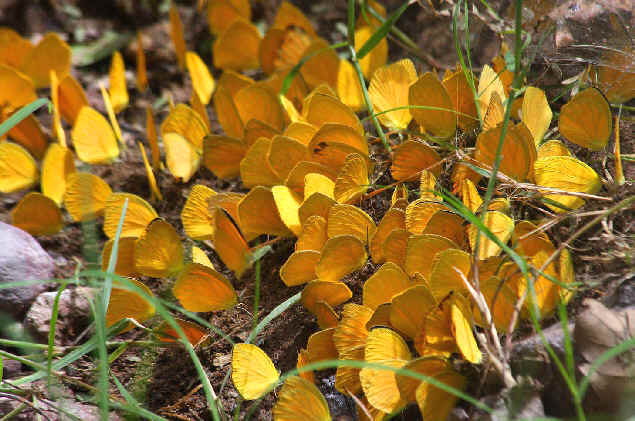
  29. Sleepy Orange (Sulphur) ______  
    Eurema nicippe


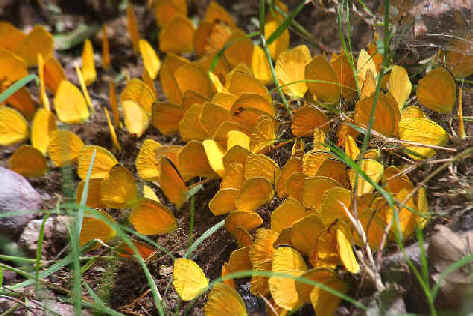
    A cluster of Sleepy Oranges at rest "like gold doubloons in a pirate's treasure chest",
    (photographed by Doris Potter during a FONT tour in Mexico)   

  30. Tailed Orange ______ 
    Eurema protepia

  31. Little Yellow  ______  
    Eurema lisa

  32. Mimosa Yellow  ______  
    Eurema nise

  33. Mexican Yellow ______  
    Eurema mexicana

  34. Boisduval's Yellow ______  
    Eurema boisduvaliana

  35. Dina Yellow ______  
    Eurema dina 


    Genus ZERENE (or COLIAS)

  36. Southern Dogface  ______  
    Zerene
    (or Colias) cesonia


    Southern Dogface, photographed during a FONT tour 
    (photo by Doris Potter)


    Genus NATHALIS

  37. Dainty Sulphur (*) ______  
    Nathalis iole 


    Genus PHOEBIS:  GIANT SULPHURS 
    (This grouping of 10 species is found exclusively in the Americas. They are the most conspicuous of the tropical sulphurs, being common and large. All of the members of the genus are migratory, often given to vast migrations. They are often found in open areas & forest edges. They are fast-flying. The sexes are dimorphic. Males, more often than females, cluster on moist sand along rivers and streams. The females usually have less active behavior, flying not far from vegetation, or simply visiting flowers.)  

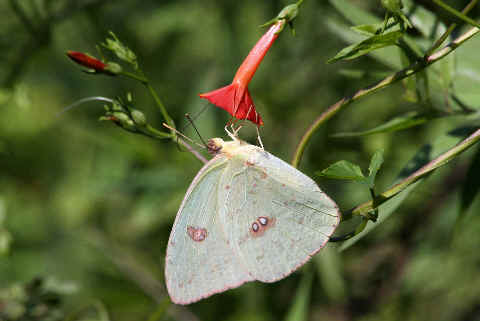
  38. Cloudless Sulphur  (*)  ______  
    Phoebis sennae


    Cloudless Sulphur

    The Cloudless Sulphur can be abundant. It prospers in open land, with weedy tropical & subtropical plants. The female is variable in its coloration.

  39. Apricot Sulphur ______
    Phoebis argante


  40. Large Orange Sulphur  ______    
    Phoebis agarithe


    A female Large Orange Sulphur

  41. Orange-barred Sulphur  ______  
    Phoebis philea


    Orange-barred Sulphur


  42. Straight-lined Sulphur  ______
    Phoebis (or Rhabdodryas) trite 

  43. Statira Sulphur  ______ 
    Phoebis (or Aphrissa) statira

  44. Peach-patched Sulphur  ______
    Phoebis
    (or Aphrissa) boisduvalii


    Genus KROCOGONIA

  45. Lyside Sulphur ______  
    Krocogonia lyside 


    Genus ANTEOS

  46. White-angled Sulphur  ______  
    Anteos clorinde 


    White-angled Sulphur, during a FONT tour
    (photo by Doug Johnson)

  47. Yellow-angled Sulphur  ______  
    Anteos maerula 


    FAMILY LYCAENIDAE:  GOSSAMER WINGS including HAIRSTREAKS & BLUES 
    (Occurring throughout the world, but mostly in tropical and subtropical regions. The sexes often differ in coloration, and the undersides usually differ from the upper surfaces. 
    Thus far, worldwide, about 5,000 species in this family have been discovered and named. Caterpillars of many of these species are closely associated with ants.)


    Subfamily THECLINAE:  HAIRSTREAKS


    Genus EUMAEUS

  48. Mexican Cycadian  ______
    Eumaeus toxea


    Genus PAIWARRIA

  49. Thick-tailed Hairstreak ______
    Paiwarria umbratus


    Genus ARCAS

  50. Wavy-lined Sunstreak ______
    Arcas cypria


    Genus EVENUS 


  51. Regal Groundstreak ______
    Evenus regalis


    Genus THERITAS

  52. Pearly Greatstreak ______
    Theritas theocritus


    Genus REKOA

  53. Tiger-eye Hairstreak ______
    Rekoa meton

  54. Gold-bordered Hairstreak ______
    Rekoa palegon

  55. Marius Hairstreak ______
    Rekoa marius

  56. Zebina Hairstreak ______
    Rekoa zebina


    Genus PSEUDOLYCAENA

  57. Sky-blue Greatstreak ______
    Pseudolycaena damo


    Genus OENOMAUS

  58. Aquamarine Hairstreak ______
    Oenomaus ortygnus


    Genus PARRHASIUS

  59. Broken-M Hairstreak ______
    Parrhasius polibetes

  60. Turquoise-M Hairstreak ______
    Parrhasius orgia


    Genus CELMIA

  61. Chutes-and-ladders Hairstreak ______
    Celmia celmus


    Genus TMOLUS

  62. Red-spotted Hairstreak ______
    Tmolus echion


    Genus STRYMON:  SCRUB HAIRSTREAKS 
    (In both North & South America. Butterflies exhibit seasonal variation.)

  63. Gray Hairstreak  ______  
    Strymon melinus

  64. Red-lined Scrub-Hairstreak  ______  
    Strymon bebrycia

  65. Red-crescent Scrub-Hairstreak ______
    Strymon rufofusca

  66. Yojoa Scrub-Hairstreak ______
    Strymon yojoa

  67. White Scrub-Hairstreak ______
    Strymon albata

  68. Lantana Scrub-Hairstreak ______
    Strymon bazochii

  69. Tailless Scrub-Hairstreak ______
    Strymon cestri 

  70. Mallow Scrub-Hairstreak  ______  
    Strymon istapa

  71. Bromeliad Scrub-Hairstreak ______
    Strymon serapio

  72. Confusing Scrub-Hairstreak ______
    Strymon megarus

  73. Red-spotted Scrub-Hairstreak ______
    Strymon ziba


    Genus GARGINA

  74. Gnomic Hairstreak ______
    Gargina gnosia

  75. Marginal Hairstreak ______
    Gargina thoria


    Genus CAMISSECLA

  76. Vesper Hairstreak ______ 
    Camissecla vespasianus


    Genus OSTRINOTES 

  77. Pungent Hairstreak ______
    Ostrinotes keila


    Genus THECLOPSIS 

  78. Burnt-chocolate Hairstreak ______
    Theclopsis mycon


    Genus SIDERUS

  79. Pearly-gray Hairstreak ______
    Siderus tephraeus


    Genus ZIEGLERIA

  80. Orange-crescent Groundstreak ______
    Ziegleria guzanta

  81. Common Groundstreak ______
    Ziegleria hesperitis


    Genus CALYCOPIS

  82. Rusty-banded Groundstreak ______
    Calycopis demonassa 

  83. Susanna's Groundstreak ______
    Calycopis origo

  84. Dusky-blue Groundstreak ______
    Calycopis isobeon


    Genus ELECTROSTRYMON

  85. Muted Hairstreak ______
    Electrostrymon canus

  86. Ruddy Hairstreak ______
    Electrostrymon sangala


    Genus CHLOROSTRYMON

  87. Silver-banded Hairstreak ______
    Chlorostrymon simaethis

  88. Telea Hairstreak ______
    Chlorostrymon telea


    Genus CYANOPHRYS

  89. Clench's Greenstreak ______
    Cyanophrys miserabilis

  90. Tropical Greenstreak ______
    Cyanophrys herodotus

  91. Cramer's Greenstreak ______
    Cyanophrys amyntor

  92. Goodson's Greenstreak ______
    Cyanophrys goodsoni 


    Genus ATLIDES 

  93. Rusty Greatstreak ______
    Atlides rustan

  94. White-tipped Greatstreak ______
    Atlides gaumeri

  95. White-spotted Hairstreak ______  
    Atlides carpasia 


    Genus BRANGUS

  96. Common Brangas ______
    Brangas neora


    Genus MICHAELUS 

  97. Blotchy Hairstreak ______
    Michaelus hecate

  98. Shadowed Hairstreak ______
    Michaelus ira


    Genus MINISTRYMON 

  99. Gray Ministreak ______
    Ministrymon azia

  100. Great Ministreak ______
    Ministrymon coronta

  101. Mexican Ministreak ______
    Ministrymon inoa

  102. Clytie Ministreak ______
    Ministrymon clytie

  103. Red-flocked Ministreak ______
    Ministrymon phrutus 


    Genus ARAWACUS

  104. Creamy Stripe-Streak  ______  
    Arawacus jada 

  105. Fine-lined Stripe-streak ______
    Arawacus sito


    Genus PANTHIADES

  106. Zebra Cross-streak ______
    Panthiades bathildis

  107. Eclipsed Cross-streak ______
    Panthiades bitias


    Subfamily  POLYOMMATINAE:  BLUES 
    (Very small butterflies, mostly blue above. Females of many are browner.) 


    Genus EVERES

  108. Eastern Tailed-Blue  ______  
    Everes comyntas


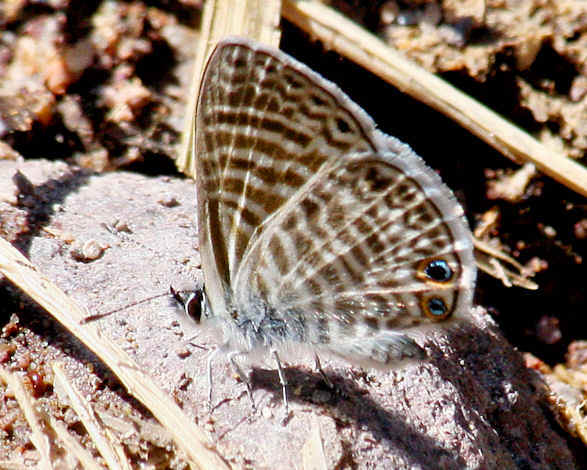
    Genus LEPTOTES 
    (A relatively small grouping of striped and generally tailed blues, small in size, which have colonized various parts of Europe, Asia, and North and South America. They are sexually dimorphic. Butterflies breed on members of the pea family, Leguminosae. Some species are migratory.)   

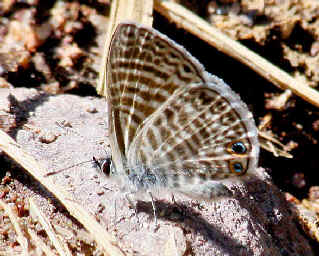
  109. Marine Blue ______  
    Leptotes marina


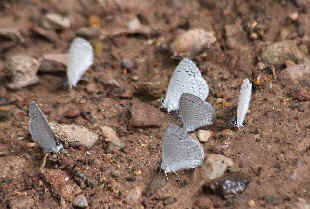
    A Marine Blue photographed during a FONT tour
    (photo by Doris Potter)

  110. Cassius Blue ______
    Leptotes cassius


    Genus ZIZULA

  111. Cyna Blue ______ 
    Zizula cyna


    Genus HEMIARGUS 
    (Commonly called "EYED BLUES", these butterflies occur in both North & South America. The common name is from 2 or 3 eye-spots on the undersides of the hindwings. They breed on a wide variety of members of the pea family, Leguminosae.)  

  112. Ceraunus Blue ______   
    Hemiargus ceraunus 


    FAMILY RIODINIDAE:  METALMARKS


    Genus EUSELASIA

  113. Pearly Sombermark ______
    Euselasia pusilla


    Genus LEUCOCHIMONA

  114. Satyr Eyemark ______
    Leucochimona lepida


    Genus MESOSEMIA

  115. Purple-washed Eyemark ______
    Mesosemia lamachus


    Genus MELANIS

  116. Red-bordered Pixie ______
    Melanis pixe


    Genus VOLTINIA

  117. Quilted Metalmark ______
    Voltinia umbra


    Genus RHETUS

  118. Sword-tailed Beautymark ______
    Rhetus arcius


    Genus NOTHEME

  119. Two Oranges Metalmark ______
    Notheme erota


    Genus MESENE

  120. White-legged Geomark ______
    Mesene leucopus


    Genus ARGYROGRAMMANA 

  121. Dotted Metalmark ______
    Argyrogrammana stilbe     


    Genus CALEPHELIS

  122. Temple Scintillant  ______  
    Calephelis velutina 


    Genus DETRITIVORA 

  123. Cloaked Scintillant 
    Detritivora barnesi 


    Genus SAROTA

  124. Mexican Jewelmark ______
    Sarota craspediodonta

  125. Pearly Jewelmark ______
    Sarota psaros


    Genus ANTEROS

  126. Carousing Jewelmark ______
    Anteros carausius

  127. Elegant Jewelmark ______
    Anteos chrysoprastus


    Genus CALYDNA

  128. Snappy Mottlemark ______
    Calydna sturnula 


    Genus EMESIS

  129. Mexican Tanmark ______
    Emesis liodes 

  130. Great Tanmark ______
    Emesis mandana

  131. Sharp Tanmark ______
    Emesis fatimella

  132. Bow-winged Tanmark ______
    Emesis tegula

  133. Little Tanmark ______
    Emesis lupina

  134. Falcate Metalmark ______
    Emesis tenedia 

  135. Curve-winged Metalmark ______
    Emesis emesia 


    Genus LASAIA

  136. Blue Metalmark ______
    Lasaia sula

  137. Black-patched Bluemark ______
    Lasaia agesilas


    Genus BEHEMOTHIA 

  138. Giant Metalmark ______
    Behemothia godmanii


    Genus PSEUDONYMPHIDIA 

  139. White-trailed Metalmark ______
    Pseudonymphidia agave

  140. Clearing Metalmark ______
    Pseudonymphidia clearista


    Genus THISBE

  141. Fox-face Lemmark ______
    Thisbe lycorias


    Genus JUDITHA

  142. Common Lemmark ______
    Juditha caucana


    Genus SYNARGIS

  143. Variable Lemmark ______
    Synargis mycone

  144. Dreamy Lemmark ______
    Synargis ochra


    Genus APODEMIA

  145. Sealpoint Metalmark ______
    Apodemia hypoglauca 


    Genus THEOPE

  146. Bell-banded Theope ______
    Theope phaeo

  147. Scallop-patched Theope ______
    Theope cratylus

  148. Guatemalan Theope ______
    Theope eupolis


    FAMILY NYMPHALIDAE:  BRUSHFOOTS 
    (Cosmopolitan, with subfamilies ranging from 8 to 25, depending upon taxonomic treatment. This is the most diverse family of butterflies, with approximately 6,000 known species worldwide.
    Brushfoot butterflies appear to be 4 rather than 6-legged, as their 2 front legs are much reduced.)   


    Subfamily LIBYTHEINAE:  SNOUTS 
    (These butterflies have long palps which protrude under their head like a snout, hence their name. There are about 10 species which occur in South & Central America. They breed on members of the Celtis which belong to the Elm family, Ulmaceae.)

  149. American Snout  ______  
    Libytheana carinenta


    Subfamily HELICONIINAE:  LONGWINGS 
    (Mostly in the American tropics. Adults of some species are long-lived, and several are distasteful. Various other species mimic the distasteful butterflies of this group.)  


    Genus AGRAULIS


  150. Gulf Fritillary (*) ______  
    Agraulis vanillae 
    (has been said by some to be in the genus Dione)

    This widespread, familiar butterfly visits gardens to drink nectar. It is a sun-loving butterfly. The upperside is a fiery orange. It is distinguished from the Julia, Dryas iulia, by the presence of numerous black dots on the forewing. it is silver-spotted on its underside.  


    Two photographs of the Gulf Fritillary
    (upper photo by Doris Potter; lower photo by Howard Eskin)


    Genus EUEIDES

  151. Isabella's Heliconian  (*)  ______
    Eueides isabella  


  152. Least Heliconian ______
    Euiedes aliphera


    Genus DIONE 
    (Totally 4 species, depending upon taxonomy, in Central & South America. They breed on many species of passion flower, Passiflora, and they exploit secondary vegetation. Their numbers increase dramatically in areas where there has been rainforest destruction.)    

  153. Juno Heliconian ______  (also called Silverspot)
    Dione juno


    Genus DRYAS 
    (with a single migratory species, occurring in Central & South America and on Caribbean islands)  

  154. Julia Heliconian  (*)  ______
    Dryas iulia

    The uppersides of the elongated wings are orange, unmarked but for a conspecuous black blob or band in the cell area of the forewing. The undersides are a very pale brown with small white flashes. Different races have variation of the black band and other black markings on the upperside of the forewing.
    This butterfly visits open sunny and flowery areas (often wet ground), and breeds on the passion flower.


    Julia Heliconian


    Genus DRYADULA 

  155. Banded Orange Heliocnian 
    Dryadula phaetusa 


    Genus HELICONIUS:  LONGWINGS  
    (Found principally in Central & South America, but also in the West Indies, and just reaching into the southern US. In Central America, including Mexico, there are 15 species. 
    The larvae feed on members of the passion flower family, Passifloraceae. The adults (the butterflies) are gregarious and have communal roosting spots. Adults feed on pollen, from which they derive amino acids, enabling them to live up to 9 months. The butterflies stay very much in the same localities. They are very nocticeable and found in various habitats.    

  156. Zebra Heliconian  (*)   ______  (other names are simply Zebra, or Zebra Longwing)  
    Heliconius charithonia


    Zebra Heliconian
    (photo by Doug Johnson)

    This graceful butterfly is a common sight in gardens and at roadside flowers. It roosts in large clusters, returning to the same roost night after night. Very familiar to visitors of butterfly houses as it is easy to rear. 

  157. Erato Heliconian  (*) ______ 
    Heliconius erato 


    Genus EUPTOIETA

  158. Variegated Fritillary  ______  
    Euptoieta claudia


    Two photographs of the Variegated Fritillary
    (upper photo by Doris Potter, lower photo by Howard Eskin)

  159. Mexican Fritillary ______  
    Euptoieta hegesia


    Mexican Fritillary


    Subfamily NYMPHALINAE:  TRUE BRUSHFOOTS


    Genus CASTILIA

  160. Smudged Crescent ______
    Castilia eranites

  161. Mayan Crescent ______
    Castilia myia


    Genus TEGOSA

  162. Black-bordered Tegosa ______
    Tegosa anieta 


    Genus PHYCIODES

  163. Pale-banded Crescent ______
    Phyciodes tulcis

  164. Phaon Crescent ______  
    Phyciodes phaon 


    Genus MICROTIA

  165. Elf ______ 
    Microtia elva


    Genus CHLOSYNE:  PATCHES

  166. Crimson Patch ______
    Chlosyne janais 


    Crimson Patch

  167. Bordered Patch  ______  
    Chlosyne lacinia


    Bordered Patches, photographed during a FONT tour
    (photos by Doris Potter)
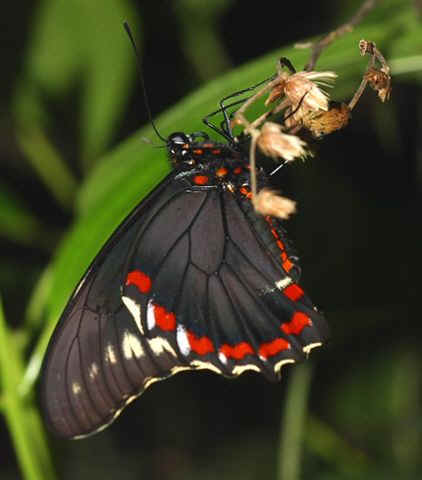
  168. Guatemalan Patch ______
    Chlosyne erodyle

  169. Simple Patch ______
    Chlosyne hippodrome

  170. Theona Checkerspot ______  
    Chlosyne (formerly Thessalia) theona


    Genus VANESSA: LADY BUTTERFLIES  (A widespread group of strong fliers, sometimes migratory, with bright oranges and reds.) 

  171. Red Admiral ______   
    Vanessa atalania


    Two photographs of Red Admirals
    (above photo by Marie Gardner; lower photo of one on thistle by Howard Eskin)


  172. American Lady ______   
    Vanessa virginiensis


    An American Lady photographed during a FONT tour
    (photo by Doris Potter)
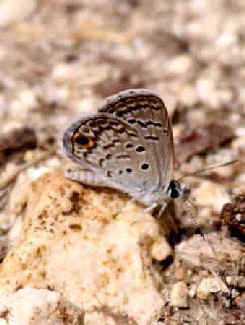
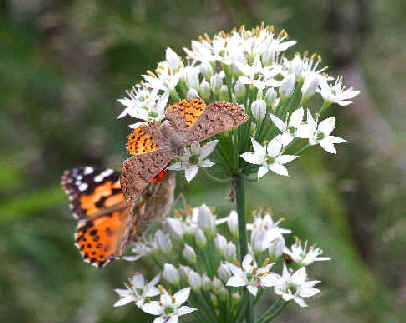
  173. Painted Lady  ______  
    Vanessa cardui


    Painted Ladies 
    (upper photo by Doris Potter; lower photo by Howard Eskin)


    Genus JUNONIA:  BUCKEYES 
    (The common name is from the false eyes that are prominent on the wings. This is a widespread grouping, found nearly throughout much of the world.)   

  174. Common Buckeye  ______  
    Junonia coenia


    A Common Buckeye photographed during a FONT tour
    (photo by Doris Potter)
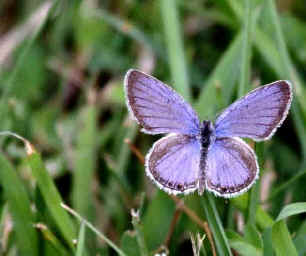
  175. Tropical Buckeye ______    
    Junonia genoveva

    The Tropical Buckeye and the Mangrove Buckeye are practically indistinguishable. Both often settle on open ground.

  176. Mangrove Buckeye ______
    Junonia evarete


    Genus ANARTIA 
    (4 species found from the southern US to South America, and in the West Indies. They are among the more common butterflies in the tropics. They are swift fliers, and bear some resemblance to members of the CYNTHIA genus.)  

  177. White Peacock  (*)  ______ 
    Anartia jatrophae

    The White Peacock is a common butterfly of open country, roadsides, beaches and wasteland, often with other species such as the Buckeye.  


    White Peacock

  178. Banded Peacock  (*)  ______ 
    Anartia fatima


    Banded Peacock
    (photo by Doug Johnson)


    Genus SIPROETA

  179. Malachite ______  
    Siproeta stelenes 
    (has also been said to be in the genus Metamorpha

    This beautiful butterfly has vivid green in large blotches and bands on a dark background. Usually a solitary flier, but it does congregate in numbers around rotting fruit. It is on the wing all year in the tropics.  


    Malachite 


    Genus PHILOTHRIA

  180. Green Heliconian  (*)  ______
    Philothria diatonica  


    Genus ADELPHA 
    (Over a hundred species which are among the most common and characteristic butterflies of the Neotropics. They occur from Central America south to Argentina, with some in the West Indies. Throughout their range, they can be found from sea level to 8 or 9,000 feet. 
    These butterflies share the characteristic of an orange patch at the apex of the forewing.)     

  181. Band-celled Sister (*)  ______
    Adelpha fessonia

  182. Spot-celled Sister ______
    Adelpha basiloides

  183. Confusing Sister ______
    Adelpha iphicleola

  184. Bates' Sister ______
    Adelpha paraena massilia

  185. Scarce Sister ______
    Adelpha nea sentia

  186. Three-part Sister ______
    Adelpha naxia

  187. Venezuelan Sister ______
    Adelpha malea fundania

  188. Barnes' Sister ______
    Adelpha barnesia leucas

  189. Cecropia Sister
    Adelpha phylaca  


    Genus DYNAMINE

  190. Four-spotted Sailor ______
    Dynamine postverta

  191. Blue-eyed Sailor ______
    Dynamine dyonis

  192. White Sailor ______
    Dynamine theseus 


    Genus PYRRHOGYRA

  193. White-edged Red-ring ______
    Pyrrhogyra otolais

  194. Complete Red-ring ______
    Pyrrhogyra edocla

  195. Leading Red-ring ______
    Pyrrhogyra neaerea


    Genus TEMENIS

  196. Orange Banner ______
    Temenis laothoe


    Genus NICA

  197. Little Banner ______
    Nica flavilla


    Genus NESSAEA

  198. Common Olivewing ______
    Nessaea aglaura


    Genus BIBLIS 
    (A single species. Breeds on Traiga, a species of spurge.)  

  199. Red Rim  (*)  ______
    Biblis hyperia 

    The Red Rim is quite variable throughout its range. It is a fairly slow flyer that frequents open ground, feeding often on rotting fruit, but often settling. with open wings, on green vegetation. It can be common.


    Red Rim


    Genus AMYMONE

  200. Common Mestra ______  
    Mestra amymone 


    Genus MYSCELIA

  201. Mexican Bluewing  (*)  ______
    Myscelia ethusa 

  202. Whitened Bluewing ______
    Myscelia cyaniris


    Genus CATONEPHELE 

  203. Guatemalan Catone ______
    Catonephele mexicana


    Genus EUNICA 
    (There are from some say 40 or so to maybe 60 species in this genus in Central & South America, and in the Greater Antilles, with most, however, occurring exclusively in upper Amazonian basin. They live mostly in primary forest, and have a preference for sub-montane habitats. Like most NYMPHALIDS, they are attracted to putrefying fruit. Most species are medium-sized with dull coloring and SATYRID-like ocelli and markings below.)    

  204. Florida Purplewing ______
    Eunica tatila


    Florida Purplewing

  205. Dingy Purplewing ______
    Eunica monima


    Dingy Purplewing


    Genus HAMADRYAS:  the CRACKERS, also called "CALICO BUTERFLIES" 

  206. Red Cracker  ______
    Hamadryas amphinome


    Red Cracker  (the red is on the other side of the wings)

  207. Gray Cracker (*)  ______  
    Hamadryas februa 


    A Gray Cracker on a treetrunk, photographed during the FONT March 2009 Yucatan, Mexico Tour 
    (photo by Marie Gardner)

  208. Yucatan Cracker ______  
    Hamadryas julitta

  209. Variable Cracker ______
    Hamadryas feronia

  210. Guatemalan Cracker ______
    Hamadryas guatemalena


    Genus SMYRNA

  211. Blomfild's Beauty ______
    Smyrna blomfildia

  212. Karwinski's Beauty ______
    Smyrna karwinskii


    Genus COLOBURA 

  213. Small Beauty ______
    Colobura dirce 


    Small Beauty


    Genus MARPESIA:  DAGGERWINGS 
    (Mostly Central & South American butterflies, but also occurs in Africa. Called "DAGGERWINGS" after the long tail on each hindwing. These butterflies, some of which are dimorphic, engage in mud-puddling.)  

  214. Many-banded Daggerwing ______  
    Marpesia chiron  

  215. Ruddy Daggerwing ______  
    Marpesia petreus 


    Ruddy Daggerwing


    Genus ARCHAEOPREPONA

  216. One-spotted Prepona ______
    Archaeoprepona demophon

  217. Two-spotted Prepona ______
    Archaeoprepona demophon gulima


    Genus PREPONA 

  218. Feathered Prepona ______
    Prepona laertes

  219. Mottled Prepona ______
    Prepona pylene 


    Genus ANAEA (formerly MEMPHIS):  LEAFWINGS 
    (This grouping of about 120 species occurs in Central & South America and on Caribbean islands. They are similar in behavior to the African genus CHARAXES. They are called LEAFWING butterflies because the undersides of the wings are leaf-like and disguise the butterfly when it settles on the ground. Some species are sexually dimorphic. The larvae feed on members of the Euphorbiacae (spurges), Piperaceae (peppers), and Lauraceae.)     

  220. Pointed Leafwing  ______
    Anaea eurypyle

  221. Pear-winged Leafwing  ______
    Anaea halice martinezi

  222. Angled Leafwing  ______
    Anaea
    glycerium


  223. Tropical Leafwing ______  
    Anaea aidea  

  224. Pale-spotted Leafwing  ______
    Anaea pithyusa

  225. Laurel Leafwing  ______
    Anaea moruus

  226. Boisduval's Leafwing  ______
    Anaea oenomais

  227. Guatemalan Leafwing  ______
    Anaea forreri

  228. Genus ZARETIS

  229. Cramer's Leafwing  ______   
    Zaretis isidora 

  230. Ghost Leafwing  ______
    Zaretis callidryas


    Genus CONSUL

  231. Pearly Leafwing  ______
    Consul electra


    Genus SIDERONE

  232. Red-and-black Leafwing  ______
    Siderone galanthis  


    Genus HISTORIS

  233. Orion Cecropian  ______
    Historis odius

    The wings of the Orion Cecropian have velvety brown uppersides and cryptically-colored undersides. At rest, with the wings folded, this butterfly blends into the background which is often tree bark. 


    2 photos of the Orion Cecropian


    Genus ASTEROCAMPA

  234. "Cream-banded" Dusky Emperor ______ 
    Asterocampa idyja argus


    Genus DOXOCOPA

  235. Silver Emperor  ______
    Doxocopa laure

  236. Pavon Emperor ______
    Doxocopa pavon


    Genus MORPHO

  237. Common Morpho (*) ______
    Morpho helenor 


    Genus CALIGO

  238. Yellow-fronted Owl-Butterfly  (*)   ______ 
    Caligo telamonius


    Yellow-fronted Owl-Butterfly
    (photo by Marie Gardner)

  239. Yellow-bordered Owl-Butterfly  (*) ______
    Caligo uranus


    Genus ERYPHANIS

  240. Double-spotted Owl-Butterfly  ______
    Eryphanis aesacus 


    Genus OPSIPHANES

  241. Heliconia Owlet  ______
    Opsiphanes tamarindi

  242. Split-banded Owlet  ______
    Opsiphanes cassina

  243. Orange Owlet ______
    Opsiphanes boisduvalii


    Genus TAYGETIS

  244. Common Ur-Satyr  ______
    Taygetis thamyra

  245. Cramer's Ur-Satyr  ______
    Taygetis virgilia


    Genus PAREUPTYCHIA

  246. White Satyr  ______
    Pareuptychia ocirrhoe

  247. White-banded Satyr ______
    Pareuptychia metaleuca


    Genus CISSIA

  248. Confused Satyr  ______
    Cissia confusa

  249. Gold-stained Satyr  ______
    Cissia pseudoconfusa

  250. Rusty-spotted Satyr  ______
    Cissia labe

  251. Plain Satyr  ______
    Cissia pompilia

  252. Stormy Satyr  ______
    Cissia similis

  253. Terrestrial Satyr ______
    Cissia terrestris 


    Genus HERMEUPTYCHIA

  254. Carolina Satyr  ______
    Hermeuptychia sosybius


    Genus YPHTHIMOIDES

  255. Renata's Satyr  ______
    Yphthimoides renata


    Genus CEPHEUPTYCHIA

  256. Mexican Blue-Satyr  ______
    Cepheuptychia glaucina


    Genus MAGNEUPTYCHIA

  257. Blue-gray Satyr  ______
    Magneuptychia libya 


    Genus DANAUS:  ROYALTY 
    (Known also as TIGER BUTTERFLIES. There are representatives in all of the geographical regions of the world. More species occur in the Old World, but one of the best known butterflies of the New World is Danaus plexippus, the Monarch. Larvae of this genus feed on members of the milkweed and dogbane families, and render themselves poisonous to predators by storing plant poisons. Other butterflies mimic the toxic members of this genus.)  

  258. Monarch (*)  ______  
    Danaus plexippus


    Two photos of Monarchs 
    (photos by Howard Eskin)

  259. Queen (*) ______  
    Danaus gilippus


    Queen
    (photo by Marie Gardner)

  260. Soldier ______  (A Mullerian mimic with the Monarch, Queen, & Viceroy)
    Danaus eresimus


    Genus ITHOMIA 

  261. Guatemalan Ithomia  ______  
    Ithomia patilla 


    Genus PTERONYMIA

  262. Broad-tipped Clearwing ______  
    Pteronymia cotytto 


    Genus TITHORIA

  263. Black-fronted Prestonian  ______  
    Tithoria harmonia  


    Genus GODYRIS

  264. Variegated Ticlear ______
    Godyris zavaleta 


    Genus DIRCENNA


  265. Big-bordered Dircenna  ______  
    Dircenna dero 


    Genus ERESIA

  266. Square-tipped Crescent ______
    Eresia phillyra


    Genus MECHANITIS 

  267. Confused Tigerwing  ______
    Mechanitis lysimnia

  268. Variable Tigerwing ______
    Mechanitis menapis


    FAMILY HESPERIIDAE:  SKIPPERS 
    (A very large family of more than 3,500 species throughout the world, of stout-bodied, short-winged butterflies that resemble day-flying moths. The adult butterfly's flight resembles a "skipping" motion when going from flower to flower. Their forewings are closed above their back when they are settled.) 


    Genus PYRRHOPYGE

  269. Red-headed Firetip  ______
    Pyrrhopyge phidias zenodorus 


    Genus ELBELLA

  270. Red-collared Firetip  ______
    Elbella scylla

  271. Blue-lined Firetip  ______
    Elbella patrobas


    Genus MYSCELUS

  272. Common Mytip  ______
    Myscelus amystis hages


    Genus PHOCIDES

  273. Guava Skipper  ______
    Phocides polybius 

  274. Mangrove Beamer
    Phocides pigmalian 

  275. Beautiful Beamer  ______
    Phocides belus


    Genus  PHANUS

  276. Musical Ghost-Skipper  ______
    Phanus vitreus

  277. Common Ghost-Skipper  ______
    Phanus marshalii


    Genus EPARGYREUS

  278. Spined Silverdrop  ______
    Epargyreus spina 


    Genus POLYGONUS

  279. Manuel's Skipper  ______
    Polygonus manueli

  280. Hammock Skipper ______ 
    Polygonus leo 


    Genus CHIOIDES

  281. White-striped Longtail  ______  
    Chioides catillus

  282. Zilpa Longtail ______  
    Chioides zilpa 


    Genus AGUNA

  283. Tailed Aguna  ______
    Aguna metophis

  284. Austin's Aguna  ______
    Aguna cieloides

  285. Emerald Aguna  ______
    Aguna claxon

  286. Gold-spotted Aguna ______ 
    Aguna asander


    Genus PROTEIDES 

  287. Mercurial Skipper ______ 
    Proteides mercurius 


    Genus NASCUS 

  288. Common Scarlet-eye  ______
    Nascus phocus


    Genus DYSCOPHELLUS

  289. Fiery Scarlet-eye  ______
    Dyscophellus porcius


    Genus BUNGALOTIS

  290. Spotted Scarlet-eye  ______
    Bungalotis erythus


    Genus OCYBA

  291. Yellow-rimmed Scarlet-eye  ______
    Ocyba calathana


    Genus ASTRAPTES

  292. Yellow-tipped Flasher  ______
    Astraptes anaphus


    Genus TYPHEDANUS

  293. Gold-tufted Skipper  ______
    Typhedanus ampyx

  294. Pale-tufted Skipper  ______  (endemic to the Yucatan Peninsula)
    Typhedanus salas


    Genus ASTRAPTES

  295. Frosted Flasher  ______
    Astraptes alardus

  296. Silvered Flasher  ______
    Astraptes creteus

  297. Gilbert's Flasher  ______
    Astraptes gilberti

  298. Small-spotted Flasher  ______
    Astraptes egregius

  299. Chiriqui Flasher  ______
    Astraptes chiriquensis

  300. Two-barred Flasher  ______
    Astraptes fulgerator

  301. White-spotted Flasher  ______
    Astraptes enotrus

  302. Bronze Flasher  ______
    Astraptes janeira


    Genus NARCOSIUS

  303. Trojan Flasher  ______
    Narcosius parisi 


    Genus CODATRACTUS

  304. White-crescent Longtail  ______
    Codatractus alcaeus

  305. Rusty Mottled-Skipper  ______
    Codatractus carlos

  306. Yucatan Mottled-Skipper  ______  (endemic to the Yucatan Peninsula)
    Codatractus yucatanus


    Genus AUTOCHTON

  307. Sharp Banded-Skipper  ______
    Autochton zarex

  308. Narrow Banded-Skipper  ______
    Autochton longipennis


    Genus CEPHISE

  309. Guatemalan Scarlet-eye  ______
    Cephise guatemalaensis

  310. Long-tailed Scarlet-eye  ______
    Cephise aelius


    Genus CALLIADES

  311. Zoot Skipper  ______
    Calliades zeutus


    Genus RIDENS

  312. Mexican Ridens  ______
    Ridens miltas 


    Genus POLYTHRIX

  313. Dark-spotted Polythrix  ______
    Polythrix asine

  314. Mexican Longtail  ______
    Polythrix mexicanus

  315. Eight-spotted Longtail  ______
    Polythrix octomaculata

  316. Square-spotted Polythrix  ______
    Polythrix caunus


    Genux URBANUS:  LONG-TAILED SKIPPERS

  317. Brown Longtail  ______
    Urbanus procne

  318. Plain Longtail  ______
    Urbanus simplicius

  319. Tanna Longtail  ______
    Urbanus tanna

  320. Teleus Longtail  ______
    Urbanus teleus

  321. Dorantes Longtail  ______
    Urbanus dorantes

  322. Long-tailed Skipper  ______
    Urbanus proteus

  323. Esmeralda Longtail  ______
    Urbanus esmeraldus


    Genus ACHALARUS

  324. Coyote Cloudywing  ______
    Achalarus toxeus

  325. Jalapus Cloudywing  ______
    Achalarus jalpus


    Genus COGIA

  326. Yellow-haired Pyramid-Skipper  ______
    Cogia cajeta eluina

  327. Pale Pyramid-Skipper  ______
    Cogia mala  


    Genus CABARES

  328. Potrillo Skipper ______ 
    Cabares potrillo


    Genus SPATHILEPIA

  329. Falcate Skipper  ______
    Spathilepia clonius


    Genus TELEMIADES

  330. Yellow-spotted Leafhugger  ______
    Telemiades avitas

  331. Dark Leafhugger  ______
    Telemiades nicomedes


    Genus NISONIADES

  332. Guatemalan Pellicia  ______
    Nisoniades godma


    Genus PELLICIA

  333. Glazed Pellicia  ______
    Pellicia arina

  334. Mourning Glory Pellicia  ______
    Pellicia dimidiata  


    Genus NOCTUANA

  335. Red-studded Skipper  ______
    Noctuana
    stator


    Genus ARTEUROTIA

  336. Starred Skipper  ______
    Arteurotia tractipennis


    Genus BOLLA

  337. Variable Bolla  ______
    Bolla giselus


    Genus STAPHYLUS

  338. Mazans Scallopwing  ______
    Staphylus mazans

  339. Mauve Scallopwing  ______
    Staphylus ascalaphus

  340. Aztec Scallopwing  ______
    Staphylus azteca

  341. Steinhauser's Scallopwing  ______  (endemic to the Yucatan Peninsula)
    Staphylus lenis 


    Genus MYLON

  342. Bold Mylon  ______
    Mylon lassia


    Genus QUADRUS

  343. Common Blue-Skipper  ______
    Quadrus cerialis


    Genus PACHES

  344. Shining Blue-Skipper  ______
    Paches polla

  345. Brilliant Blue-Skipper  ______
    Paches loxus


    Genus PYTHONIDES

  346. Many-spotted Blue-Skipper  ______
    Pythonides grandis


    Genus SOSTRATA

  347. Blue-studded Skipper  ______
    Sostrata bifasciata


    Genus ZERA

  348. Bruised Zera  ______
    Zera hyacinthinus


    Genus GINDANES

  349. Straight-edged Skipper  ______
    Gindanes brontinus


    Genus ATARNES

  350. Orange-spotted Skipper  ______
    Atarnes sallei


    Genus XENOPHANES

  351. Glassy-winged Skipper  ______
    Xenophanes tryxus


    Genus CARRHENES

  352. Hoary Skipper  ______
    Carrhenes canescens

  353. Black-spotted Hoary Skipper  ______
    Carrhenes fuscescens


    Genus MILANION

  354. Northern Clipper  ______
    Milanion clito


    Genus POLYCTOR

  355. White Enops  ______
    Polyctor cleta  

  356. Brown Enops  ______
    Polyctor enops


    Genus ANTIGONUS

  357. Dusted Spurwing  ______
    Antigonus erosus

  358. Royal Spurwing  ______
    Antigonus corrosus

  359. Death-mask Spurwing  ______
    Antigonus nearchus


    Genus ACHLYODES

  360. Sickle-winged Skipper  ______
    Achlyodes thraso

  361. Giant Sicklewing  ______
    Achlyodes busirus


    Genus AETHILLA

  362. Frosted Groundskipper  ______
    Aethilla echina


    Genus ZOPYRION

  363. Mexican Sany-Skipper
    Zopyrion sandace


    Genus SYSTASEA

  364. Texas Powered-Skipper  ______
    Systasea pulverulenta


    Genus EBRIETAS

  365. Blurred Bentwing  ______
    Ebrietas evanidus


    Genus CYCLOGLYPHA

  366. Aztec Bentwing  ______
    Cycloglypha thrasibulus


    Genus GORGYTHION

  367. Variegated Skipper  ______
    Gorythion begga


    Genus GESTA

  368. False Duskywing  ______
    Gesta gesta


    Genus CHIOMARA

  369. Slaty Skipper  ______
    Chiomara mithrax

  370. White-patched Skipper  ______
    Chiomara asychis


    Genus GRAIS

  371. Hermit Skipper  ______
    Grais stigmaticus 


    Genus TIMOCHARES

  372. Five-banded Skipper  ______
    Timochares trifasciata 


    Genus PYRGUS

  373. Tropical Checkered-Skipper ______  
    Pyrgus oileus

  374. "Guatemalan" Common Checkered-Skipper ______  
    Pyrgus communis adepta 


    Genus HELIOPETES

  375. Laviana White-Skipper  ______
    Heliopetes laviana

  376. Turk's-cap White-Skipper  ______
    Heliopetes macaira

  377. Alana White-Skipper  ______
    Heliopetes alana  


    Genus COPAEODES

  378. Southern Skipperling  ______
    Copaeodes minimus

  379. Orange Skipperling ______  
    Copaeodes aurantiaca


    Genus VIDIUS

  380. Pale-rayed Skipper  ______
    Vidius perigenes


    Genus SYNAPTE

  381. "Sunrise" Malicious Skipper  ______
    Synapte malitiosa pecta


    Genus CALLIMORMUS

  382. Common Brown-Skipper  ______
    Callimormus saturnus


    Genus MNASICLES

  383. Frosted Brown-Skipper  ______
    Mnasicles geta


    Genus METHIONOPSIS

  384. Ina Brown-Skipper  ______
    Methionopsis ina


    Genus CORTICEA

  385. Redundant Skipper  ______
    Corticea corticea


    Genus PHANES

  386. Squiggly Brown-Skipper  ______
    Phanes aletes 


    Genus REMELLA

  387. Whitened Remella  ______
    Remella remus


    Genus MOERIS

  388. Flag Skipper  ______
    Moeris striga stroma


    Genus MORYS

  389. Happy Skipper  ______
    Morys valerius valda 


    Genus LEREMA

  390. Clouded Skipper ______  
    Lerema accius 

  391. Liris Skipper  ______
    Lerema liris


    Genus NASTRA

  392. Julia's Skipper  ______
    Nastra julia


    Genus CYMAENES

  393. Fawn-spotted Skipper  ______
    Cymaenes odilia

  394. Three-spotted Skipper  ______
    Cymaenes tripunctus theogenis


    Genus RHINTHON

  395. Osca Skipper  ______
    Rhinthon osca


    Genus ONOPHAS

  396. Blue-glossed Skipper  ______
    Onophas columbaria


    Genus VETTIUS

  397. Fantastic Skipper  ______
    Vettius fantasos

  398. Black-spotted Fantastic-Skipper  ______
    Vettius onaca

  399. Blurry Fantastic-Skipper  ______
    Vettius tertianus

  400. Two-toned Fantastic Skipper  ______
    Vettius lefrenaye pica


    Genus LYCAS

  401. Fantastic Ruby-eye  ______
    Lycas argentea 


    Genus CARYSTOIDES

  402. Lila's Ruby-eye  ______
    Carystoides lila


    Genus PERICHARES

  403. Green-backed Ruby-eye  ______
    Perichares philetes


    Genus DECINEA

  404. Double-dotted Skipper  ______
    Decinea percosius


    Genus CONGA

  405. Hidden-ray Skipper  ______
    Conga chydaea


    Genus CYNEA

  406. Foggy Cynea  ______
    Cynea irma


    Genus HYLEPHILA

  407. Fiery Skipper  ______
    Hylephila phyleus


    Genus ATALOPEDES

  408. Sachem  ______
    Atalopedes campestris


    Genus POLITES

  409. Whirlabout  ______  
    Polites vibex 


    Genus QUINTA

  410. Mimic Skipper  ______
    Quinta cannae


    Genus QUASIMELLANA

  411. Common Mellana  ______
    Quasimellana eulogius

  412. Swarthy Mellana  ______
    Quasimellana servilius

  413. Blue Mellana  ______
    Quasimellana myron


    Genus LIBRITA

  414. Librita Skipper  ______
    Librita librita


    Genus POMPEIUS

  415. Common Glassywing  ______
    Pompeius pompeius


    Genus WALLENGRENIA

  416. Southern Broken-Dash  ______
    Wallengrenia otho 


    Genus AMBLYSCIRTES

  417. Toltec Roadside-Skipper ______  
    Amblyscirtes tolteca


    Genus LERODEA 
     

  418. Eufala Skipper ______  
    Lerodea eufala

  419. Violet-clouded Skipper ______  
    Lerodea arabus 


    Genus NYCTELIUS 

  420. Violet-banded Skipper ______ 
    Nyctelius nyctelius


    Genus PANOQUINA

  421. Obscure Skipper  ______
    Panoquina panquinoides

  422. Ocola Skipper  ______
    Panoquina ocola

  423. Purple-washed Skipper  ______
    Panoquina sylvicola

  424. Hecebolus Skipper  ______
    Panoquina hecebolus

  425. Poor Panoquin  ______
    Panoquina pauper

  426. Evan's Skipper  ______
    Panoquina fusina


    Genus XENIADES

  427. Aladdin's Skipper  ______
    Xeniades orchamus


    Genus CALPODES

  428. Brazilian Skipper  ______
    Calpodes ethlius


    Genus THESPIEUS

  429. Ochre-marked Therra  ______
    Thespieus aspernatus

  430. Chocolate-marked Therra  ______
    Thespieus dalman


    Genus SALIANA

  431. Fuzzy Saliana  ______
    Saliana fusta


    Genus NEOXENIADES

  432. Frosted Mimic-Skipper  ______
    Neoxeniades scipio luda

  433. Green-faced Mimic-Skipper  ______
    Neoxeniades molion 


    To Top of Page